In the world of construction, renovation, and structural maintenance, accuracy and safety are paramount. One of the most critical steps in ensuring these factors is understanding what lies beneath the surface of concrete structures. This is where concrete scanning GPR technology has revolutionized the industry. From avoiding costly mistakes to improving structural integrity, concrete scanning with Ground Penetrating Radar (GPR) has become an indispensable tool for contractors, engineers, and architects alike.
What is Concrete Scanning GPR?
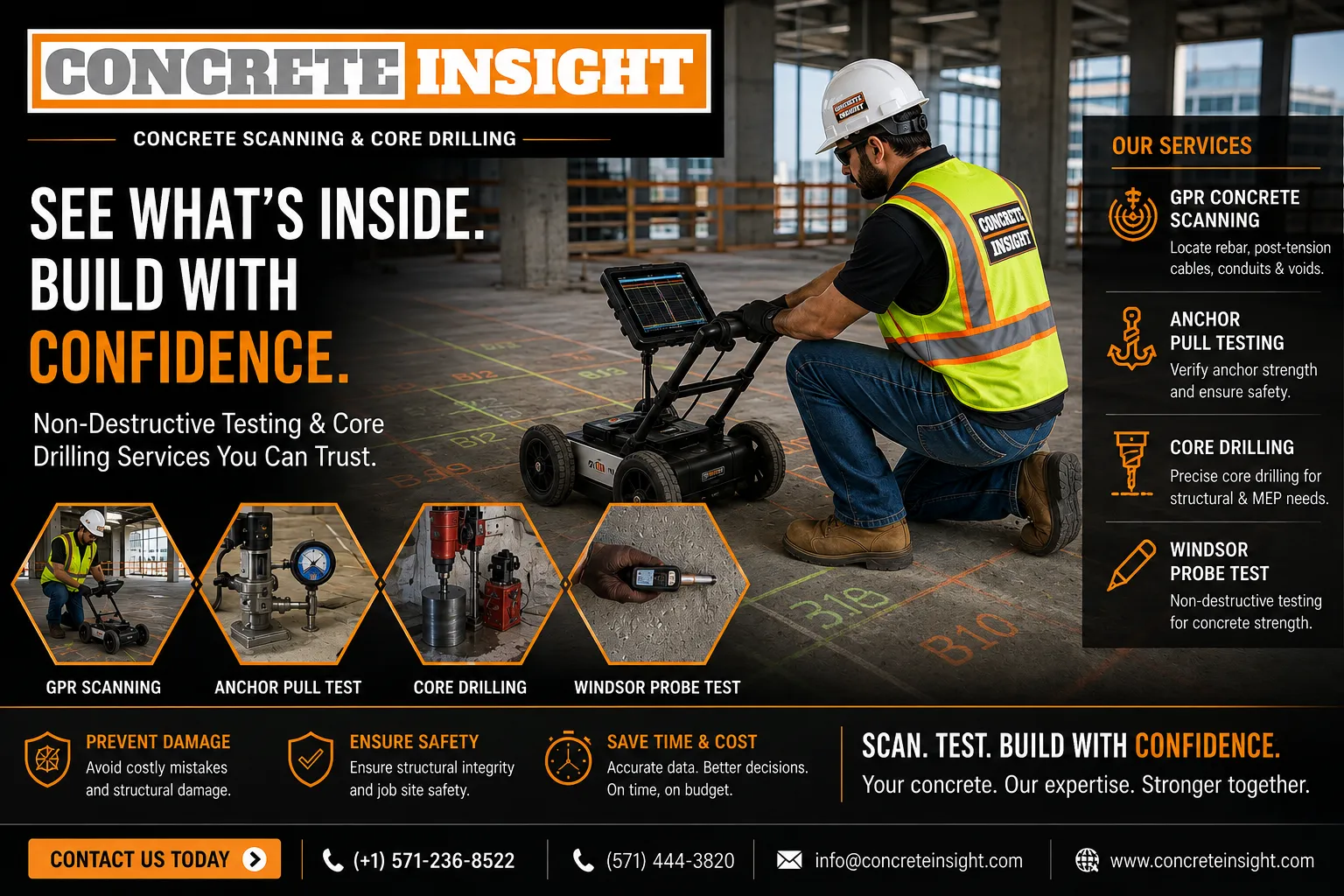
Concrete scanning GPR is a non-destructive testing method used to detect objects and anomalies within concrete structures. By using high-frequency radar pulses, GPR systems can visualize embedded elements such as steel reinforcement bars, post-tension cables, conduits, and voids. Unlike traditional methods that may require drilling or coring, GPR provides a safe and efficient way to map the internal layout of concrete without causing damage.
This technology is particularly valuable in complex construction projects where precision is critical. For example, before drilling or cutting into a slab, it is essential to identify the location of rebar and post-tension cables to avoid compromising structural integrity. GPR ensures that contractors have accurate information to make informed decisions.
Concrete Coring Services and GPR
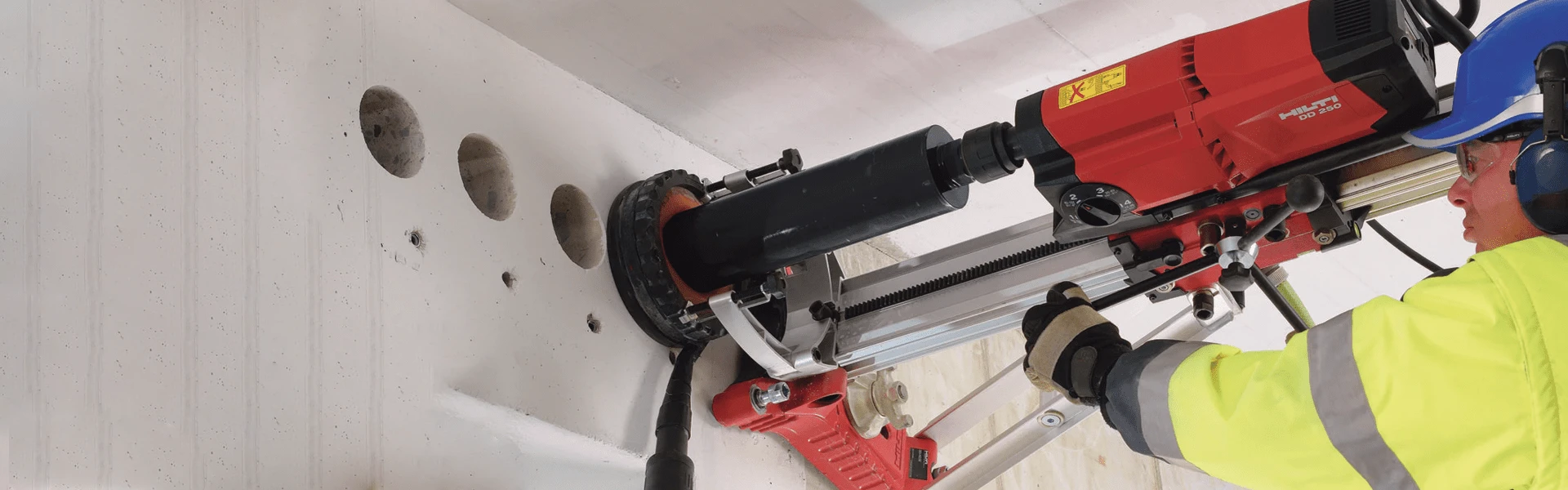
Concrete scanning GPR is often paired with concrete coring services. Concrete coring involves drilling precise, cylindrical holes in concrete to install utilities, conduct tests, or extract samples. Without prior scanning, coring can be risky, as hitting a rebar or post-tension cable can damage tools, delay projects, or compromise safety.
By performing a GPR scan before coring, contractors can map out safe drilling locations, ensuring the process is efficient and accurate. This combination of services enhances overall project quality and reduces liability.
Pull Out Test: Ensuring Structural Strength
Another critical aspect of concrete evaluation is the pull out test, which measures the tensile strength of concrete by pulling out an embedded metal insert. This test helps determine whether the concrete can withstand the expected load and is often required in quality control for new constructions or renovations.
Concrete scanning GPR complements the pull out test by locating areas that are free from reinforcements, voids, or post-tension cables, ensuring that the test results are accurate and reliable. Together, these methods provide a comprehensive understanding of concrete strength and structure.
Choosing the Right Service Provider
When selecting a service provider for concrete scanning GPR, concrete coring services, or pull out tests, it is essential to consider experience, equipment quality, and accuracy. Advanced GPR systems offer high-resolution scans that can distinguish between different types of reinforcement and detect even subtle anomalies. Certified technicians can interpret the data to provide actionable insights for safe and efficient project execution.
Final Thoughts
In modern construction and engineering, precision, safety, and reliability are non-negotiable. Concrete scanning GPR, paired with concrete coring services and pull out tests, equips professionals with the tools they need to make informed decisions, protect workers, and ensure the structural integrity of their projects. By investing in these advanced technologies, stakeholders can minimize risks, reduce costs, and achieve superior results on every project.
Whether it’s avoiding accidental rebar cuts, planning accurate drilling, or testing concrete strength, integrating concrete scanning GPR into your workflow is a proactive step toward safer, smarter, and more efficient construction practices.
























Sign in to leave a comment.