




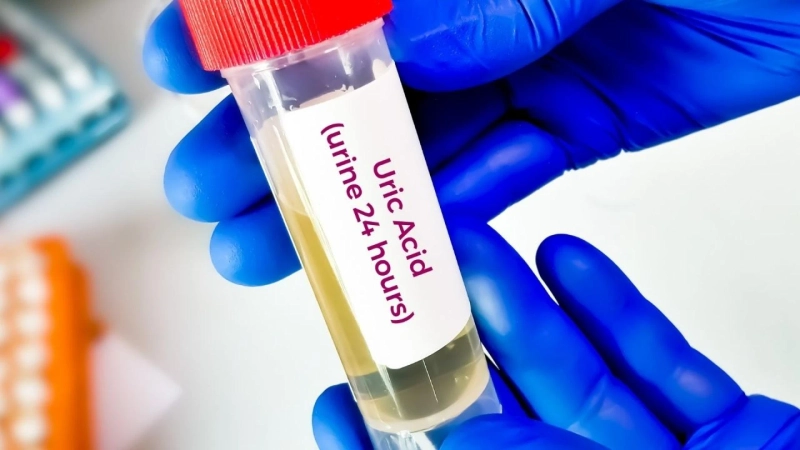
Uric Acid: A Complete Guide to Normal Ranges and Health
Maintaining optimal health often feels like a balancing act. One of the most critical, yet frequently overlooked, chemical balances in our system is the level of Uric Acid In Body. While it is a natural byproduct of our metabolism, straying too far from the "normal range" can lead to significant health challenges, from painful joint issues to kidney complications.
This article provides an in-depth, evidence-based look at what constitutes a healthy uric acid level, why these numbers matter, and how you can manage them naturally.
What is Uric Acid?
Uric acid is a waste product found in the blood. It is created when the body breaks down chemicals called purines. Purines are produced naturally in the body but are also found in high concentrations in certain foods and beverages, such as red meat, organ meats, seafood, and alcohol (especially beer).
Most uric acid dissolves in the blood, travels to the kidneys, and leaves the body through urine.5 However, if the body produces too much uric acid or the kidneys don’t remove enough of it, levels can rise—a condition known as hyperuricemia.
Uric Acid Normal Range: The Numbers You Need to Know
Uric acid levels are measured through a simple blood test (serum uric acid test). Because men and women have different hormonal profiles and muscle masses, the "normal" benchmarks differ slightly by biological sex.
Standard Reference Ranges
While specific laboratory benchmarks may vary slightly, the generally accepted ranges are:
| Category | Normal Range (mg/dL) |
| Adult Men | 3.4 – 7.0 mg/dL |
| Adult Women | 2.4 – 6.0 mg/dL |
| Children | 2.0 – 5.5 mg/dL |
Why the Difference Between Men and Women?
Estrogen plays a protective role in women by helping the kidneys excrete uric acid more efficiently. This is why women typically have lower levels than men until they reach menopause, at which point their levels often rise to match those of men.
High Uric Acid (Hyperuricemia)
When your levels exceed 7.0 mg/dL, the blood becomes supersaturated. At this point, uric acid can no longer stay dissolved and begins to form sharp, needle-like monosodium urate crystals.
Consequences of High Levels:
- Gout: These crystals often settle in the joints—most commonly the big toe—causing intense pain, swelling, and redness.
- Kidney Stones: Crystals can deposit in the urinary tract, leading to painful stones.
- Kidney Disease: Chronic high levels can damage the kidneys' filtering ability over time.
- Metabolic Syndrome: Recent research suggests a link between high uric acid and hypertension, diabetes, and heart disease.
Low Uric Acid (Hypouricemia)
While less common than high levels, low uric acid (typically below 2.0 mg/dL) can also occur. This is often caused by:
- Genetics or underlying medical conditions (like Fanconi syndrome).
- A diet extremely low in purines.
- Certain medications or lead poisoning.
Interestingly, uric acid acts as a minor antioxidant in the blood. Extremely low levels have been studied for potential links to neurodegenerative diseases, though more research is needed in this area.
Factors That Influence Your Levels
Understanding what shifts the balance of Uric Acid In Body is the first step toward management. Several lifestyle and biological factors play a role:
- Diet: High-purine foods (red meat, shellfish, fructose-heavy sodas) are the primary culprits.
- Hydration: Dehydration makes uric acid more concentrated in the blood.
- Weight: Being overweight makes the body produce more uric acid and makes it harder for the kidneys to eliminate it.
- Medications: Diuretics (water pills) and low-dose aspirin can sometimes elevate levels.
- Genetics: Some people are simply predisposed to producing more uric acid or excreting less of it.
How to Maintain a Healthy Normal Range
If your lab results show you are hovering at the high end of the spectrum, you can take proactive steps to bring those numbers down naturally.
1. Watch the Purines
Limit "trigger foods" that spike your levels. Focus on a diet rich in vegetables, low-fat dairy, and complex carbohydrates.
2. Hydration is Key
Drinking plenty of water helps the kidneys flush out uric acid. Aim for 8–10 glasses a day, especially if you are physically active.
3. Incorporate Vitamin C
Some studies suggest that Vitamin C may help the kidneys excrete more uric acid. Always consult a doctor before starting new supplements.
4. Coffee and Cherries
Both black coffee and tart cherries (or tart cherry juice) have shown promise in clinical studies for lowering uric acid levels and preventing gout flares.
5. Weight Management
Losing weight can significantly lower uric acid levels. However, avoid "crash diets," as rapid weight loss can actually cause a temporary spike in uric acid levels due to muscle breakdown.
When Should You See a Doctor?
A high uric acid reading on a blood test doesn't always mean you need medication. Many people have "asymptomatic hyperuricemia," where levels are high but no symptoms are present.
However, you should seek medical advice if:
- You experience sudden, intense joint pain.
- You have a history of kidney stones.
- You are starting a new medication that might affect kidney function.
- Your levels remain consistently above 7.0 mg/dL despite lifestyle changes.
Expert Note: Managing uric acid is a long-term commitment. Consistency in diet and hydration is more effective than short-term "detoxes."
Summary Table: Uric Acid At a Glance
| Status | Range (mg/dL) | Common Symptoms | Recommended Action |
| Low | < 2.0 | Often none; fatigue. | Consult doctor for underlying causes. |
| Normal | 2.4 – 7.0 | None (Healthy state). | Maintain balanced diet and hydration. |
| High | > 7.0 | Joint pain, swelling, kidney stones. | Low-purine diet, hydration, medical consult. |
Conclusion
Monitoring the Uric Acid In Body is a vital component of preventative healthcare. By staying within the normal range of 2.4 to 7.0 mg/dL, you protect your joints, your kidneys, and your overall metabolic health. Small, sustainable changes—like swapping a steak for a plant-based meal or choosing water over soda—can make a profound difference in your long-term well-being.
Would you like me to create a personalized low-purine meal plan or a list of high-purine foods to avoid?