




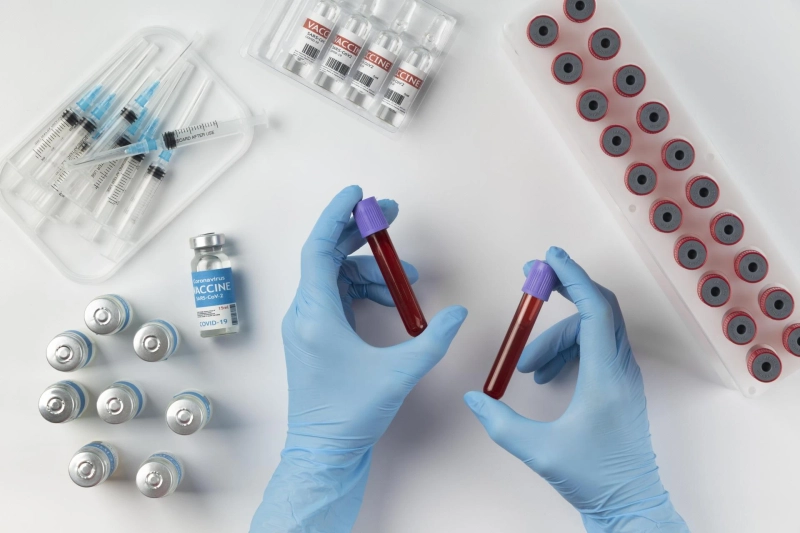
Shorter days often bring a dip in energy. Less sunlight, more indoor time, and routine changes through monsoon or winter can all influence vitamin D status, which may reflect on overall vitality. A well-read report offers clarity when tiredness lingers.
This article explains how vitamin D blood tests relate to seasonal tiredness, what the 25-hydroxyvitamin D test measures, and how to read a lab report carefully.
Understanding Seasonal Fatigue
Seasonal routines affect sun exposure, clothing coverage, and time spent outdoors. In such phases, a vitamin D test can help assess current status so that discussions with a clinician are based on objective values rather than guesses.
What Your Report Shows
Most laboratories use the 25-hydroxyvitamin D test to indicate circulating levels. The report usually lists a value with units and a reference band. Interpreting the figure in light of lifestyle, geography, and skin coverage patterns offers a fuller picture than symptoms alone.
Reading Results Carefully
Use the lab printout as a guide, then consider the context using the points below.
- Check the stated reference interval on the same page as the result, since ranges may differ between laboratories.
- Note recent sun exposure, seasonal shifts, dietary changes, and travel that may affect the reading.
- Review any lab comments on specimen quality or retest suggestions.
- Discuss the figure with a qualified doctor who can relate it to history and other investigations.
A repeat vitamin D test may be considered when lifestyle or sun exposure changes, or when earlier results suggest monitoring over time. Trends usually inform decisions better than isolated values.
Practical Steps That Reduce Hassle
Scheduling should be uncomplicated during busy seasons. Those who want a clear slot may prefer to book 25-hydroxyvitamin D test through a trusted centre that provides transparent reports and reliable sample handling. Digital convenience helps when travel is difficult. Many users simply book vitamin D test online and choose a suitable collection window that fits their routine.
By paying attention to reference ranges, timing of the sample, and season-to-season habits, readers can use the report to frame better questions and seek personalised guidance. Clear information, read calmly and in context, turns seasonal fatigue from a vague concern into a manageable conversation grounded in measured data.
Interpreting Through the Seasons
The 25-hydroxyvitamin D test result should be viewed alongside lifestyle patterns throughout the year. Indoor work, cloudy spells, and clothing coverage can all shift exposure. Where tiredness persists, the figure on the report becomes one piece of a wider discussion with a healthcare professional, not a standalone diagnosis or treatment plan.
Choosing a provider is not only about comparing logistics. Sample integrity, accreditation, and readable reports all support an informed conversation with a clinician. The same marker may appear with slightly different wording or units, so read the line item carefully before concluding. Vitamin D test price is often one of several factors people weigh alongside proximity, reporting clarity, and turnaround time.
Conclusion
Seasonal tiredness is common. A vitamin D report, especially the 25-hydroxyvitamin D value, offers context rather than certainty. Consider timing, lifestyle, and reference ranges, then consult a clinician. Clear information supports decisions and steadier energy as daily routines shift.