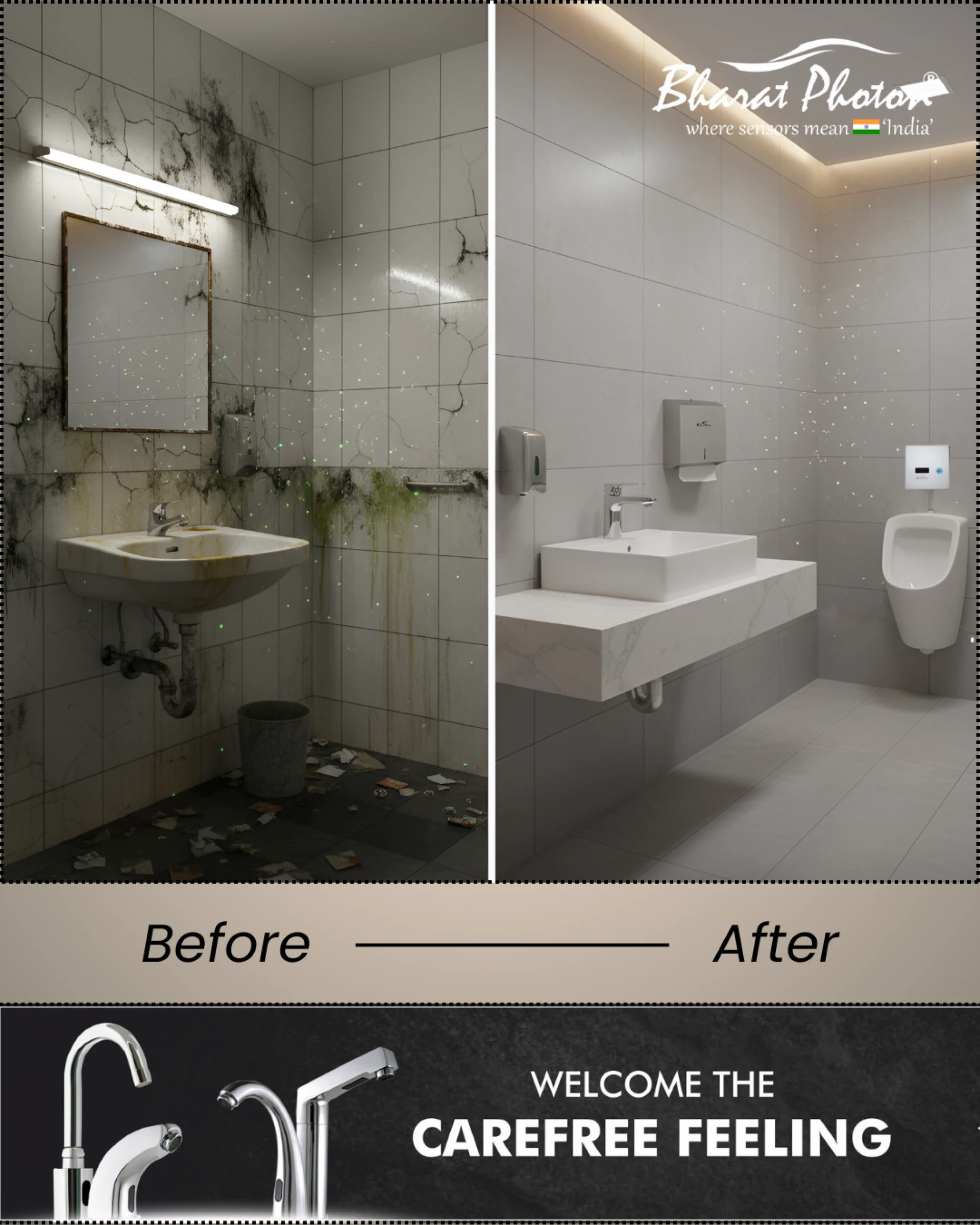
In recent years, washroom hygiene has moved from being a background concern to a public priority. From offices and malls to hospitals and airports, people are paying closer attention to how clean, safe, and efficient washrooms really are. At the center of this shift is one simple but powerful technology Sensor Tap.
These sensor-based solutions are not just about convenience. They are quietly transforming the way we use water, reducing wastage, and improving hygiene standards without demanding any extra effort from users.
The Rise of Touchless Washrooms
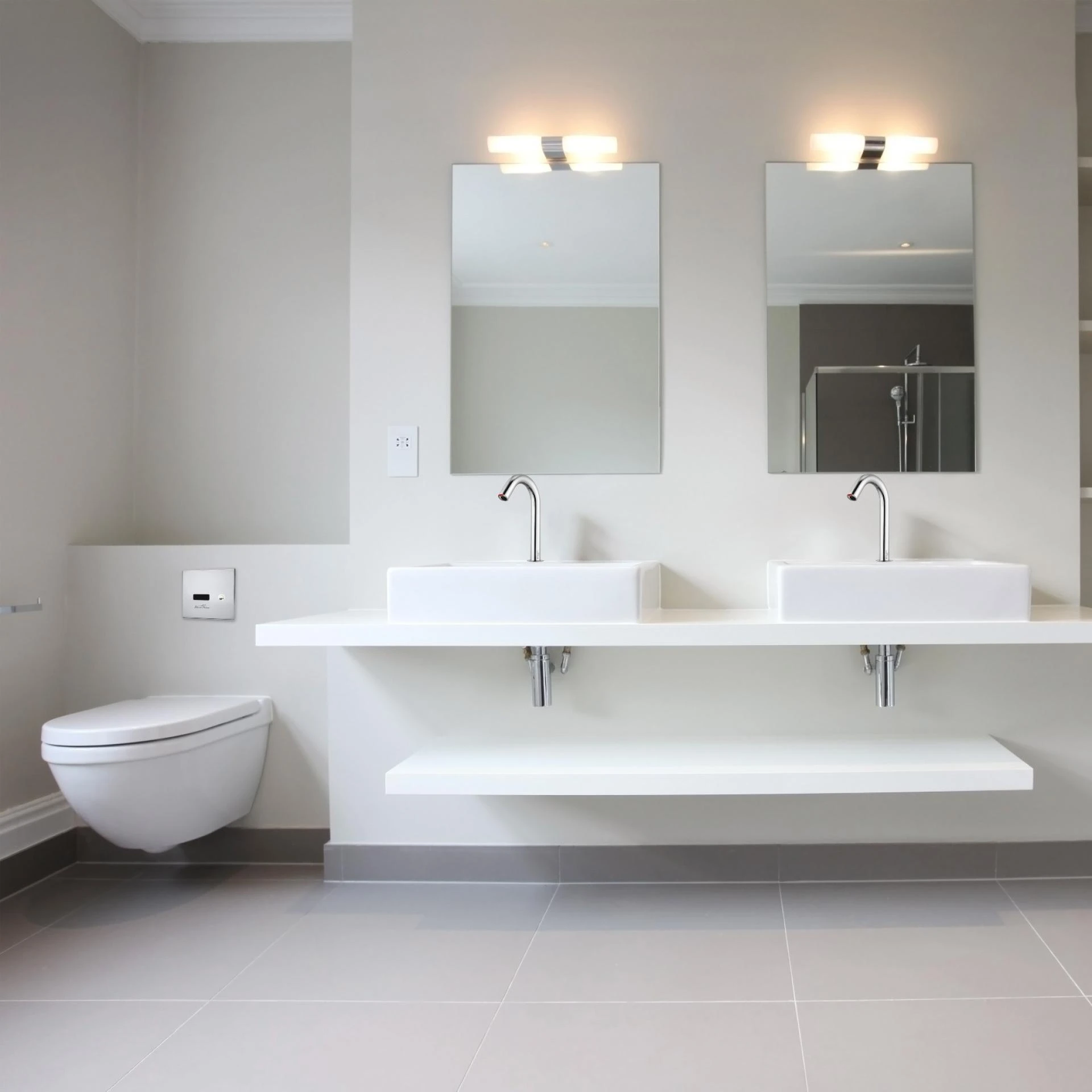
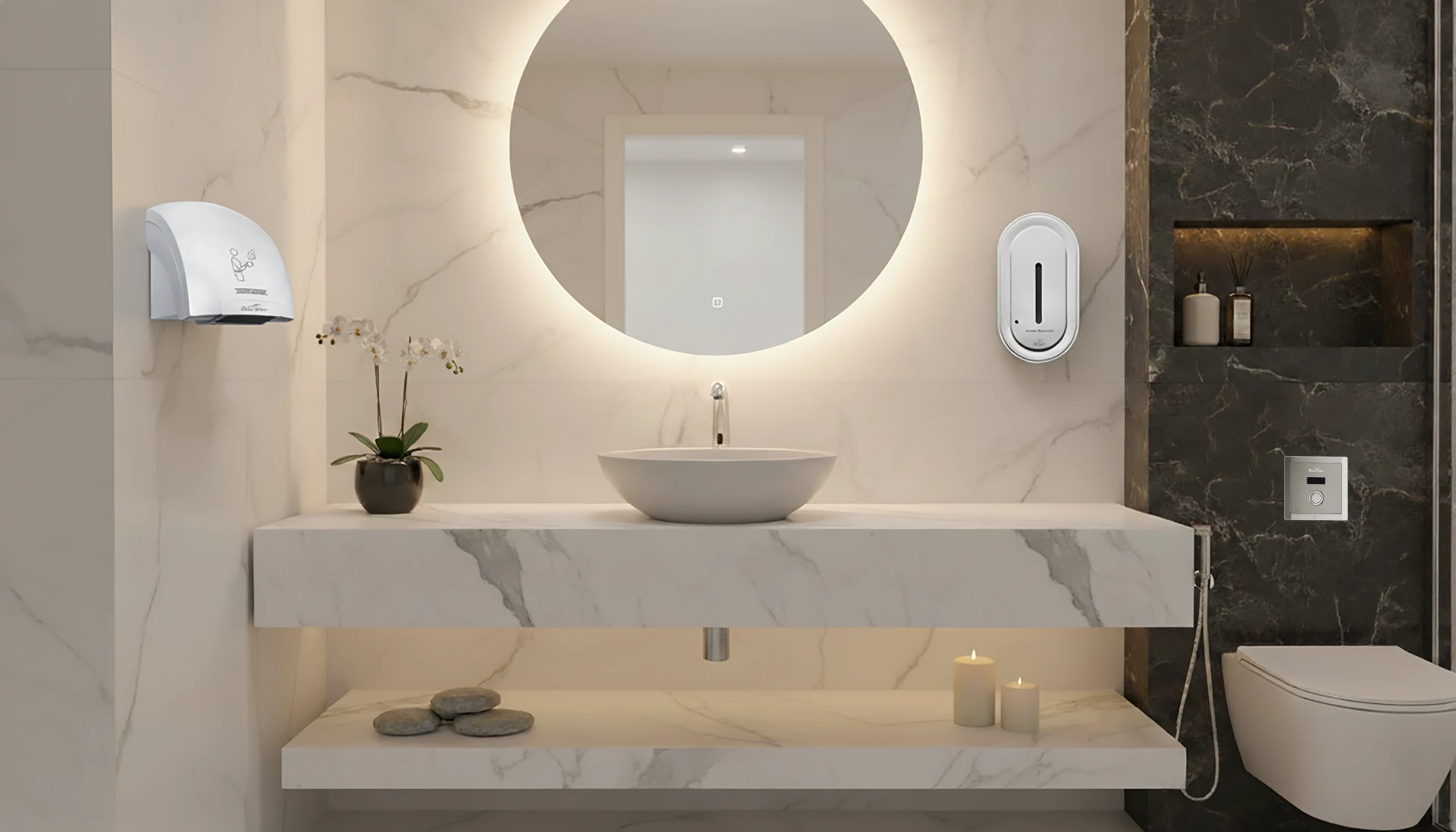
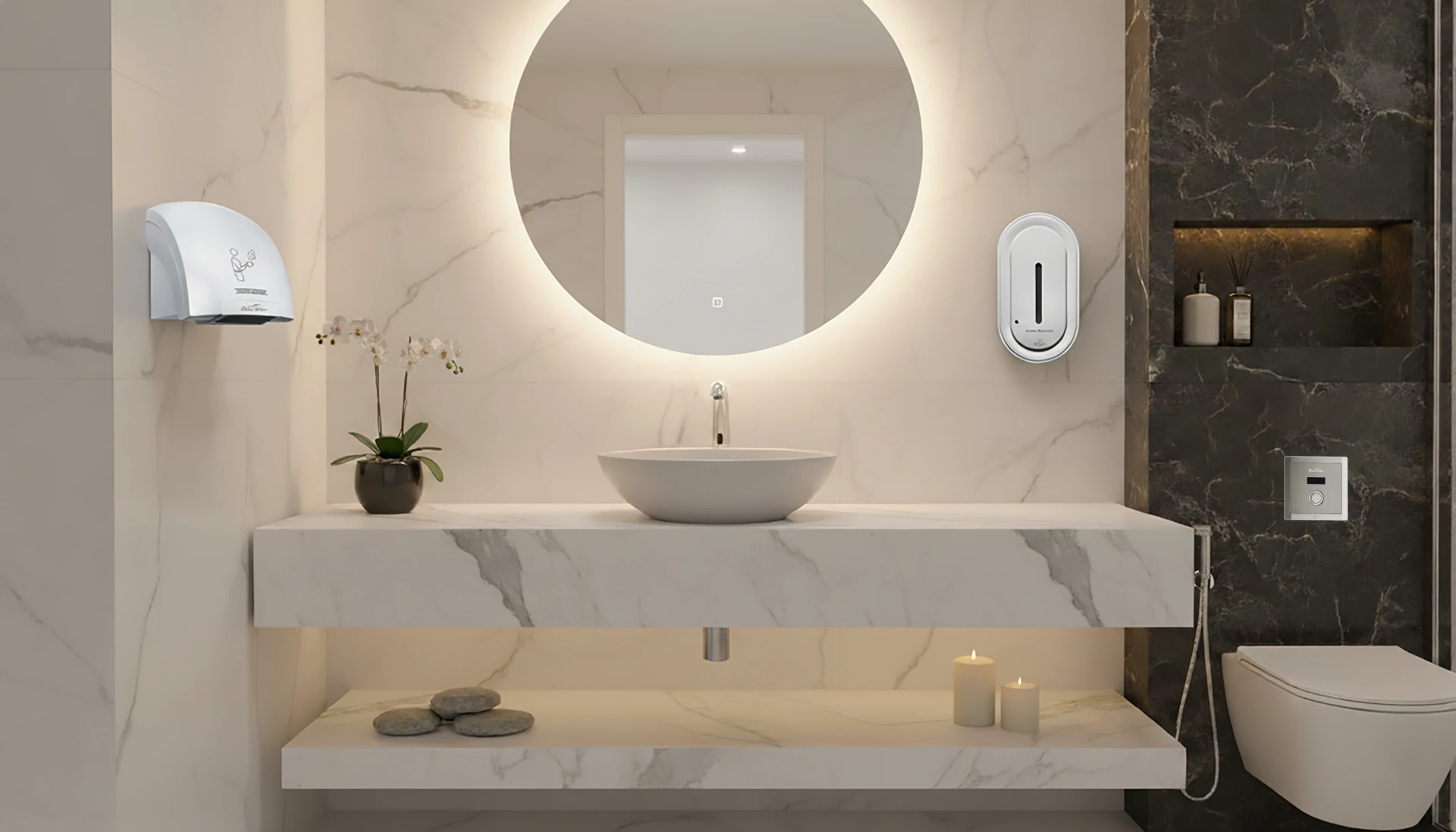
Touchless technology has become a defining feature of modern washrooms. Sensor taps, automatic flush systems, soap dispensers, and hand dryers now respond instantly to human presence. The goal is clear: minimize physical contact and reduce the spread of germs.
From my own experience working closely with washroom automation products, I’ve seen how quickly people adapt to sensor-based systems. Users may hesitate at first, but once they realize the tap shuts off automatically or the urinal flushes only when needed, it becomes second nature. In fact, many people feel uncomfortable going back to manual systems after using sensor-enabled washrooms.
Hygiene That Works in the Background
One of the biggest advantages of washroom hygiene sensors is that they work silently in the background. Unlike traditional taps or flush valves, sensors don’t rely on human judgment there’s no forgetting to turn off the tap or holding the flush longer than necessary.
Infrared Sensor detect usage accurately and activate water flow only when required. This reduces surface contact, which is a major source of bacteria and virus transmission. In high-traffic areas like public restrooms, this single change can make a noticeable difference in cleanliness and user confidence.
Saving Water Without Compromise
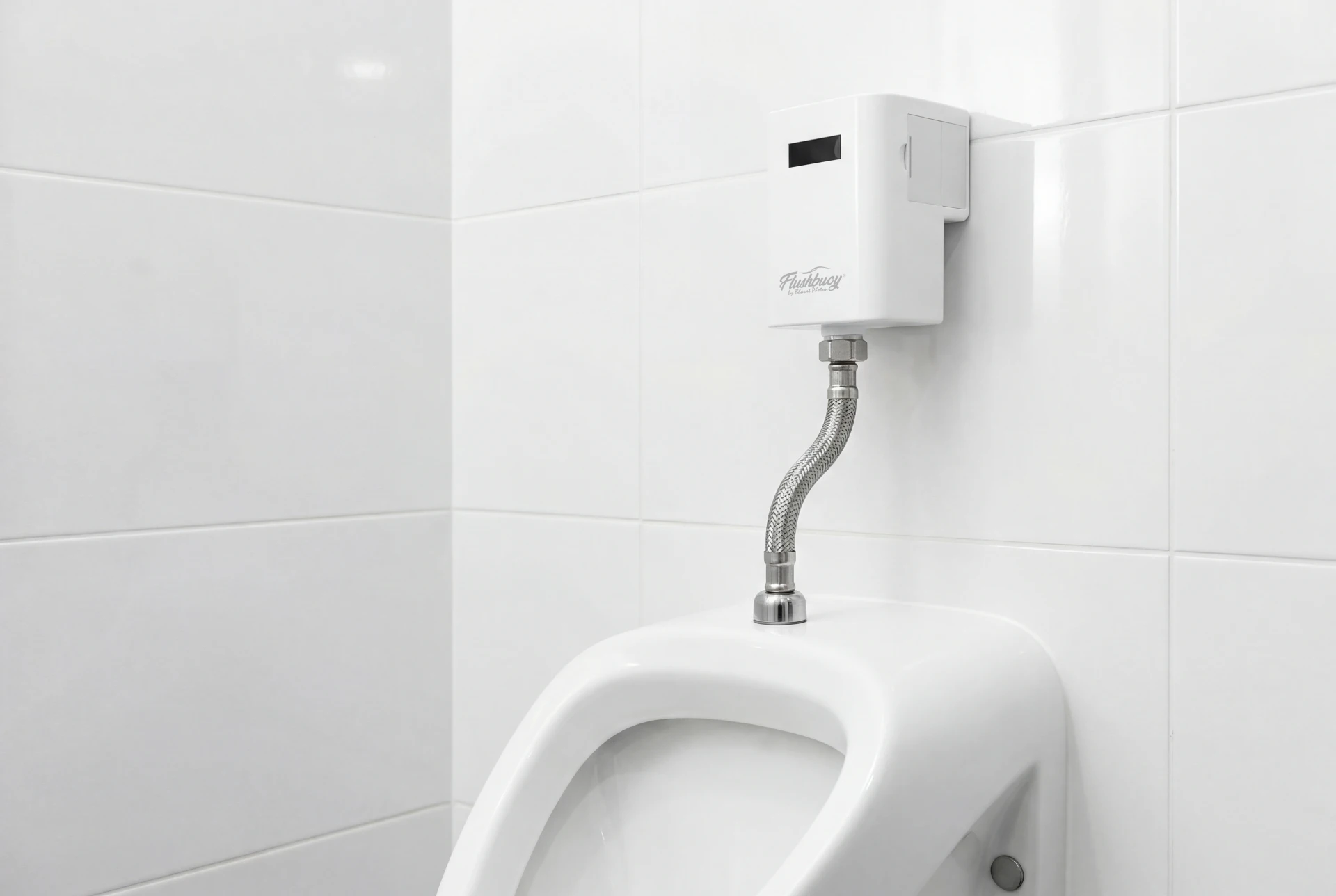
Water conservation is no longer optional it’s essential. Sensor-based washroom systems play a critical role in reducing unnecessary water usage. Automatic taps release water only when hands are placed under them and stop immediately when hands are removed. Similarly, Urinal sensor flush systems use optimized water volumes instead of excessive flushing.
During site visits and installations, I’ve personally observed how water consumption drops after switching to sensor systems. Facility managers often report reduced water bills within a few months. What’s important here is that water saving doesn’t come at the cost of hygiene or user comfort it actually enhances both.
Smart Technology for Modern Infrastructure
Washroom hygiene sensors are especially valuable in commercial and institutional settings. Hospitals benefit from improved infection control, offices enjoy lower maintenance costs, and public facilities gain better user satisfaction.
Many modern sensor systems are also designed to work under varying water pressure and power conditions, making them suitable for diverse environments. Some even offer dual power options, ensuring reliability in areas with unstable electricity.
A Shift in User Mindset
Beyond technology, there’s a noticeable shift in how people think about hygiene. Users today expect washrooms to be smart, clean, and responsible with resources. Sensor-based solutions align perfectly with this mindset.
From my perspective, the real success of washroom hygiene sensors lies in how effortlessly they blend into daily life. People don’t have to change their behaviour the technology adapts to them. That’s what makes it effective.
Looking Ahead
As urban spaces grow and water resources become more limited, the demand for efficient washroom solutions will only increase. Hygiene sensors are no longer a luxury feature; they are becoming a standard requirement for sustainable infrastructure.
By improving cleanliness, reducing water wastage, Urinal Pot and offering a better user experience, washroom hygiene sensors represent a smart investment in both public health and environmental responsibility.
In the long run, the simple act of using a sensor-enabled tap or flush system contributes to a much larger goal: cleaner washrooms, healthier users, and meaningful water savings one use at a time.

















Sign in to leave a comment.