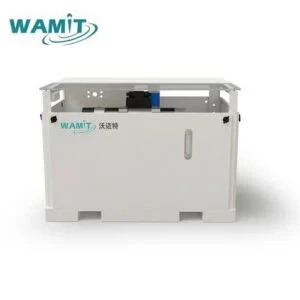

Waterjet cutting is a way to cut metal, stone, and other materials very accurately. The pump is the key part because it decides how fast and clean the cutting is.
Choosing the right pump matters. The right one can save money and make work easier. Here, we will compare Intensifier Pumps and Direct Drive Pumps, how they work, the pressure they can reach, and their cost.
Understanding Waterjet Pumps
What is an Intensifier Pump?
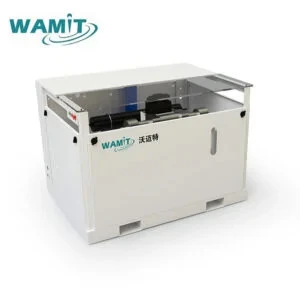
Intensifier Pumps use a hydraulic system to push water to very high pressure, often over 60,000 psi.
How it works: Hydraulic power forces water into a piston that in turn fires the water at high pressure into the cutting part.
Where it’s used: It is very useful when cutting hard metals, stone and other hard materials in precise and strong cuts.
What is a Direct Drive Pump?
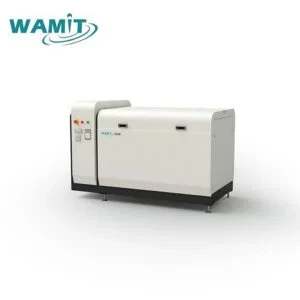
Direct Drive Pumps are an electric motor that drives the water through high pressure without a hydraulic system.
How it works: The motor simply moves the pump to generate a continuous stream of high pressure water.
Where it’s used: It is good in cutting thinner metals or materials, and in the job where quick and easy maintenance is required of the pump used.
Performance Comparison
Intensifier pumps are made for tough work. They can create very high pressure, which helps cut thick metal and stone. Cutting is very accurate, but a little slower. These pumps are strong and work well for heavy, long-hour jobs.
Direct drive pumps are better for lighter work. They use lower pressure but push water in a steady flow, which helps cut faster on thin materials. These pumps are reliable for everyday cutting and are easier to run.
Key takeaway: Intensifier pumps are suited in hard and heavy-duty tasks. Direct drive pumps are quicker and more appropriate in everyday lighter cutting.
Pressure Characteristics
Intensifier Pump: Water pressure stays steady, making smooth and accurate cuts.
Direct Drive Pump: Pressure is mostly steady, but cuts may be a little rough on thick materials.
Cost Analysis
When it comes to cost, intensifier pumps are more expensive to buy at the start. They also cost more to run because they need hydraulic oil and regular servicing. However, for heavy and continuous work, they can be worth the money over time.
Direct drive pumps cost less to buy and are cheaper to run. They need less maintenance because they have fewer complex parts. This makes them a good and cost-effective choice for medium or everyday production work.
Direct drive pumps are cheaper to buy, but intensifier pumps can save money in the long run for tough, busy jobs.
Maintenance & Operational Considerations
- Intensifier Pump: It is one that needs the replacement of hydraulic oil, seals, and regular checking of pistons.
- Direct Drive Pump: Lower maintenance requirements and less technical skills are required.
Downtime for maintenance can affect production; intensifier pumps require slightly longer service windows.
How to Choose the Right Pump for Your Application
When selecting a pump, consider:
- Cutting requirements: Type of material, thickness, and accuracy.
- Budget constraints: First price vs ROI in the long run.
- Production volume: Intensifier pumps are used in high volume operations, and direct drive may be used in a medium volume arrangement.
Industry-specific recommendations:
- Metal fabrication: Thick steel, direct drive: aluminium, or thin metals.
- Stone cutting: Accuracy and longevity of the intensive pumps.
- Composite materials: Both types based on the hardness and thickness of the material.
Conclusion
The selection of a waterjet pump will be based on the strength of water required, the speed in which you would like to cut, and your financial capacity. Good Intensifier pumps are suited to hard jobs that require high pressure and clean cuts that are very precise. Direct drive pumps, on the other hand, are more cost-effective, quicker cutting, and are more suitable for lighter jobs.
Waterjet Wamit suggests that it is better to consider your production requirements and long-term prices and decide the appropriate pump. This assists in being able to attain optimal performance and value of your operation.






















Sign in to leave a comment.