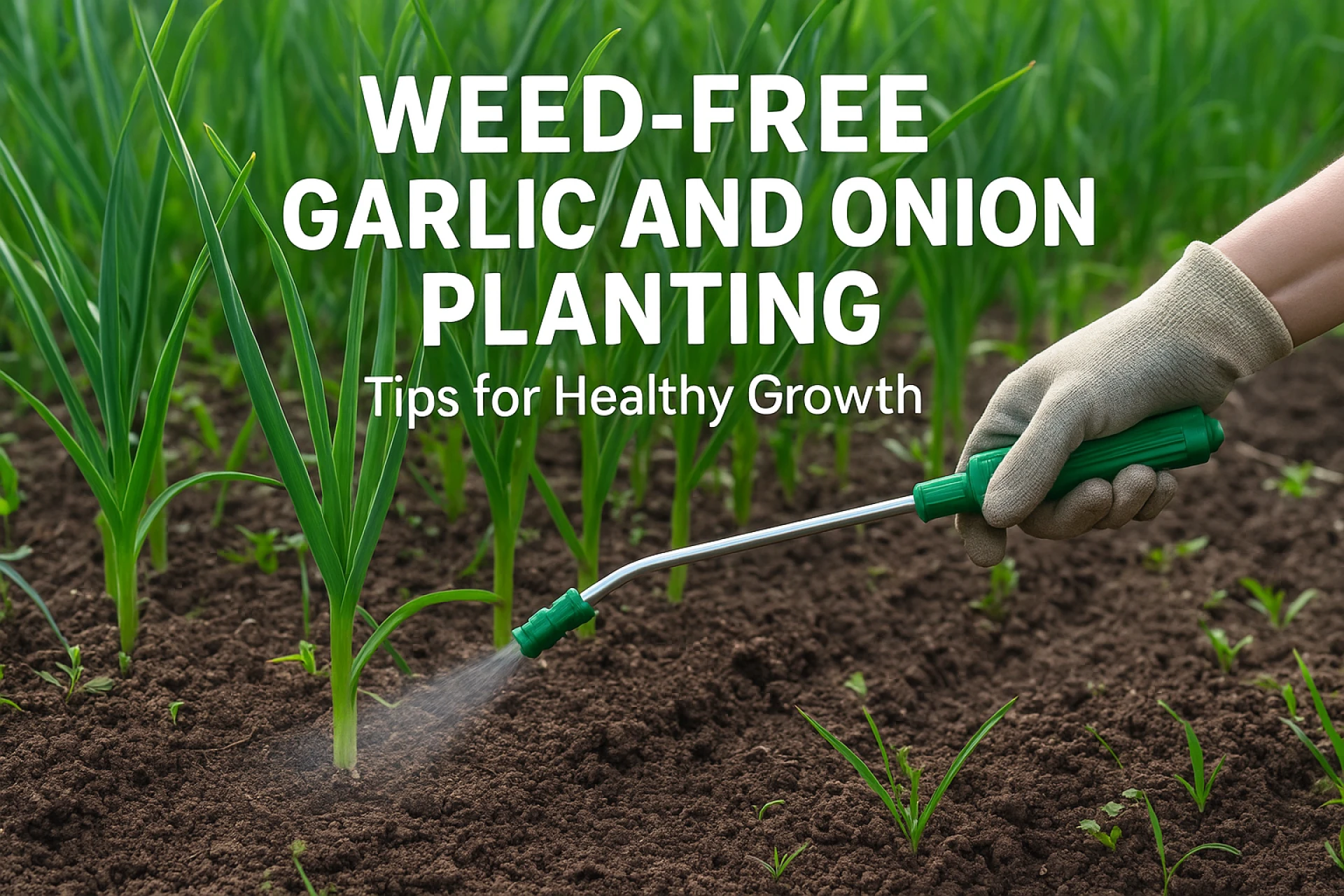

Garlic and onions are essential staples in kitchens worldwide, cherished for their flavor and health benefits. But for farmers and gardeners alike, ensuring a healthy, high-yield crop requires more than just planting and watering. One of the most critical challenges in growing these crops is weed management. Weeds compete for nutrients, sunlight, and water, and can significantly reduce the growth and quality of garlic and onions.
Compiling pre-emergent weed killer strategies is key to maintaining a thriving, weed-free crop. This blog explores effective techniques, the role of pre-emergent herbicides, and best practices to protect your garlic and onion fields.
Understanding the Weed Problem in Garlic and Onion Fields
Weeds pose a severe threat to garlic and onion crops. Broadleaf weeds, grasses, and other unwanted plants quickly overtake gardens if not managed properly. These weeds compete with crops for essential nutrients such as nitrogen, phosphorus, and potassium. They also reduce air circulation, increase the risk of diseases, and make harvesting more difficult.
Early weed management is critical, as once weeds establish themselves, they are much harder to remove. Traditional mechanical methods like hoeing can work, but they are labor-intensive and sometimes damage the crops. This is where pre-emergent herbicides come into play.
What Are Pre-Emergent Herbicides?
Pre-emergent herbicides are a class of weed killers designed to prevent weed seeds from germinating. Unlike post-emergent herbicides, which target weeds after they have grown, pre-emergent solutions act before the weed sprouts, creating a protective barrier in the soil.
For garlic and onions, pre-emergent herbicides are particularly effective because these crops have relatively slow initial growth. By using a broadleaf pre-emergent, farmers can target a wide range of weeds without harming the crops. This method ensures the young plants have access to soil nutrients and water, promoting stronger root development and healthier growth.
Choosing the Best Pre-Emergent Herbicide
Selecting the right herbicide depends on the type of weeds present, soil conditions, and crop sensitivity. Some important factors to consider include:
- Target Weed Types – Identify whether your field is primarily affected by grasses, broadleaf weeds, or both. Using a broadleaf pre-emergent can address multiple weed types simultaneously.
- Soil Compatibility – Ensure the herbicide is suitable for your soil type. Certain products work better in sandy soils, while others are formulated for clay or loamy soils.
- Crop Safety – Garlic and onions can be sensitive to some chemical herbicides. Look for products labeled safe for these crops to avoid stunted growth or leaf burn.
- Application Timing – Pre-emergent herbicides are most effective when applied before weed seeds germinate. For garlic and onions, this usually means applying the herbicide shortly after planting but before the first true leaves emerge.
By considering these factors, you can choose the best herbicide for weeds that balances effectiveness and crop safety.
Step-by-Step Guide to Weed-Free Garlic and Onion Planting
Here’s a practical approach to maintaining a weed-free garlic and onion crop using pre-emergent strategies:
1. Prepare the Soil
Proper soil preparation is crucial. Remove existing weeds, debris, and clumps. Till the soil to create a smooth bed for planting. Healthy soil with good drainage ensures that the herbicide spreads evenly and prevents waterlogging, which can affect garlic and onion bulbs.
2. Apply Pre-Emergent Herbicide
After soil preparation and before sowing, apply a pre-emergent herbicide according to the manufacturer’s instructions. Make sure the herbicide is evenly distributed to create an effective barrier against weed germination. Using a broadleaf pre-emergent can target multiple weed types, reducing the need for additional applications later.
3. Plant Garlic and Onion Carefully
Once the herbicide is applied, plant your garlic cloves or onion sets. Space them adequately to ensure proper airflow, sunlight exposure, and nutrient availability. Avoid disturbing the herbicide layer to maintain its effectiveness.
4. Mulch for Added Protection
Adding a layer of organic mulch, such as straw or shredded leaves, can enhance weed suppression. Mulch reduces sunlight exposure to weed seeds and helps retain soil moisture, supporting healthy root development for garlic and onion plants.
5. Monitor and Maintain
Even with pre-emergent herbicides, it’s essential to monitor your field regularly. Hand-pull any weeds that manage to grow and ensure the crops receive adequate water and nutrients. Avoid over-fertilizing, as excessive nitrogen can encourage weed growth.
Benefits of Using Pre-Emergent Weed Killers
Implementing a pre-emergent strategy offers numerous advantages:
- Consistent Crop Growth: Garlic and onions can grow without competition from weeds, leading to healthier plants.
- Higher Yields: Reducing weed interference ensures the crop can fully utilize available nutrients, water, and sunlight.
- Reduced Labor Costs: Fewer manual weeding sessions save time and labor, making farming more efficient.
- Long-Term Soil Health: Modern pre-emergent herbicides are designed to target weeds without harming beneficial soil organisms.
Broadleaf Pre-Emergent for Garlic and Onion
Broadleaf weeds such as chickweed, lambsquarters, and dandelions are particularly problematic in garlic and onion fields. Using a broadleaf pre-emergent helps prevent these weeds from sprouting, maintaining a clean, nutrient-rich environment for your crops. These herbicides are formulated to suppress multiple weed species simultaneously, offering a long-lasting solution for vegetable gardens and small farms.
Tips for Safe and Effective Herbicide Use
To maximize the benefits of weed killer pre-emergent, follow these best practices:
- Read the Label Carefully – Follow all safety instructions, including application rates and protective gear.
- Watering – Some pre-emergent herbicides require light irrigation to activate in the soil. Check product instructions.
- Avoid Disturbing Soil – Excessive tilling after herbicide application can reduce effectiveness.
- Rotate Crops – Rotate garlic and onions with other vegetables to reduce weed resistance over time.
- Combine with Organic Practices – Mulching and cover crops can enhance weed suppression naturally, reducing dependency on chemicals.
Final Thoughts
A weed-free garlic and onion crop is achievable with careful planning and strategic use of pre-emergent herbicides. By choosing the best herbicide for weeds, targeting broadleaf species, and following proper application techniques, farmers and gardeners can enjoy healthier plants, higher yields, and reduced labor costs.
Combining chemical pre-emergent strategies with organic practices like mulching ensures long-term soil health and sustainability. By prioritizing early weed control, you set the stage for thriving garlic and onion crops that deliver quality harvests season after season.
Invest in a pre-emergent herbicide program today and watch your garlic and onion fields flourish, free from weeds and full of vitality.
FAQs
1. What is a pre-emergent herbicide?
A pre-emergent herbicide prevents weed seeds from germinating, protecting crops like garlic and onions early in growth.
2. Why use a pre-emergent herbicide for garlic and onions?
It prevents weeds from competing for nutrients, water, and sunlight, ensuring healthier, higher-yield crops.
3. When should I apply a pre-emergent herbicide?
Apply after soil preparation but before garlic or onion seedlings emerge for best results.
4. Can pre-emergent herbicides harm garlic or onions?
No, if you choose crop-safe products and follow the label instructions carefully.
5. What is a broadleaf pre-emergent?
It targets broadleaf weeds like chickweed, dandelion, and lambsquarters without affecting vegetable crops.
6. How often should I apply pre-emergent weed killers?
Typically, once per season is enough, but follow product guidelines depending on weed pressure.
7. Can I combine pre-emergent herbicides with organic practices?
Yes, mulching and cover crops enhance weed control naturally and improve soil health.
8. Do pre-emergent herbicides affect soil health?
Modern formulations are designed to minimize harm to beneficial soil organisms while controlling weeds.
9. What is the best herbicide for weeds in onion and garlic fields?
A crop-safe, broad-spectrum pre-emergent herbicide suited to your soil type and weed profile works best.
10. Can I hand-weed after applying a pre-emergent?
Yes, light hand weeding is safe, but avoid disturbing the herbicide barrier for maximum effect.





























Sign in to leave a comment.