




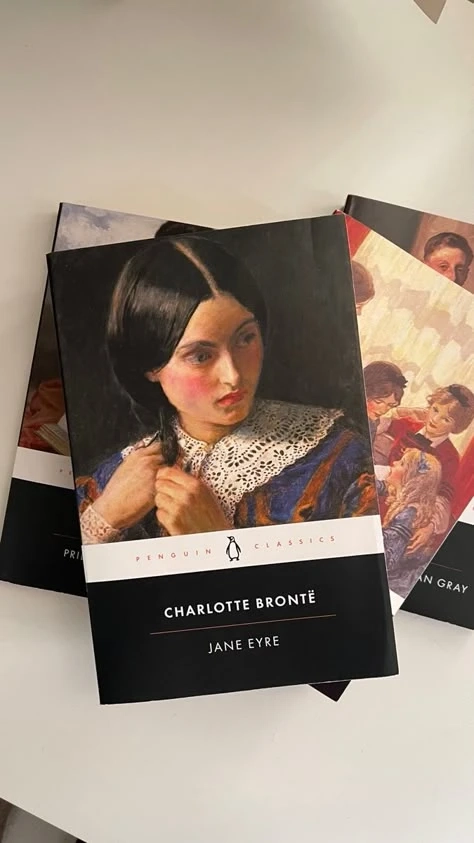
Book covers are often the first point of contact between a reader and a book. They are not just decorative elements—they serve as a marketing tool, a signal of professionalism, and a promise of the reading experience inside. According to Bowker, books with professionally designed covers sell up to 30% more than those without, highlighting the importance of investing in quality book cover design. While the core purpose of covers is the same for both print and e-books—to attract readers—the design, technical specifications, and marketing strategies differ significantly. Understanding these distinctions is essential for authors aiming for maximum visibility and engagement.
The Purpose of a Book Cover
At its core, a book cover serves multiple purposes. It’s a visual representation of the story, a branding tool for the author, and a key element in marketing. Covers influence readers’ decisions both online and offline, shaping the perception of professionalism and quality.
Key functions of book covers:
- Attract attention: The cover needs to stand out in a crowded marketplace.
- Communicate genre and tone: Readers make snap judgments based on cover cues.
- Build trust: A polished cover signals professionalism and credibility.
- Aid marketing: Covers are essential for promotional campaigns, both online and offline.
For e-books, covers must grab attention at small thumbnail sizes on digital platforms. Print covers, on the other hand, have a physical presence in bookstores, libraries, and events, which requires additional design considerations.
Design Considerations: E-Book vs. Print
The design approach differs significantly between digital and physical books. Each medium has unique challenges and opportunities.
E-Book Covers:
- Must remain visually clear at small thumbnail sizes on platforms like Amazon or Apple Books.
- Prefer bold typography and high-contrast imagery for readability.
- Avoid clutter, as too many details can be lost at small scales.
Print Covers:
- Require attention to dimensions, including the spine and back cover.
- Can include tactile elements such as embossing, spot UV, or matte finishes.
- Allow more detailed graphics and complex layouts that reward close inspection.
Pointers:
- E-book covers should prioritize impact over detail.
- Print covers can leverage physical textures and visual depth.
- Both formats must maintain consistent branding to create recognition across formats.
Technical Specifications and File Requirements
E-books and print books have different technical needs. Authors must consider these when preparing files for publication.
Print Technical Requirements:
- Color mode: CMYK
- Resolution: 300 dpi
- Bleed margins and spine calculation
- Back cover text placement and barcode
E-Book Technical Requirements:
- Color mode: RGB
- Resolution: 72–150 dpi for faster loading
- File size must be optimized for download and device compatibility
- Formatting must work across multiple devices (Kindle, tablet, phone)
Stats Insight:
Failing to meet platform-specific technical requirements can result in rejected submissions or blurry images. For example, Amazon KDP reports that nearly 15% of self-published e-books are returned for cover issues during the upload process.
Marketing Implications
Book covers are integral to marketing strategies, but the approach differs depending on the format.
E-Books:
- Covers need to stand out in thumbnail galleries online.
- Ideal for social media promotions and digital ads.
- Must be optimized for click-throughs on online bookstores.
Print Books:
- Physical presence in bookstores and libraries enhances visibility.
- Covers can include design features that attract buyers in-store.
- Serve as promotional tools at book fairs and events.
Pointers:
- Consistent branding across both formats strengthens author recognition.
- A well-designed cover can increase digital sales by up to 25%, according to a survey by Writer’s Digest.
Reader Perception and Engagement
Readers form judgments based on visual cues, and book covers play a crucial role in shaping perception.
E-Book Readers:
- Rely solely on visuals and thumbnails for initial judgment.
- Expect clean, readable typography and clear imagery.
- Quick to judge low-quality designs, which can hurt sales and reviews.
Print Readers:
- Experience the tactile aspects of the book: paper quality, spine, dust jacket.
- More likely to associate a polished physical cover with author credibility.
Pointers:
- A strong cover improves reader trust and engagement.
- E-book covers influence immediate clicks; print covers influence long-term brand perception.
Costs and Production Differences
Cost considerations differ between e-books and print books, largely due to the complexity of design and materials.
Print Covers:
- Higher costs due to spine and back cover design, special finishes, and physical production.
- Require professional layout to meet printing standards.
E-Book Covers:
- Generally lower production costs.
- Must emphasize readability at small sizes rather than tactile or decorative effects.
For authors choosing self book publishing, it’s important to budget for separate designs for digital and print formats. Investing in format-specific designs often results in better sales and stronger reader engagement.
Common Mistakes Authors Make
Even experienced authors sometimes overlook the differences between formats. Common pitfalls include:
- Using the same cover design for both print and digital without adjustment.
- Overcrowding e-book covers with fine details that disappear at small sizes.
- Ignoring technical requirements like spine width or bleed in print covers.
- Failing to test how the cover looks as a thumbnail on different devices.
Avoiding these mistakes ensures the cover performs well in both mediums and maximizes potential sales.
Tips for Optimizing Both Formats
Authors can take several steps to ensure their covers succeed across both print and digital formats:
Best Practices:
- Test e-book covers as thumbnails before publishing.
- Maintain consistent branding for series or multiple works.
- Hire professional designers who understand both print and digital needs.
- Ensure that typography, color, and imagery are optimized for readability and visual impact.
- Seek feedback from beta readers or design focus groups.
Conclusion
While e-book and print book covers share the same fundamental goal to attract readers they differ significantly in design, technical specifications, marketing approach, and reader engagement. Investing in professional book cover design is essential for making a strong first impression, while careful adaptation for digital and physical formats ensures maximum visibility and credibility. Authors using self book publishing platforms should prioritize format-specific covers to enhance sales, improve reviews, and strengthen their overall author brand. Ultimately, understanding and implementing these differences can be the key to a successful book launch.