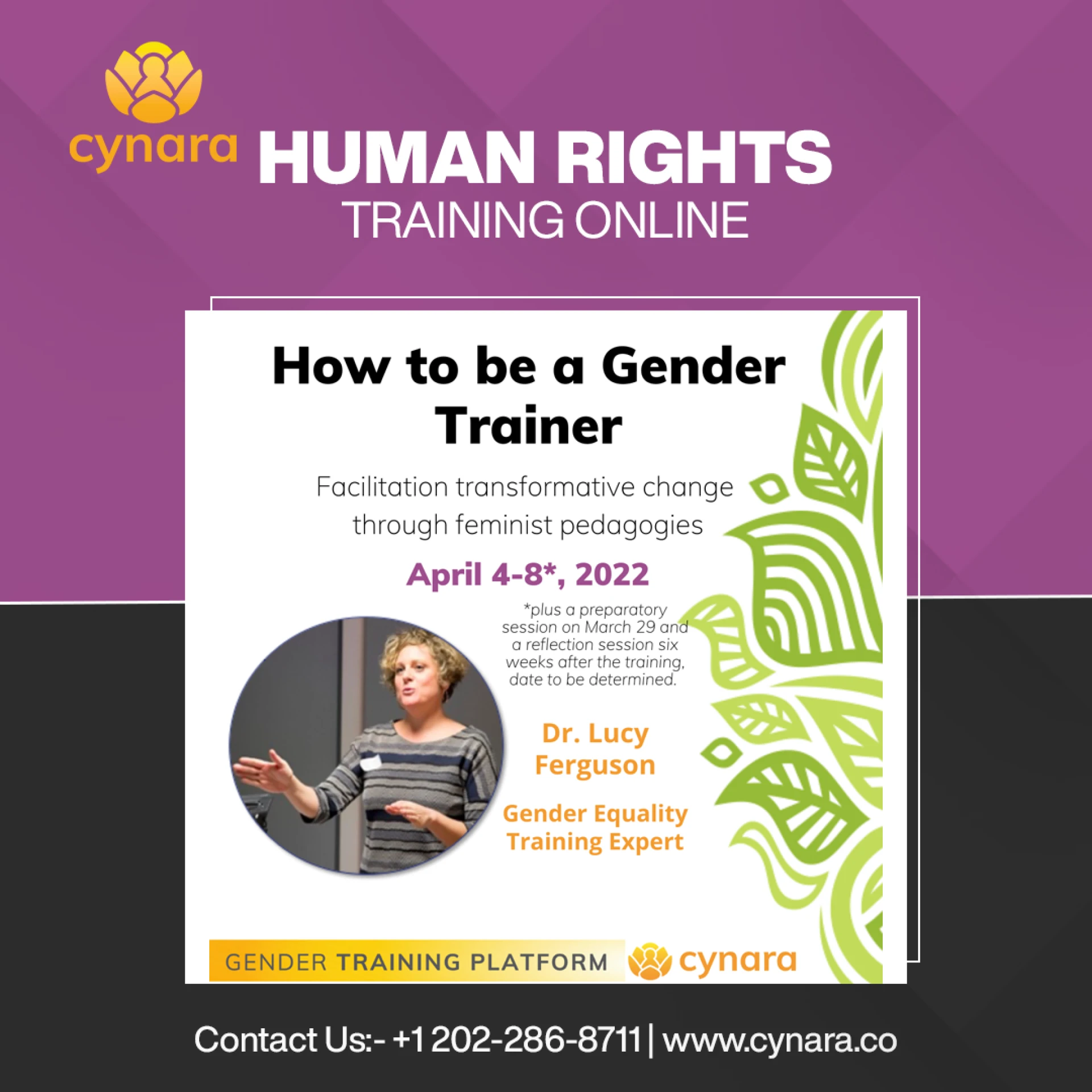

Regardless of origin, language, religion, or nationality, everyone is supposed to have certain basic rights and the awareness of these rights is crucial. Human rights training helps to foster the understanding of these rights and drive home the concept of equality.
With technology and the internet, it has become even easier to make human rights training online available for people from all walks of life. With this opportunity, you can apply and obtain human rights training online at your leisure. Here, we’ll consider the techniques for human rights training to achieve the best result.
#1. Segment Human Rights Training Classes
Managing the number of participants at a time is the best way to ensure that people receive the best training on certain topics for each class. The easiest way to ensure that everyone in a class follows along is to divide the human rights training classes.
Instead of a group of forty to fifty individuals going through various activities for hours, groups of ten people can be formed to go through several training sessions. Each group rotates to a different station and activity after thirty to forty minutes at one activity.
By dividing the classes into pairs or groups, more involvement and cooperation can be achieved because each group can generate ideas quickly. Also, assist them in quickly connecting with abstract ideas.
When the multiple stations demonstrate different ways, the technique works best. It will also assist participants in getting the most out of equality and human rights education. All participants are actively involved in this way.
#2. Respect the Rights and Differences of Both Students and Teachers
This is especially true in human rights training online because it is a class of different individuals. So without a culture of equality in the learning environment, training can appear inconsequential and hypocritical.
Participants can use the experience from this class to respect and tolerate people of different ethnic and religions. Their enhanced understanding and respect for human rights have enabled them to overcome discrimination, develop relationships, and make the most of their lives.
#3. Create Room for Competition Among Participants
Making the class exciting with contests and prizes is one of the best methods to bring out the best in participants. Contests can help participants to be more creative and attract attention to a problem. Also, amidst these, training objectives should be clear; ensure that learning, not simply competition, is the focus. Contests can revolve around creative writing, artistic expression, debate tournaments, or problem-solving proposals.
#4. Introduce Technology to Enhance Learning
Access to tools such as PowerPoint, CD-ROMs, and video recorders, allows participants to research and plan presentations. These technologies, when available, are effective instruments for human rights training. It can help participants develop relevant research and advocacy skills while also allowing them to direct their learning.
#5. Open Class Interaction
This strategy allows all participants to demonstrate or explain their projects, presentations, creative expressions, or plans. A drama session, interactive sessions, or a variety of other tactics could be used to achieve this.
Conclusion
Human rights training is essential, and everyone should have equal access to it. Thankfully, distance is no longer a barrier too. You can enlist the services of a human rights training consultant to obtain human rights training online.



























Sign in to leave a comment.