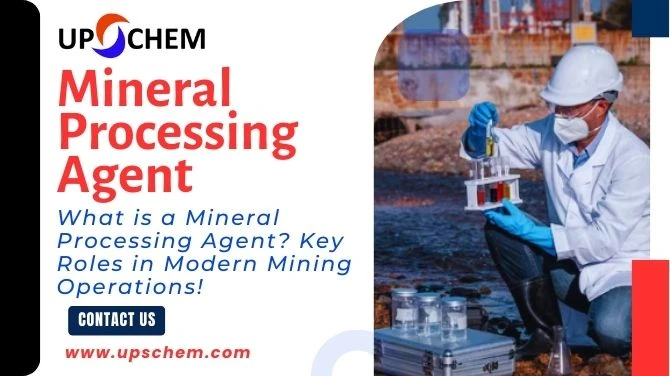
In a world increasingly reliant on minerals to power everything from electronics and infrastructure to green technologies and energy systems, efficient and sustainable mining has become more important than ever before. At the heart of efficient material extraction lies a class of chemical compounds that, though often unseen, play an essential role in the mineral separation and refinement process — Mineral Processing Agents.
So, what exactly is a Mineral Processing Agent, and why has it become indispensable in modern mining operations?
A Mineral Processing Agent is a chemical additive used in various stages of mineral beneficiation and extraction. These agents aid in separating valuable minerals from ores, improving recovery rates, enhancing selectivity, and ensuring that the entire process is as cost-effective and environmentally safe as possible. Whether you're processing copper, gold, lead, zinc, rare earth elements, or industrial minerals, selecting the right mineral processing agents can significantly impact the performance, yield, and profitability of mining operations.
In today’s competitive and eco-conscious market, mining companies are under growing pressure to reduce environmental impact, minimize energy and water consumption, and meet strict regulatory compliance. Chemical innovations — particularly high-efficiency and low-toxicity mineral processing agents — have become essential tools to meet these demands head-on.
As one of the leading manufacturers and suppliers of specialty chemicals for the mining industry, Shandong UPS Chemical Co., Ltd. offers a comprehensive product portfolio of mineral processing agents designed to perform under the toughest geological and operational conditions. With a reputation for product consistency, technical innovation, and global service, UPS Chemical is helping transform how mining companies approach resource extraction — with sustainability, performance, and precision in mind.
What is a Mineral Processing Agent?
A mineral processing agent is a specialized chemical compound used during the beneficiation phase of ore processing. Its primary role is to facilitate the separation, concentration, or purification of minerals from raw ores through various chemical and physical processes.
These agents fall under a broader category of mining reagents and are used in unit processes like:
- Froth flotation
- Leaching or hydrometallurgy
- Flocculation and sedimentation
- Dewatering and filtration
- Dust control and agglomeration
By interacting with mineral surfaces, solution chemistry, or process environments, mineral processing agents improve separation efficiency, gangue rejection, recovery rate, and product purity — ultimately reducing the operational costs and environmental impact of mining.
Main Types of Mineral Processing Agents
Different stages of mineral processing require different types of agents. Here’s a look at the most widely used types:
1. Collectors
These agents selectively attach to the surface of a specific mineral, making it hydrophobic (repelling water) and easier to separate using froth flotation.
- Examples: Xanthates, thiophosphates, fatty acids
- Applications: Sulfide ores (e.g., copper, lead, zinc)
2. Frothers
Frothers control the size and stability of air bubbles in flotation processes, allowing hydrophobic particles to be collected more efficiently.
- Examples: Alcohol-based frothers, glycol-based frothers
- Applications: Copper, gold, and platinum beneficiation
3. Depressants
These agents prevent certain minerals from floating by increasing their hydrophilicity (water-loving properties), thus improving selectivity.
- Examples: Sodium cyanide, zinc sulfate, sodium silicate
- Applications: Iron separation, gangue rejection
4. Activators
Activators enhance the surface properties of minerals to make previously non-floatable minerals floatable. They often work by chemical adsorption or ion exchange.
- Examples: Copper sulfate, sodium cyanide
- Applications: Zinc and pyrite flotation
5. Flocculants and Coagulants
Used to aggregate fine particles (slimes) so they can settle and be removed. This is important in tailings management and water recycling.
- Examples: Polyacrylamide (PAM), aluminum sulfate
- Applications: Tailings pond reclamation, thickening
6. Leaching Agents
Used in hydrometallurgical processes to extract metals like gold, silver, or uranium by dissolving the ore in a chemical solution.
- Examples: Cyanide, thiosulfate, sulfuric acid
- Applications: Heap leaching and in-situ recovery
Key Roles of Mineral Processing Agents in Mining Operations:
Though the types vary, all mineral processing agents perform critical roles in ensuring productive, efficient, and cost-effective ore treatment operations. Let’s look at how they contribute to improved performance across the board.
- Improved Separation Efficiency
By altering surface chemistry, processing agents enhance the desirability of target minerals, which leads to easier and faster separation. - Higher Recovery Rates
Processing agents allow greater amounts of mineral to be extracted from ore, ensuring that no valuable material goes to waste. - Process Selectivity
These agents ensure that only target minerals are recovered while unwanted gangue is discarded — enhancing product purity. - Water and Energy Savings
Flocculants, coagulants, and filtration agents help reduce water consumption and improve waste treatment, making operations more sustainable. - Operational Stability
By regulating froth, pH, and reagent interactions, mineral processing agents stabilize the overall plant performance and yield more consistent results. - Tailings and Wastewater Management
Special polymers and coagulants can be used to treat water or solid residues generated during mineral extraction, helping companies meet tight environmental standards.
Industry Applications by Mineral Type
Different mineral ores require different sets of processing agents. Here’s how they’re used across various mining domains:
- Copper and Molybdenum
Collectors and frothers enable the flotation of copper sulfides. Depressants and activators help selectively recover Mo as a by-product. - Gold and Silver
Leaching agents and pH modifiers extract precious metals. Cyanide remains dominant, but environmentally safer alternatives like thiosulfate are gaining traction. - Iron Ore
Coagulants and flocculants assist in tailings recovery and reuse of process water. Starch-based depressants are often used in reverse flotation. - Coal and Rare Earths
Collectors and float modifiers are configured to optimize fuel purity and reduce ash content. Rare earth separation often relies on pH-sensitive agents and chelating compounds. - Bauxite and Alumina
Humic acid dispersants, caustics, and thickening agents are deployed during digestion and precipitation steps.
Why Choose Shandong UPS Chemical Co., Ltd. for Mineral Processing Agents?
With over 15 years of experience in providing chemical solutions to the mining industry, Shandong UPS Chemical Co., Ltd. has become a trusted name in mineral processing.
- Global Reach, Local Support
UPS Chemical supports mining operations in over 30 countries, offering on-site testing and technical support tailored to local ore characteristics. - In-House R&D
With a cutting-edge laboratory, UPS develops customized formulations, including eco-friendly and low-toxicity agents suited for sensitive environments. - Turnkey Solutions
From sample testing to full-scale implementation, our team works with clients to optimize reagent dosage, improve recovery, and reduce chemical costs. - Wide Product Portfolio
We offer:
- Flotation reagents
- Dewatering agents
- Dust suppressants
- Leaching additives
- Tailings treatment auxiliaries
All products are compliant with REACH, ISO, and RoHS standards.
Factors to Consider When Choosing a Mineral Processing Agent
Not all chemicals are created equal. Here are the main points to watch when selecting a mineral processing agent:
- Ore Characterization
The mineralogy, particle size, and associated gangue minerals are key to choosing the right reagent. - Process Parameters
Water quality, pH levels, and temperature fluctuations impact reagent effectiveness. - Environmental Standards
Ensure the chemical complies with local and international environmental and safety regulations. - Economic Efficiency
Consider the cost per ton of ore processed, and not just the reagent price. - Compatibility
The chemical should not interfere with downstream processes or recovery methods.
The future of sustainable and efficient mining lies in smart chemistry — and that’s where mineral processing agents come in. These unsung heroes are more than just additives; they are performance enhancers, yield maximizers, and environmental protectors in modern mineral extraction operations.
Frequently Asked Questions (FAQ)
Q1: What is the main purpose of a mineral processing agent?
A: It enhances the efficiency and effectiveness of mineral separation processes by modifying surface chemistry or improving phase interactions, making it easier to isolate valuable minerals from ore.
Q2: Are mineral processing agents harmful to the environment?
A: Modern formulations, including those from UPS Chemical, are designed to be low-toxicity, biodegradable, and recyclable when used properly. Always follow recommended disposal and usage guidelines.
Q3: Can I use one agent for multiple ores?
A: Some agents are versatile, but optimal performance usually requires tailored formulations for specific ore types and process environments.
Q4: How are mineral processing agents applied in the plant?
A: They are usually dosed into flotation cells, leaching tanks, or thickening ponds using dosing pumps. Proper mixing and reaction times are crucial for effectiveness.
Q5: How do I choose the right supplier for mineral processing agents?
A: Consider technical expertise, adherence to quality standards, ability to offer customized solutions, and post-sales support. Companies like Shandong UPS Chemical Co., Ltd. provide end-to-end testing, support, and product customization.




























Sign in to leave a comment.