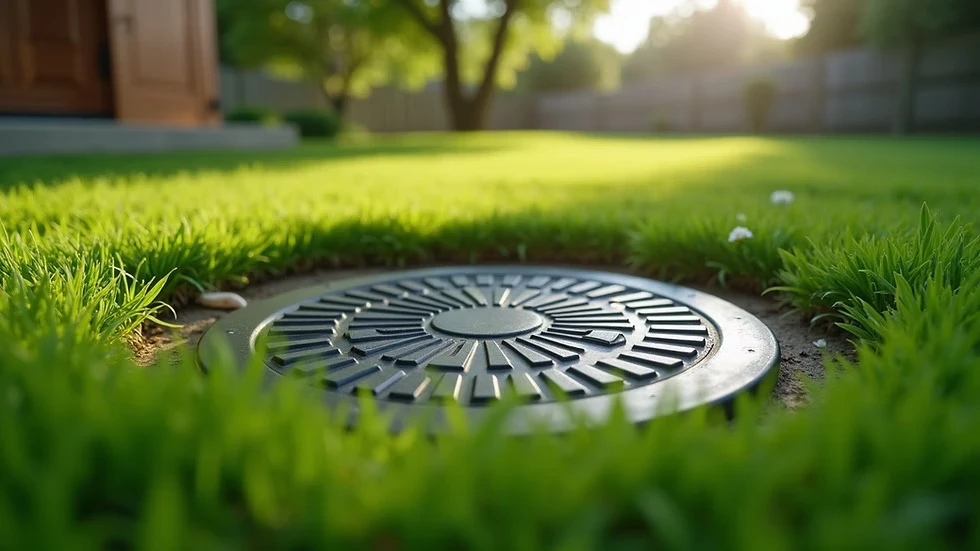

Septic care is an inescapable part of home ownership, unless you want to end up in a very unpleasant and messy situation. We understand that nobody likes to think about what happens after the kitchen sinks are drained, the toilet is flushed, and the laundry is finished; it's out of sight, out of mind as long as our business is done, but as a homeowner, the upkeep of your septic system is your responsibility. And you're at the right place if you're a new homeowner and want to keep your septic system in the best possible condition, so that your home stays clean and healthy. Employing regular Septic Pumping Services Santa Fe NM is of the utmost importance, yes, but so is making sure your septic system functions properly behind the scenes is crucial, and that means knowing the dos and don'ts of septic care.
Why Does Your Home Need Septic Pumping?
If you’re still wondering why septic pumping is so important for your home, here’s your answer. All of the trash and wastewater from your kitchen, showers, sinks, and toilets are handled by your septic system, which operates silently in the background. It's the unsung hero that keeps your house odor-free, clean, and healthy by ridding it of all your household waste and depositing it in your septic tank. However, solid waste builds up inside your septic tank over time, which can lead to clogged drains and pipes, sewage backups in your home, toilet overflows, and leaking faucets if your septic tank is not regularly pumped out and your tank gets filled beyond capacity.
Septic pumping and routine inspections help avoid water contamination, maintain a healthy atmosphere, keep your property from smelling like sewage, and save your money and time.
Septic Pumping Process Explained
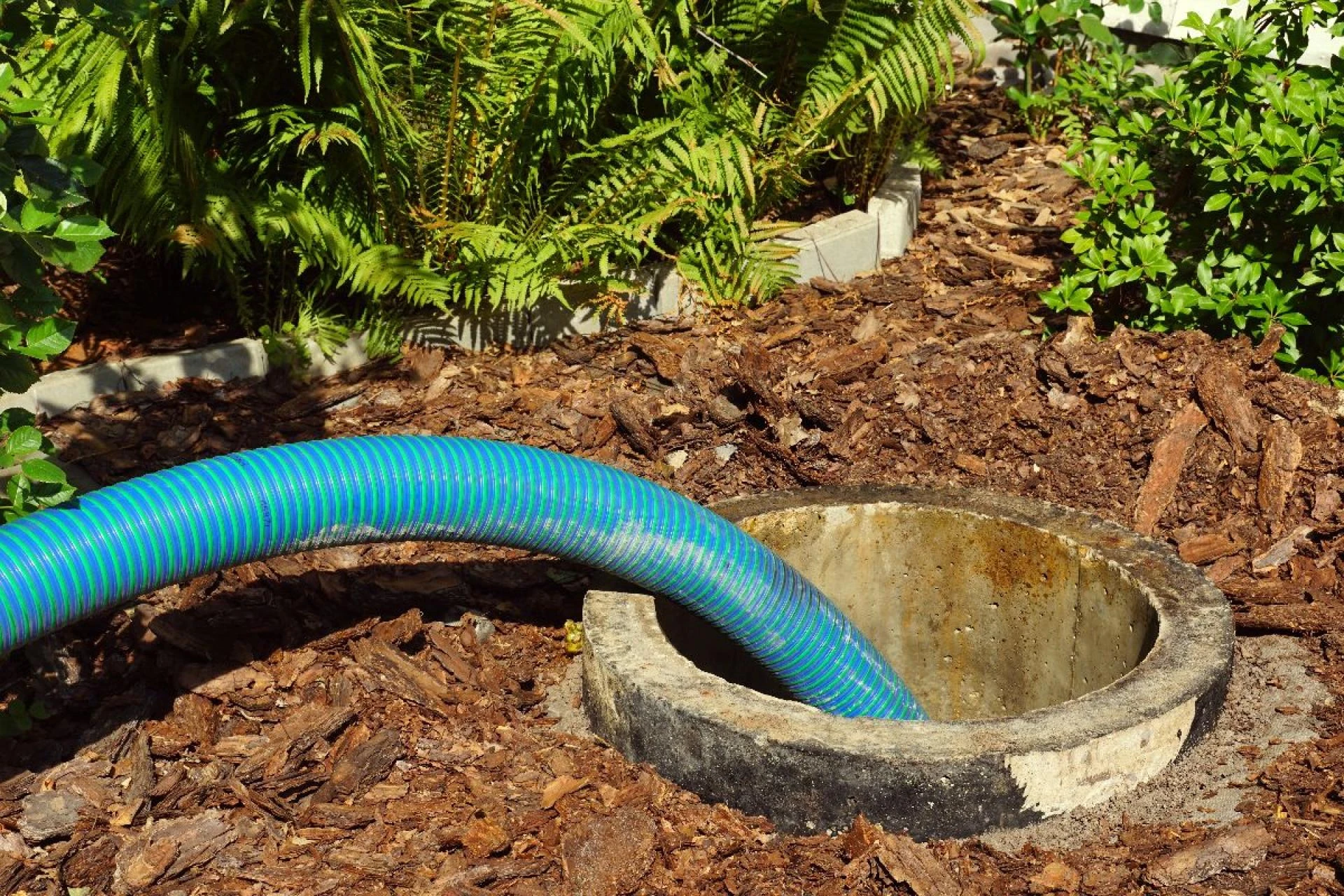
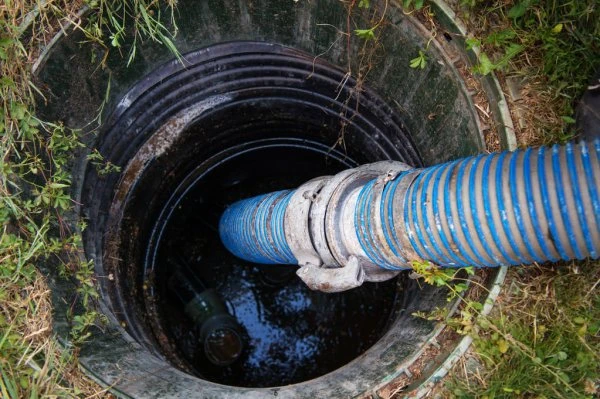
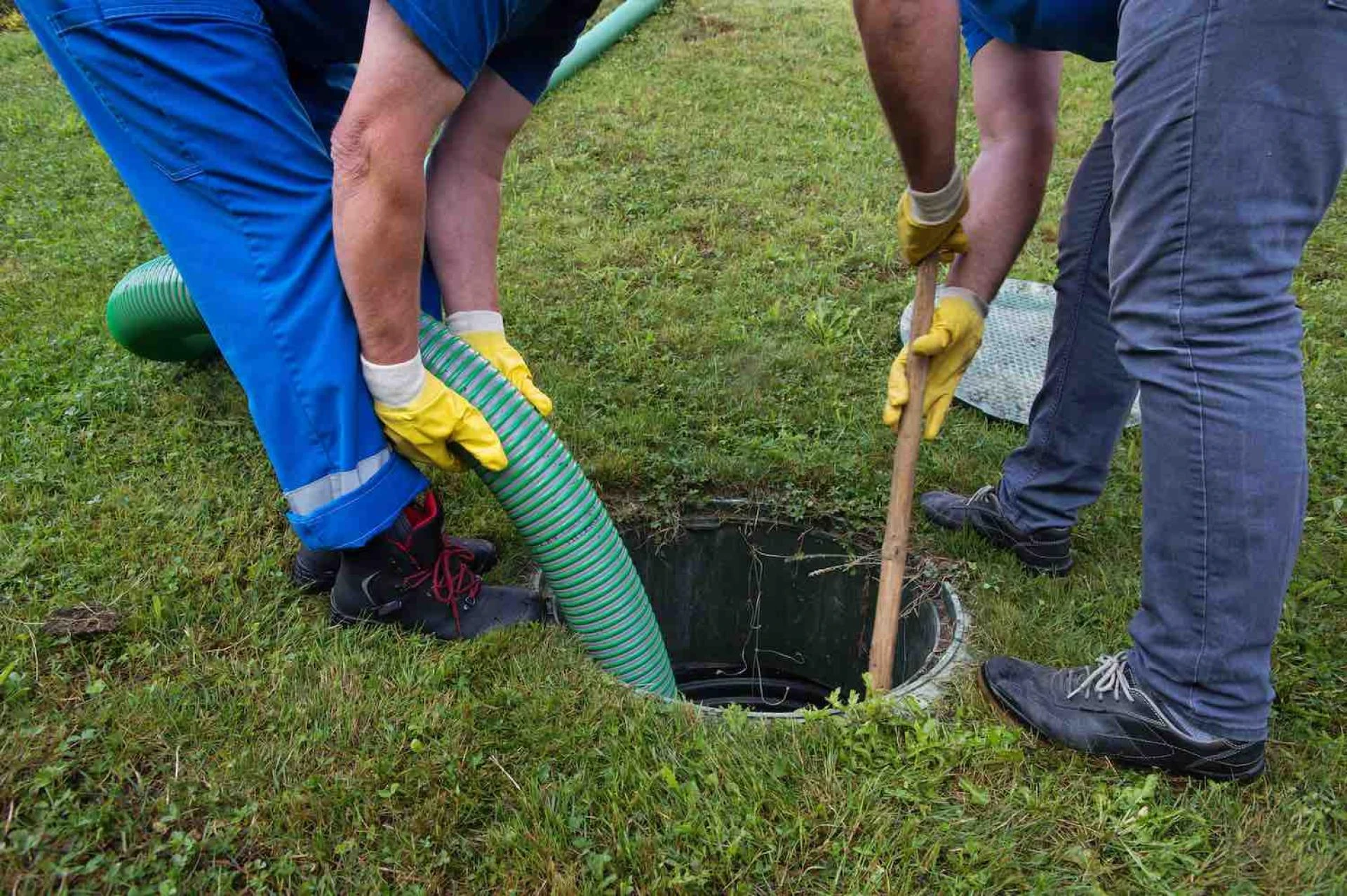
Septic pumping is quite simple in theory, but it’s best to always employ the services of a professional septic service to handle all your septic needs and stay away from DIY fixes. Septic professionals connect your septic tank to their truck using a giant vacuum and use it to draw any liquid, solid waste, and sludge from your septic tank into the truck. After pumping your septic tank, they will also clean out all of the outlets and filters that connect to the drain field. They also perform a visual inspection of your tank to look for any leaks, cracks, or other problems that might cause your septic system trouble in the future.
The Right Schedule for Septic Tank Pumping
According to septic pumping experts, you should have your septic tank pumped every 3 - 5 years, but different households have different needs, so the actual frequency will depend on your household size, water usage, and tank size. Larger families and heavy water users require pumping more often than smaller households.
Septic System Care: The Dos and Don’ts for Homeowners
The Do’s
- Do regular septic pumping.
- Do regular inspections.
- Do repair leaks
- Do conserve water.
- Do call septic professionals for any repairs or maintenance.
The Don’ts
- Don’t flush toilet paper down the drain.
- Don’t flush feminine hygiene products down the toilet.
- Don’t flush diapers down the toilet.
- Don’t throw food scraps down the kitchen sink.
- Don’t do too much laundry every single day.
- Don’t pour cooking oil/grease down the kitchen sink.
- Don’t plant or build over your septic tank.
As a homeowner, you cannot afford to neglect the care and maintenance of your septic system. 505 Portable Restrooms is only a call away and is always prepared to assist you in maintaining your home septic system.
























Sign in to leave a comment.