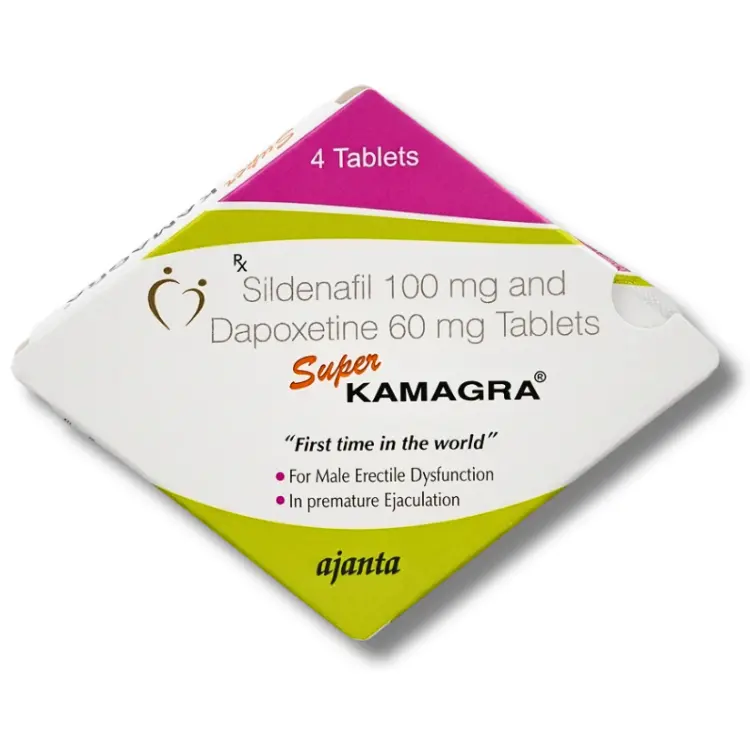

Most listings describe it as a combination product marketed for two problems at once: erectile dysfunction and premature ejaculation — typically pairing sildenafil (the same active ingredient found in Viagra) with dapoxetine (an SSRI used for premature ejaculation in some countries).
Now for the very unknown fact (the one that quietly explains everything):
The most Super Kamagra ingredient — dapoxetine — is explicitly called out by the U.S. Food and Drug Administration as not FDA-approved. In an FDA public notification about a sexual-enhancement product, the agency notes that dapoxetine is not an FDA-approved active ingredient, meaning its safety/efficacy haven’t been established for U.S. approval.
That’s why the super label is such a tell. In practice, Super usually doesn’t mean “clinically superior.” It usually means “this is a mash-up of ingredients people recognize… sold under a catchy name.”
And it’s not just a U.S. thing: an ABC News report quoted the Therapeutic Goods Administration warning consumers that products including Super Kamagra are not registered on Australia’s official medicines register (i.e., not approved/registered there).
When you see Super Kamagra, you’re often looking at something from the gray market / unapproved-product ecosystem, where branding can be louder than regulation. And regulators warn that many sexual-enhancement products sold online may contain hidden drug ingredients (or inconsistent contents), which can raise real safety risks.
A tiny but important safety note (because this combo has a gotcha): FDA also warns that undeclared ED-drug ingredients like sildenafil can dangerously interact with nitrates and drop blood pressure to unsafe levels.
So if a product is unapproved/unverified, you’re not just gambling on effectiveness — you’re gambling on what’s actually inside.
Educational only — not medical advice.



























Sign in to leave a comment.