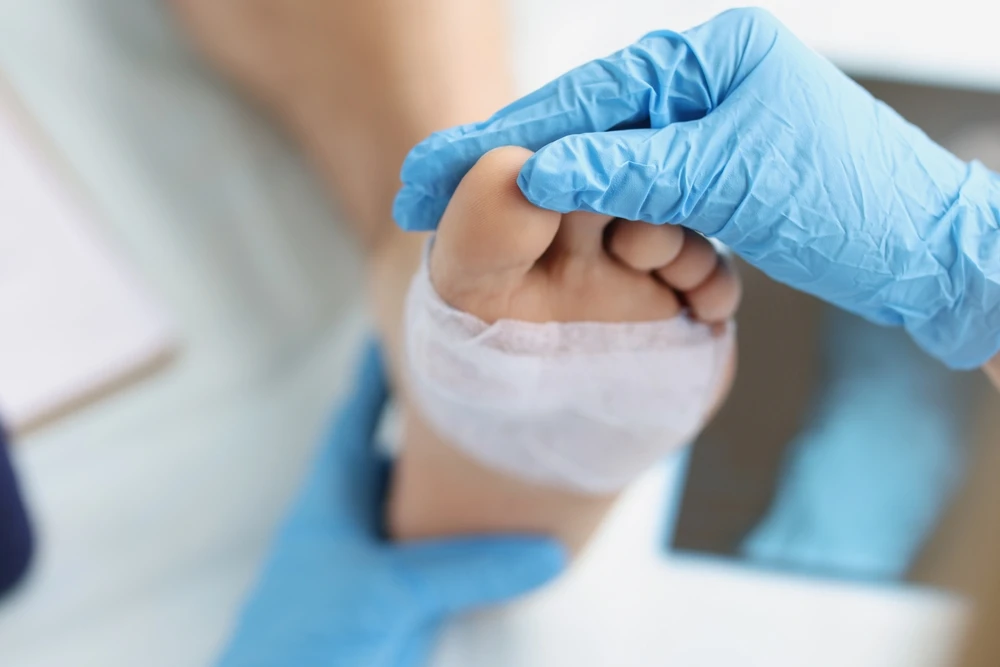

Diabetic foot ulcers are a serious complication of diabetes, affecting nearly 15-25% of patients at some point in their lives. Without proper care, these wounds can lead to severe infections, gangrene, and even amputation. One of the most critical aspects of treatment is choosing the best dressing for a diabetic foot ulcer—one that promotes healing, prevents infection, and maintains a moist wound environment. But with so many options available (foam, hydrocolloid, alginate, antimicrobial dressings, etc.), how do you know which is right for your wound?
In this comprehensive guide, we’ll explore:
✔ The key features of an ideal diabetic ulcer dressing
✔ The top 6 types of wound dressings and when to use them
✔ How to choose the best dressing based on ulcer stage and condition
✔ Common mistakes to avoid when dressing diabetic wounds
By the end, you’ll understand which dressing works best for different ulcer types and how to optimize healing.
What Makes a Dressing Ideal for Diabetic Foot Ulcers?
Not all wound dressings are created equal. The best dressing for a diabetic foot ulcer should:
Maintain a Moist Healing Environment – Dry wounds heal slower, but excessive moisture can cause maceration.
Absorb Excess Exudate (Fluid) – Too much drainage can break down healthy skin.
Protect from Infection – Diabetic wounds are prone to bacterial growth.
Reduce Pressure & Friction – Prevents further tissue damage.
Be Easy to Change Without Traumatizing the Wound – Some dressings stick to fragile new tissue.
Now, let’s compare the top dressing options.
Best Dressings for Diabetic Foot Ulcers
1. Hydrocolloid Dressings (For Light to Moderate Exudate)
Best for: Early-stage ulcers with minimal drainage.
How They Work:
- Made of gel-forming agents that absorb fluid while keeping the wound moist.
- Self-adhesive, waterproof, and can stay on for 3-5 days.
Pros:
✔ Promotes autolytic debridement (natural removal of dead tissue).
✔ Protects from friction and bacteria.
Cons:
✖ Not ideal for heavily draining or infected wounds.
Brand Examples: DuoDERM, Tegaderm Hydrocolloid.
2. Foam Dressings (For Moderate to Heavy Exudate)
Best for: Ulcers with significant drainage.
How They Work:
- Highly absorbent polyurethane foam soaks up fluid while cushioning the wound.
- Some have adhesive borders; others require a secondary dressing.
Pros:
✔ Excellent for preventing maceration (skin breakdown from too much moisture).
✔ Provides padding to reduce pressure.
Cons:
✖ Needs frequent changes if the wound is very wet.
Brand Examples: Allevyn, Mepilex.
3. Alginate Dressings (For Heavy Exudate or Bleeding)
Best for: Deep, heavily draining, or bleeding ulcers.
How They Work:
- Made from seaweed fibers that turn into a gel when absorbing fluid.
- Helps with clotting and keeps the wound bed moist.
Pros:
✔ Highly absorbent—great for infected or deep ulcers.
✔ Promotes granulation tissue formation.
Cons:
✖ Requires a secondary dressing to hold in place.
Brand Examples: Kaltostat, Sorbsan.
4. Antimicrobial Dressings (For Infected or High-Risk Wounds)
Best for: Ulcers with infection signs (redness, odor, pus).
How They Work:
- Infused with silver, iodine, or honey to kill bacteria.
- Reduces bacterial load while healing progresses.
Pros:
✔ Prevents infection from worsening.
✔ Silver dressings (e.g., Acticoat) are broad-spectrum.
Cons:
✖ Should not be used long-term (can slow healing if overused).
Brand Examples: Acticoat, Iodoflex, Medihoney.
5. Hydrogel Dressings (For Dry or Necrotic Wounds)
Best for: Dry ulcers with dead tissue (eschar).
How They Work:
- Provides moisture to rehydrate dead tissue for natural debridement.
- Cooling effect soothes painful wounds.
Pros:
✔ Helps break down thick scabs safely.
✔ Pain-relieving properties.
Cons:
✖ Not for heavily draining wounds (can cause maceration).
Brand Examples: Solosite, Nu-Gel.
6. Collagen Dressings (For Slow-Healing Chronic Ulcers)
Best for: Wounds stuck in the inflammatory phase.
How They Work:
- Supplies collagen (a key protein for tissue repair).
- Stimulates new cell growth.
Pros:
✔ Effective for stubborn ulcers that won’t heal.
✔ Can be combined with other dressings.
Cons:
✖ Expensive compared to standard options.
Brand Examples: Puracol, Promogran.
Advanced Considerations for Choosing the Best Diabetic Foot Ulcer Dressings
While we've covered the main types of dressings, there are several advanced factors that can influence dressing selection for optimal diabetic wound healing. These considerations ensure personalized, effective treatment based on the ulcer's unique characteristics.
Composite Dressings (For Multi-Stage Wounds)
Best for: Ulcers with varying characteristics in different zones.
How They Work:
- Combine multiple layers (absorbent, antimicrobial, and protective)
- Address different wound needs simultaneously
Key Benefits: ✔ All-in-one solution for complex wounds ✔ Reduce dressing change frequency ✔ Provide both absorption and moisture balance
Example:
- Tielle Plus (hydrophilic foam with adhesive border)
- Mepilex Border (silicone foam with Safetac technology)
Negative Pressure Wound Therapy (NPWT) For Severe Ulcers
When to Use:
- Large, deep ulcers with significant tissue loss
- Post-surgical wounds
- Wounds failing conventional treatment
How It Works:
- Uses controlled suction to:
- Remove excess fluid
- Increase blood flow
- Promote granulation tissue formation
Clinical Evidence: Studies show NPWT can:
- Reduce healing time by 30-50%
- Lower amputation risk in complex cases
Biological Dressings (For Refractory Ulcers)
Innovative Options:
- Skin Substitutes (Apligraf, Dermagraft)
- Provide living cells to stimulate healing
- Amniotic Membrane Dressings
- Contain growth factors for tissue regeneration
Best Candidates:
- Ulcers present >4 weeks without improvement
- Patients with poor healing potential
Smart Dressings (Emerging Technology)
Cutting-Edge Features:
- pH-monitoring to detect infection early
- Antibiotic-releasing based on bacterial load
- Oxygen-releasing for hypoxic wounds
Future Potential: These may revolutionize diabetic wound care by:
- Providing real-time wound status updates
- Automatically adjusting treatment
Dressing Selection Algorithm
For healthcare providers:
- Assess wound bed (color, exudate, infection)
- Evaluate patient factors (mobility, compliance)
- Consider cost-effectiveness
- Monitor and adjust based on progress
Key Takeaways for Optimal Dressing Use
- Rotate dressings as wound characteristics change
- Combine therapies (dressing + offloading + debridement)
- Document progress with regular wound measurements
- Involve specialists for non-healing wounds
How to Choose the Best Dressing for Your Diabetic Foot Ulcer
Ulcer Condition Best Dressing Choice
Dry with dead tissue : Hydrogel
Moderate drainage : Hydrocolloid or Foam
Heavy drainage/infected : Alginate or Antimicrobial
Deep, bleeding : Alginate
Chronic, non-healing : Collagen
Pro Tip: Always consult a wound care specialist—dressing needs can change as the ulcer progresses.
Common Mistakes When Dressing Diabetic Foot Ulcers
Using Plain Gauze Alone – Dries the wound and sticks to new tissue.
Ignoring Infection Signs – Foul odor or increased pain means you may need antimicrobials.
Changing Dressings Too Often – Disrupts the healing microenvironment.
Not Offloading Pressure – Even the best dressing fails if the ulcer keeps getting irritated.
Solution: Combine dressings with offloading devices (e.g., diabetic boots, crutches).
Final Thoughts: What’s the Absolute Best Dressing?
The best dressing for a diabetic foot ulcer depends on the wound’s stage, moisture level, and infection risk. For most cases:
- Start with hydrocolloid or foam for mild-moderate ulcers.
- Switch to alginate or antimicrobial if drainage or infection increases.
- Use hydrogel for dry, necrotic wounds.
Always pair dressings with good blood sugar control, regular debridement, and pressure relief for optimal healing.





























Sign in to leave a comment.