




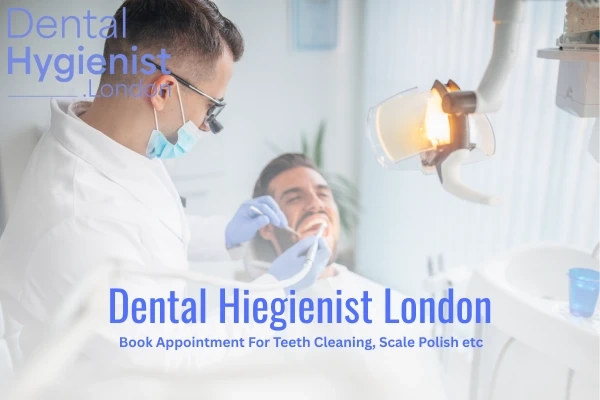
If you have been putting off a hygienist appointment because you are not sure what actually happens in the chair, you are not alone. Many people imagine pain, harsh instruments, or being judged for their brushing habits. In reality, a visit to the dental hygienist is one of the simplest, most effective ways to protect your teeth and gums for life.
This guide walks you through what really happens during a hygienist appointment, why it matters so much for your oral health, and how to get the most benefit from every visit – whether it is your first time or part of your regular routine.
Why a Hygienist Appointment Matters More Than You Think
Most people associate dental care with fillings, extractions, or emergencies. Hygienist visits sit quietly in the background – but they are often the reason you can avoid those bigger treatments altogether.
A hygienist appointment focuses on:
- Removing plaque and hardened tartar (calculus) that normal brushing and flossing cannot shift
- Reducing your risk of gum disease and tooth loss
- Helping prevent tooth decay by keeping surfaces clean and easier to maintain
- Controlling staining from tea, coffee, red wine, smoking or certain foods
- Coaching you on better daily home care, personalised to your mouth and lifestyle
Gum disease is one of the leading causes of tooth loss in adults, and it often progresses silently. Regular hygienist care helps spot and manage problems early, long before you develop pain or loose teeth.
Who Is a Dental Hygienist – And How Do They Differ from a Dentist?
A dental hygienist is a licensed dental professional who specialises in preventive care of the gums and supporting structures of your teeth. While a dentist focuses on diagnosis and treatment of disease (fillings, crowns, root canals, extractions and so on), a hygienist’s main role is to:
- Assess the health of your gums
- Clean above and below the gum line
- Provide tailored oral hygiene advice
- Support you in preventing dental problems rather than just treating them
In many practices, you will see both: the dentist for your check-up and the hygienist for your professional cleaning and gum care. They work together as a team to keep your mouth healthy.
Before the Appointment: What Happens When You Book
When you book a hygienist appointment, the practice may:
- Ask when you last had a check-up and cleaning
- Check if you are taking any medications, have allergies, or medical conditions such as diabetes, heart disease or pregnancy, which can all affect your gums
- Suggest how long you might need (for example, a longer session if you have heavy tartar build-up or gum problems)
If you are a new patient or it has been a long time since your last visit, it is useful to mention this when you book. It helps the team plan the right amount of time and support for you.
Step-by-Step: What Happens During a Hygienist Appointment
Although every clinic may have slightly different routines or equipment, the structure of a hygienist visit is usually very similar. Here is what you can typically expect.
1. Initial conversation and medical update
You will usually start with a brief discussion. The hygienist may ask:
- Whether you have noticed bleeding gums, sensitivity, bad breath or a bad taste
- If you have changed medications or your general health recently
- How you currently brush and clean between your teeth
This is not about judging you; it is about understanding your habits so they can give realistic, achievable advice.
2. Gum and oral health assessment
Before any cleaning begins, the hygienist will assess your gums. This may include:
- Looking at the colour, firmness and shape of your gums
- Using a small probe to gently measure the pockets around your teeth (this helps check for gum disease)
- Noting any areas of inflammation, recession (where the gum has shrunk back) or plaque build-up
They will usually explain their findings in simple terms so you understand the “starting point” for your treatment.
3. Plaque and tartar removal (scaling)
Next comes the main part of the hygienist appointment: scaling. This involves removing the sticky, bacteria-filled plaque and the hardened tartar that builds up on your teeth, especially around the gum line.
The hygienist may use:
- Ultrasonic scalers, which vibrate gently and use water to break up larger deposits
- Fine hand instruments to carefully smooth and clean smaller areas and between teeth
You might hear scraping or feel vibration, but the aim is to make this as comfortable as possible. Removing tartar is something you simply cannot do with a toothbrush at home, and it is crucial for stopping gum disease from progressing.
4. Cleaning between the teeth
The spaces between your teeth are some of the most vulnerable areas for gum disease and decay. The hygienist will often:
- Use floss, interdental brushes or special tools to clean between teeth
- Show you which size interdental brush best suits each area
- Demonstrate the correct technique so you can replicate it at home
This is where many patients learn for the first time how to properly clean the spaces their toothbrush cannot reach.
5. Polishing and stain removal
After scaling, your teeth will usually be polished to:
- Remove surface stains
- Smooth the tooth surfaces, making it harder for plaque to stick
Some practices use a traditional polishing paste and rotating rubber cup; others may offer air polishing systems which use a combination of air, water and fine powder for more intensive stain removal.
You will often notice your teeth feel smoother and look brighter immediately after this stage.
6. Fluoride or desensitising treatment (if needed)
If you are prone to sensitivity or decay, the hygienist may recommend:
- A fluoride gel, varnish or mousse to strengthen enamel
- Desensitising agents to help reduce sensitivity to hot, cold or brushing
These are quick to apply and help protect your teeth between visits.
7. Personalised advice and home-care plan
Towards the end of the appointment, the hygienist will go over what they have found and suggest practical changes you can make. This may include:
- The best brushing technique for your teeth and gums
- Which type of toothbrush and toothpaste to use
- How to use floss or interdental brushes effectively
- Lifestyle factors, such as smoking, sugar intake, snacking and acidic drinks
A good hygienist appointment should leave you feeling informed and empowered, not overwhelmed.
Does a Hygienist Appointment Hurt?
Many people worry about discomfort or pain, especially if their gums already bleed or feel sore. In most cases:
- Mild sensitivity or a “scratching” sensation is normal but tolerable
- Discomfort tends to reduce at each visit as your gums become healthier
- The hygienist can adjust their technique, slow down, or focus on smaller areas if something feels too intense
If you have very sensitive teeth or advanced gum disease, a local anaesthetic (numbing gel or injection) can sometimes be used to keep you comfortable. The most important thing is to tell your hygienist how you are feeling; they will not know it is too much unless you say so.
How Often Should You Book a Hygienist Appointment?
There is no one-size-fits-all answer, but common patterns are:
- Every 6 months for most healthy adults
- Every 3–4 months for people with gum disease, diabetes, orthodontic braces, or high plaque build-up
- Once a year at minimum if your mouth is low-risk and well-maintained (always follow professional advice)
Your dentist and hygienist will recommend a recall interval based on your individual risk factors. Skipping or delaying visits can allow tartar and inflammation to build again, undoing much of the benefit.
Getting Ready: How to Prepare for Your Visit
There is no complex preparation required, but a few simple steps can make your hygienist appointment smoother:
• Brush and clean between your teeth as you normally would before your visit
• Bring a list of medications and any relevant medical history updates
• Think about any concerns: sensitivity, bleeding, bad breath, cosmetic worries – so you remember to mention them
• Arrive a little early if you know you get anxious, to give yourself time to relax
Remember, hygienists see every level of oral health. Their role is to help you improve, not judge you.
Aftercare: Looking After Your Teeth Between Hygienist Visits
The benefits of a hygienist appointment last longest when you support them with good daily habits:
- Brush twice a day with a fluoride toothpaste for at least two minutes
- Clean between your teeth once a day using floss or interdental brushes
- Limit sugary snacks and drinks, especially between meals
- Be cautious with frequent acidic drinks (fizzy drinks, energy drinks, citrus) which can wear down enamel
- Avoid or reduce smoking and vaping, which significantly increase your risk of gum disease and staining
If your gums feel a little tender after the appointment, this is usually temporary and a sign that inflamed areas have been cleaned. Rinsing with warm salty water for a day or two can help soothe them, but if pain persists or worsens, contact your dental practice for advice.
Common Myths About Hygienist Appointments
A lot of hesitation comes from misunderstandings. Here are a few myths worth clearing up:
- “My gums only bleed because the hygienist is rough.”
- In reality, bleeding is usually a sign of inflammation caused by plaque build-up. Once your gums heal, they should bleed less.
- “Scaling damages my teeth.”
- Professional instruments are designed to remove tartar and plaque, not healthy tooth structure. Proper scaling protects your teeth, it does not wear them away.
- “I brush well, so I do not need a hygienist.”
- Even excellent brushers miss areas, and tartar can still form. Hygienists can access places you cannot reach at home.
- “Visits are only for people with gum disease.”
- Preventive care is for everyone. The goal is to keep your mouth healthy so disease never takes hold.
When You Should Prioritise Booking Sooner
You should consider bringing your hygienist appointment forward if you notice:
- Gums that bleed regularly when brushing or flossing
- Persistent bad breath or a bad taste in the mouth
- Red, swollen or tender gums
- Teeth that look longer due to receding gums
- A build-up of hard deposits you can feel with your tongue
These signs do not always mean severe disease, but they are your body’s way of telling you that your gums need professional attention.
Taking the Next Step: Time to Book Your Hygienist Appointment
A hygienist appointment is one of the most straightforward, impactful ways to protect your teeth and gums. In a single visit, you can:
- Remove stubborn tartar and staining
- Reduce your risk of gum disease and tooth loss
- Get tailored advice to make your daily routine more effective
- Feel fresher, cleaner and more confident about your smile
If it has been more than six months since your last visit – or you cannot remember when you last saw a dental hygienist – this is a good moment to take action. Contact your dental practice and book a hygienist appointment that fits your schedule. A small investment of time now can save you from far more complex, costly treatment in the future, and keep your smile healthier for years to come.