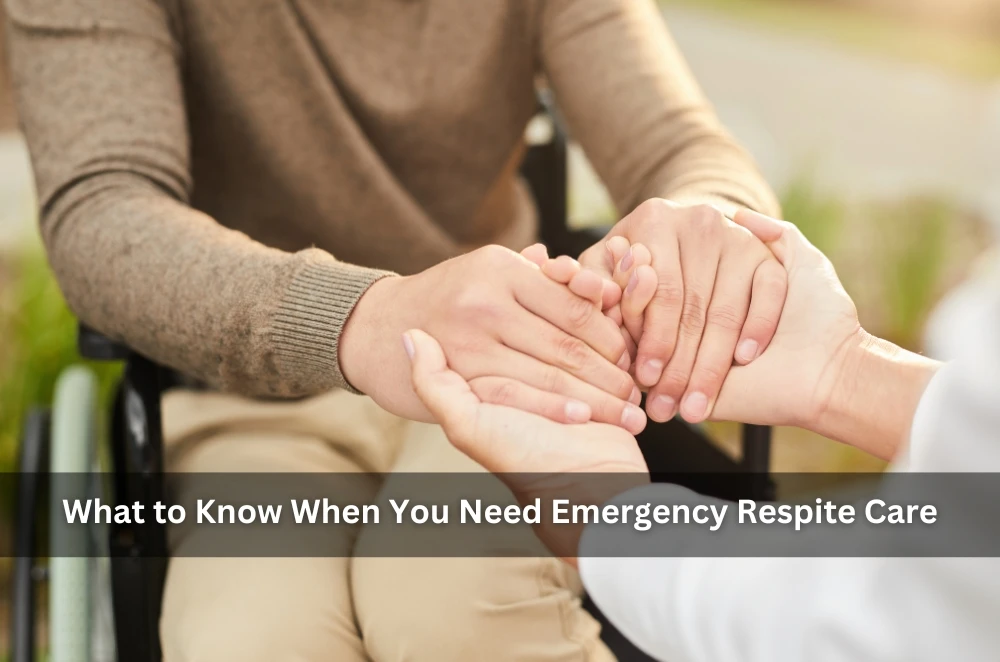

Caring for someone close to you — whether it’s a parent, partner, or child — isn’t a small commitment. It seeps into your day-to-day in ways people who aren’t carers often don’t see. Some days are manageable, and others can unravel fast. It’s in those chaotic moments when you realise just how essential respite care can be — not just for the person you support, but for your own wellbeing, too.
I’ve seen it firsthand. A neighbour of mine, looking after her elderly mum with dementia, was doing fine — until she wasn't. An unexpected fall landed her in hospital. Within hours, she was trying to arrange support from her hospital bed. That scramble could’ve been avoided if she'd known what options existed ahead of time.
Most of us don’t think about emergency respite until we’re forced to. But the earlier you understand what’s available, the less stressful those moments can be. And believe me, they show up when you least expect them.
What emergency respite means — and when it's needed
Emergency respite care is short-term support arranged when the usual carer can’t provide care suddenly and often without warning. It’s not planned in advance, and it’s definitely not just for holidays or regular breaks. This is about stepping in when something goes wrong.
Think:
- A carer gets injured or falls ill
- An urgent family crisis pulls them away
- Physical or emotional burnout leaves them unable to continue safely
- There’s an accident or complication that disrupts the care routine
It’s that gap-filler in chaos — the service that steps in when all other routines fall apart. Respite can be delivered in different ways depending on what’s available and what the person needing care is comfortable with. Sometimes, it’s in-home help, other times it’s a short residential stay. There’s no one right way — just whatever keeps the person safe, stable, and well-supported.
From what I’ve seen, just having that emergency contact list or a folder with essential details ready to go can make a huge difference.
Accessing emergency support through official channels
Systems exist — but let’s be honest: when you're in a crisis, navigating them isn’t always easy. Still, knowing your points of entry helps a lot. In Australia, access to emergency carer relief is generally coordinated through established aged care and health services.
This includes both national helplines and local agencies that handle cases based on urgency. In many cases, one of the more reliable reference points is the HealthDirect portal. It gives a clear picture of government respite care services available by location and care type.
What you might find through these services:
- Respite delivered at home for short periods
- Access to temporary accommodation in aged care or supported housing
- Rapid response teams for out-of-hours support
- Emergency health monitoring or supervision, where required
It’s important to note that availability isn’t always instant. But having prior knowledge about how the system works — and how to make a request — puts you in a much stronger position if a situation escalates quickly. It’s one of those things: better to know and not need it than the other way around.
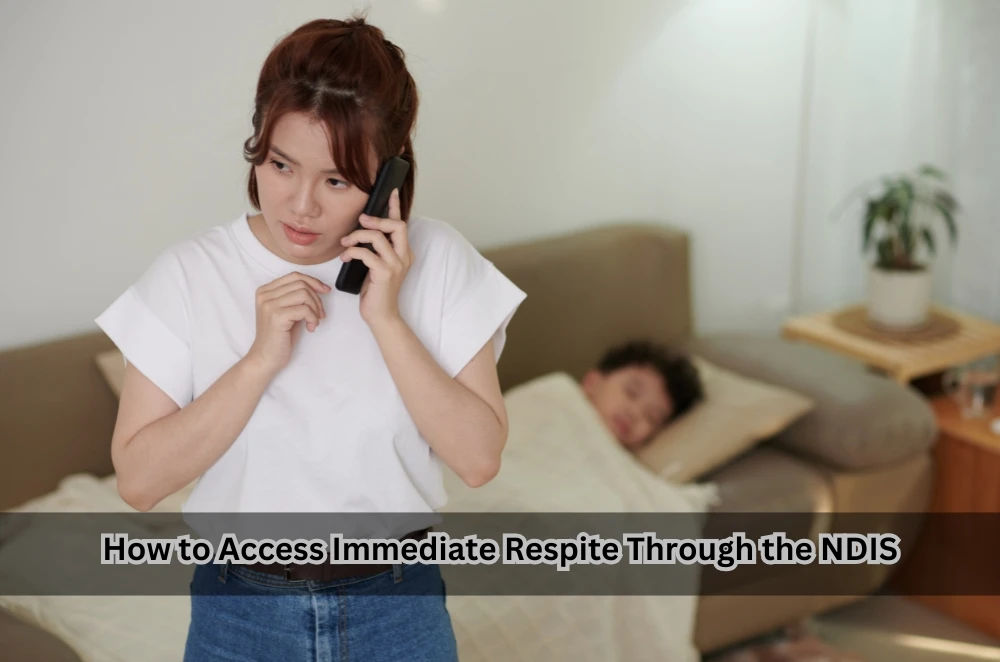
Knowing your options under the NDIS
Emergency support under the NDIS isn’t guaranteed in every situation, but it can be accessible if certain conditions are met. I’ve supported someone navigating this, and the trick — if you can call it that — is readiness. The paperwork, the contact numbers, the service agreements? They’re not fun to deal with, but they speed things up dramatically when the pressure’s on.
If you’re managing care for someone with a disability, it’s crucial to understand how to get NDIS respite quickly. That doesn’t just mean knowing who to call — it means knowing which type of support fits your situation and how to request it within the plan’s structure.
Some helpful factors:
- Having funding already allocated to short-term accommodation
- Prior discussions with the participant’s support coordinator
- Relationships with trusted providers who understand the participant’s needs
- Prepared care instructions — something that can be handed over in a pinch
The urgency of a crisis doesn’t allow for slow admin. The faster you can prove your case and show what’s needed, the more likely you’ll get that help when you really need it.

What to consider when choosing short-term care
There’s a lot more to emergency respite than just ticking boxes. Even in a short stay, your loved one deserves care that’s familiar, respectful, and well-informed. And while no service is perfect, knowing what to ask — even in a rush — helps you make better choices.
Here’s where choosing the right holiday carer becomes more than a preference — it’s a priority.
Some practical filters:
- Does the provider understand the person’s condition or communication needs?
- Are routines and medications followed strictly?
- Can the provider handle sudden changes in behaviour or medical requirements?
- Is the physical environment safe and appropriately equipped?
These aren’t big-picture, long-term decisions. They’re immediate, often gut-level choices you make when time’s tight. But having even a loose shortlist — names, numbers, preferences — means you won’t be starting from scratch when stress levels are already through the roof.
Final thoughts: don’t wait to get ready
We rarely think about emergencies when things are calm — that’s just human nature. But when you’re a carer, calm can flip to chaos in a matter of hours. And if you’ve never needed emergency respite before, you might assume it’s something you can sort out on the spot.
That’s a risky bet.
Understanding your local services, pre-filling some forms, or even just having a plan B — these are all small actions that make a huge difference when things go sideways. Caring isn’t easy, and you won’t always be able to do it alone.
Emergency respite isn’t about giving up your responsibilities. It’s about making sure the person you support is safe and cared for — even when you physically or emotionally can’t be there.




























Sign in to leave a comment.