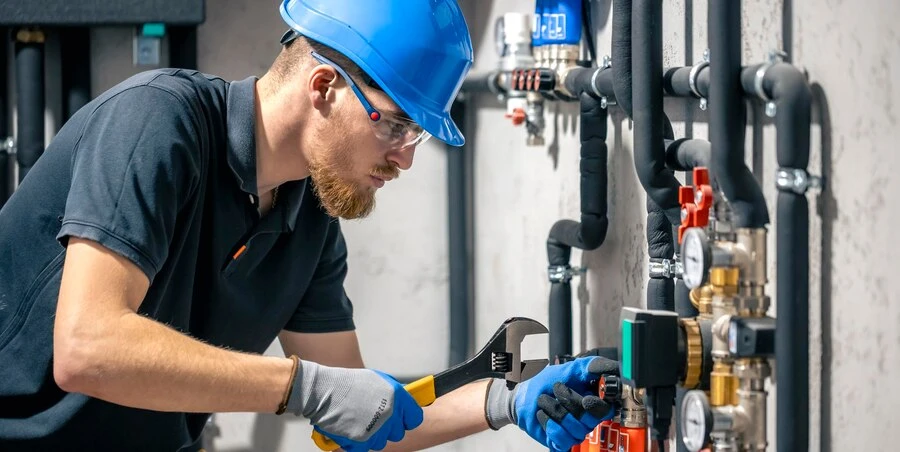

Geothermal systems are among the most sustainable options available for heating and cooling. Since geothermal installation will be a good fit for your area. In this article, we have mentioned different types of geothermal systems so that you can have an idea about what type is suitable for your location where you want to install your geothermal system.
Exploring the Types of Geothermal Heating Installation
Closed-Loop
A closed-loop geothermal installation system consists of piping buried in the ground or a nearby lake or pond. It is among the most common installations that use underground pipes filled with heat-transferring fluid. Geothermal systems circulate antifreeze solution through a closed loop. The refrigerant in the heat pump and the antifreeze in the closed loop transfer heat between each other with the heat exchanger. A closed-loop system can be installed in vertically or directionally drilled borings, horizontal trenches, or even in a water body on the surface. Whether it is an individual house or a large commercial building, this type of geothermal system installation is designed to meet a wide range of heating and cooling needs.
Open-Loopsystem
An open-loop system pumps groundwater from a water supply well through a heat exchanger. It then discharges the water to the ground surface, a pond/lake, or an infiltration gallery. Open-loop geothermal system installation is cost-effective because it requires little to no digging or burying. By installing an open-loop system, you can save both space and money. It only requires a clean water source near your home and big enough to submerge the pipes.
Horizontal
A horizontal system typically uses a closed loop. Either it uses two pipes, one buried at four feet while the other at six feet, or two pipes at five feet in the ground, placed side-by-side in a two-foot-wide trench. This type of geothermal heating installation is generally cost-effective for residential installations, particularly for new construction where a large area of land is available. Additionally, the horizontal system is comparatively less complex because it does not require specialized drilling equipment.
Vertical
Vertical geothermal system installation is done by drilling hundreds of feet deep into the ground with holes that are only a few inches wide. This type of installation is comparatively more expensive but suitable for areas with limited space. The vertical installation system consists of several small holes, but they do not disturb the landscaping of the area. This type of system can also be installed in areas where the soil is too hard or rocky for a horizontal system installation.
The Bottom Line
It is a personal decision of an individual about what type of geothermal system installation they want. A geothermal contractor can guide you, help you through the installation process, and discuss what is important. They can better inform you about every type of geothermal system and help you make an informed decision about what type of installation should be done. Geothermal installation is a wise choice and investment for every home, and a geothermal installer can help you understand everything about it, its installation, and its type. By choosing geothermal systems, you can take a step towards an eco-friendly future, reducing carbon footprints and making the environment safer.

























Sign in to leave a comment.