

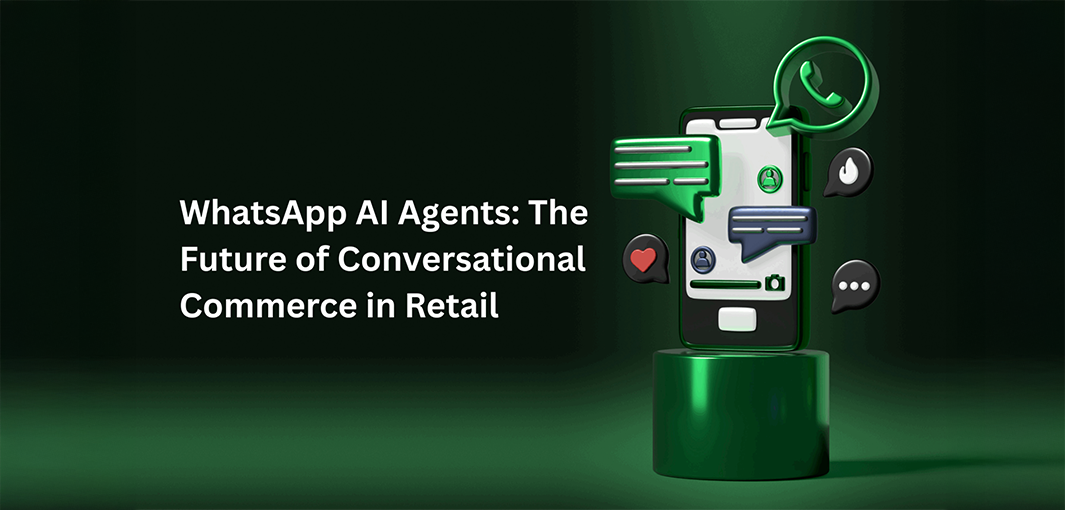
WhatsApp feels harmless at first.
A few messages. A couple of order checks. Maybe some product questions. It looks manageable. Then a campaign works. Traffic spikes. Orders rise. And suddenly, the inbox is moving faster than anyone expected.
That’s when things start slipping.
Messages get answered late. Follow-ups multiply. Tone tightens. What looked like engagement quietly turns into operational stress. This is usually where teams realise they scaled visibility faster than they scaled response.
This is where WhatsApp AI Agents stop sounding optional.
WhatsApp Is Emotionally Immediate
Email tolerates delay. WhatsApp does not.
When someone sends a message here, they expect an acknowledgement quickly. Silence does not feel procedural. It feels personal. Even a small delay can create unnecessary tension.
I have seen minor timing gaps trigger frustration that had nothing to do with the original issue. The problem was not the policy. It was the wait.
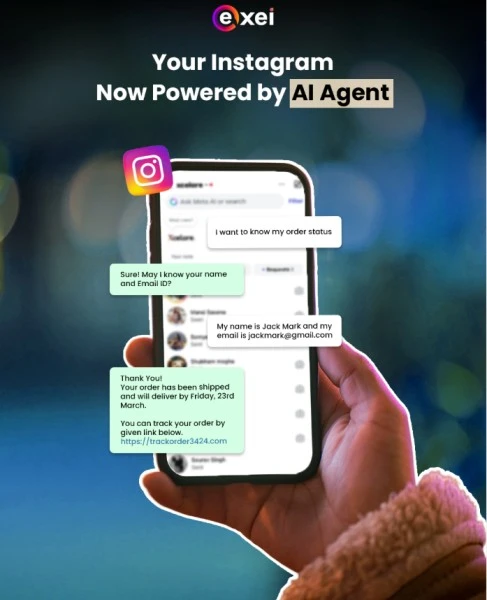
WhatsApp AI agents protect that first response moment. They acknowledge instantly. They clarify routine questions immediately. They prevent silence from becoming the story.
Most Messages Are Predictable
Let’s be honest. The majority of WhatsApp conversations revolve around the same handful of topics.
Order tracking.
Shipping updates.
Return timelines.
Availability checks.
These are not complex conversations. They are repetitive ones. When answered quickly, they disappear. When delayed, they multiply and clutter the channel.
WhatsApp AI agents absorb that predictable layer, so humans do not have to answer the same question fifty times a day. Automation handles certainty. Humans handle nuance.
That separation keeps the channel from spiralling.
Escalation Is Where Things Either Break or Work
Bad automation traps people in loops. Endless prompts. Forced menu paths. Restarting conversations when escalation finally happens.
That is not efficiency. That is friction disguised as technology.
Good WhatsApp AI agents escalate early when complexity appears. Context moves forward. Order details, prior messages, intent, all intact. The human agent picks up without forcing repetition.
Platforms like Exei are built around this layered model, where automation supports flow rather than pretending to replace judgment.
When escalation feels seamless, trust stays intact.
Repetition Is the Quiet Burnout Machine
WhatsApp volume rarely explodes in one dramatic moment. It accumulates. The expectation of quick replies combined with repetitive queries creates steady cognitive pressure.
I have seen support tone shift not because teams lacked training, but because they were exhausted from repetition. When automation removes the predictable baseline, humans regain focus for the conversations that actually require empathy.
exei helps structure that redistribution of effort so response timing stays tight and escalation remains smooth.
The difference is noticeable. Not flashy. Just calmer.
This Is Infrastructure, Not Hype
Exei WhatsApp AI agents will not fix bad policies. They will not erase real service failures. They will not replace thoughtful human interaction.
They manage flow.
They stabilize timing.
They prevent avoidable friction.
And when WhatsApp stops feeling like a constant notification storm and starts feeling like a channel you actually control, that’s usually when you realize the problem was never growth.
It was the lack of structure underneath it.




























Sign in to leave a comment.