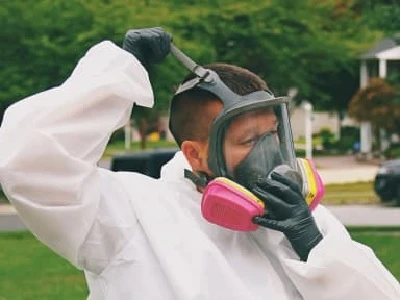

Dealing with the loss of a loved one is emotionally overwhelming. On top of grief, families sometimes face the unexpected responsibility of handling the physical aftermath. After Death Cleanup involves more than standard housekeeping. It requires specialized training, protective equipment, and knowledge of safety regulations.
Many people wonder whether they should attempt the cleaning themselves or call professionals. Understanding the risks, legal aspects, and emotional weight can help you make the right decision. Below, we break down the most important situations when expert help becomes essential.
What Does After Death Cleanup Really Involve?
After Death Cleanup is a technical and biohazard-focused service. It goes far beyond wiping surfaces or removing visible stains. Professionals must sanitize, disinfect, deodorize, and safely dispose of contaminated materials.
When a death occurs, bodily fluids can seep into flooring, mattresses, carpets, and even structural elements. Without proper remediation, bacteria and pathogens may remain. This can create long-term health risks for anyone entering the space.
Trained teams use hospital-grade disinfectants, personal protective equipment (PPE), and industry-approved procedures. They also follow local and federal regulations regarding hazardous waste.
Because of this complexity, professional intervention is often the safest route.
Why Is DIY After Death Cleanup Risky?
You may feel tempted to handle the process yourself, especially if you want privacy or believe the affected area is small. However, DIY cleaning can expose you to serious hazards.
Bloodborne pathogens such as hepatitis and HIV can survive outside the body for extended periods. Without proper respirators, gloves, and disposal methods, you risk contamination.
In addition, household cleaners are not designed to neutralize biohazards. They might mask odors temporarily, but they rarely eliminate the source.
Beyond physical danger, the emotional trauma of cleaning a scene connected to someone you love can be long lasting. Many families later say they regret taking on that burden.
When Is Professional Help Absolutely Necessary?
Certain scenarios make professional After Death Cleanup non-negotiable.
Unattended deaths
If someone passes away and remains undiscovered for a period of time, decomposition begins. Odors intensify, and fluids may spread extensively. Specialists must remediate hidden contamination.
Traumatic incidents
Accidents, suicides, or violent events often involve large areas and complex restoration. Certified teams have the training to manage these safely and respectfully.
Structural damage
If subflooring, drywall, or ventilation systems are affected, professionals must remove and replace materials to prevent ongoing risks.
Vulnerable residents
If children, elderly individuals, or people with health conditions occupy the property, professional sanitation becomes even more critical.
How Do Professionals Protect Your Health?
Professional crews follow strict protocols designed to keep everyone safe. They assess the site, isolate contaminated zones, and use advanced cleaning agents that break down biological matter.
High-efficiency filtration systems help remove airborne particles. Teams also test surfaces after treatment to confirm proper disinfection.
Companies such as Ideal Response train technicians to restore environments to a habitable condition while maintaining discretion and compassion. Their goal is to remove both visible and invisible threats.
What About Odor Removal?
One of the most challenging aspects of After Death Cleanup is odor control. Smells can penetrate deep into porous materials and linger long after visible traces disappear.
Professionals use ozone treatments, hydroxyl generators, and thermal fogging to neutralize odors at the molecular level. They also locate the source, which might hide beneath flooring or inside walls.
Without this expertise, families often find that smells return days or weeks later.
Can Insurance Cover After Death Cleanup?
In many cases, homeowner’s or property insurance policies may cover services related to biohazard remediation. Coverage depends on the cause of death and the specific terms of the policy.
Professional cleanup companies frequently assist with documentation, photographs, and communication with adjusters. This reduces stress during an already painful time.
Working with experienced providers like Ideal Response can simplify the claims process and help families understand their options.
How Is This Different From Cleaning a Flood in Basement?
Some people assume that if they can manage a flood in basement, they can handle a death scene as well. While both situations require restoration, the risks differ greatly.
Floodwater primarily introduces mold, bacteria, and moisture damage. After a death, biohazards include bloodborne pathogens and decomposition fluids that require specialized handling.
The emotional component also sets these apart. Cleaning water damage does not carry the same psychological impact as dealing with human remains.
Because of these differences, training for biohazard remediation is much more intensive.
How Quickly Should You Call?
Time matters. The longer contamination remains, the further it spreads and the harder it becomes to remediate.
Immediate professional action helps:
- Limit permanent damage
- Reduce odor penetration
- Lower overall restoration costs
- Protect other areas of the property
Many services operate 24/7 because emergencies rarely occur during business hours.
What Should You Expect From the Process?
Reputable providers begin with an assessment and clear communication. They explain what needs removal, what can be restored, and how long the work will take.
Technicians treat the space with dignity. They work discreetly and aim to minimize additional distress for families.
After cleaning, they dispose of hazardous materials according to regulations and may recommend repairs or renovations if necessary.
The final objective is to return the environment to a safe, livable condition.
How Can Professional Support Ease Emotional Stress?
Grief affects everyone differently. Taking responsibility for physically cleaning the area can intensify trauma and delay healing.
Hiring experts allows families to focus on memorial arrangements, supporting one another, and processing their loss. Knowing that trained specialists are handling the situation provides relief and reassurance.
Many companies also coordinate with property managers, law enforcement, and insurance representatives, removing additional logistical pressure.
Is Calling a Professional the Right Choice?
In nearly all situations, yes. After Death Cleanup involves health risks, regulatory requirements, and emotional challenges that exceed normal cleaning tasks.
Professionals bring knowledge, equipment, and compassion. They ensure the job is done thoroughly and respectfully, protecting everyone who enters the property in the future.
If you ever face this difficult circumstance, reaching out for expert help is not a sign of weakness. It is a responsible step toward safety and recovery.


























Sign in to leave a comment.