
Excessive smoke during roasting often distorts intended flavor clarity and increases operational ventilation demands. Many roasting operations still manage inconsistent airflow, chaff buildup, and particulate recirculation—issues that directly affect taste consistency and workplace air quality.
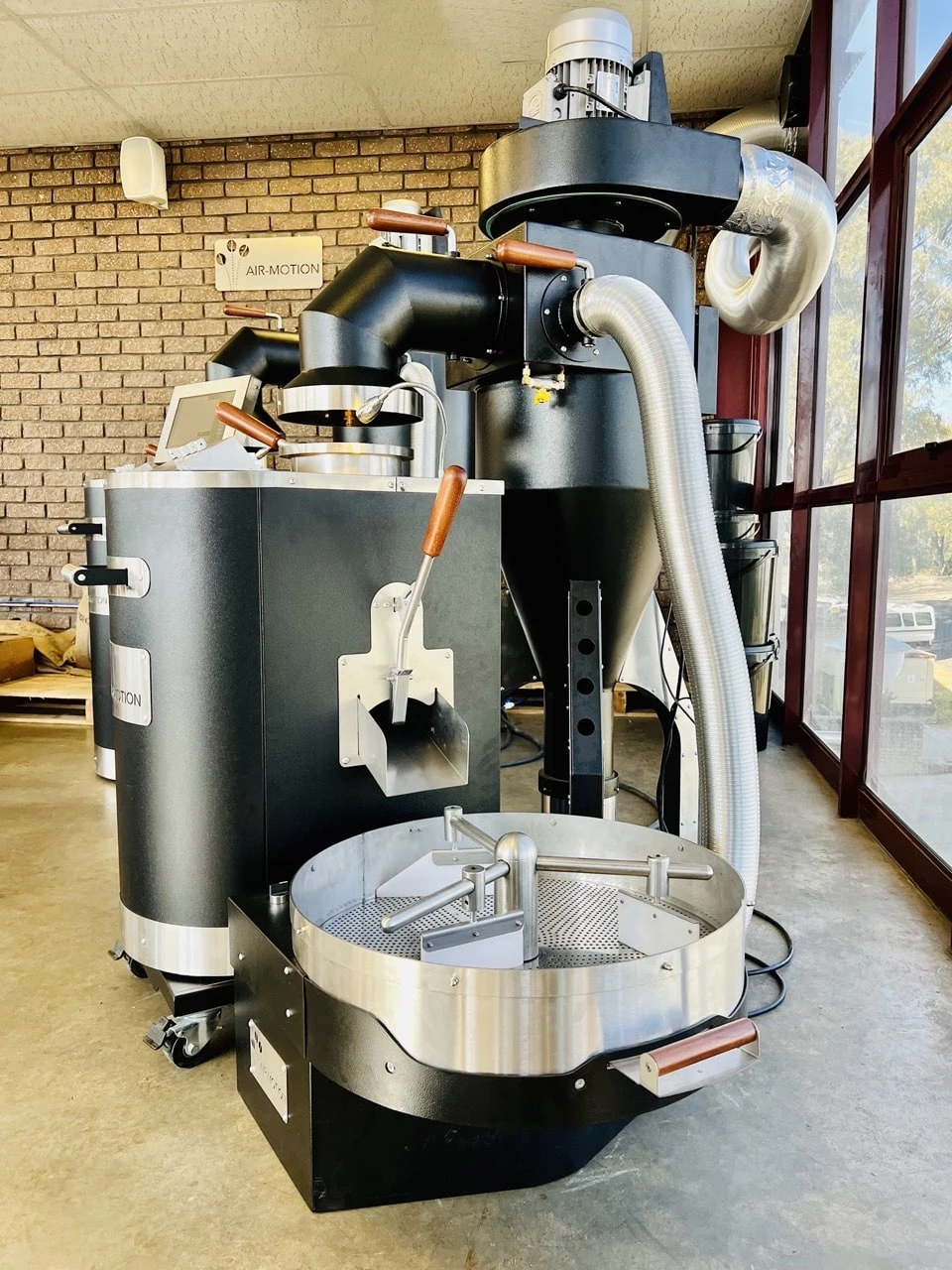
This blog explains how a fluid bed coffee roaster reduces smoke contamination through airflow dynamics, suspended bean movement, and improved chaff separation.
Reading through will allow you to understand the mechanical reasoning behind cleaner roasting environments and why operators seeking precision tend to consider this roasting method for long-term production stability.
Why Does Smoke Contamination Matter in Coffee Roasting?
Smoke contamination happened when solid particles, chaff bits, and gases that were released during the roasting process were not sent out of the roast chamber but stayed in there instead. Eventually, such a scenario would cause an overpowering presence of harsh, ashy flavors to cover up the beans' origin-character.
In specific roasting environments, this contamination also accumulates in ventilation lines, increasing cleaning frequency and maintenance downtime. Many commercial setups prioritize faster output over airflow precision, overlooking how retained fumes reshape chemical development.
With a fluid bed coffee roaster, smoke formation is managed differently due to the chamber’s open suspension environment, where air movement becomes the primary engine of heat transfer rather than surface contact alone.
How Does Suspended Bean Movement Reduce Smoke Retention?
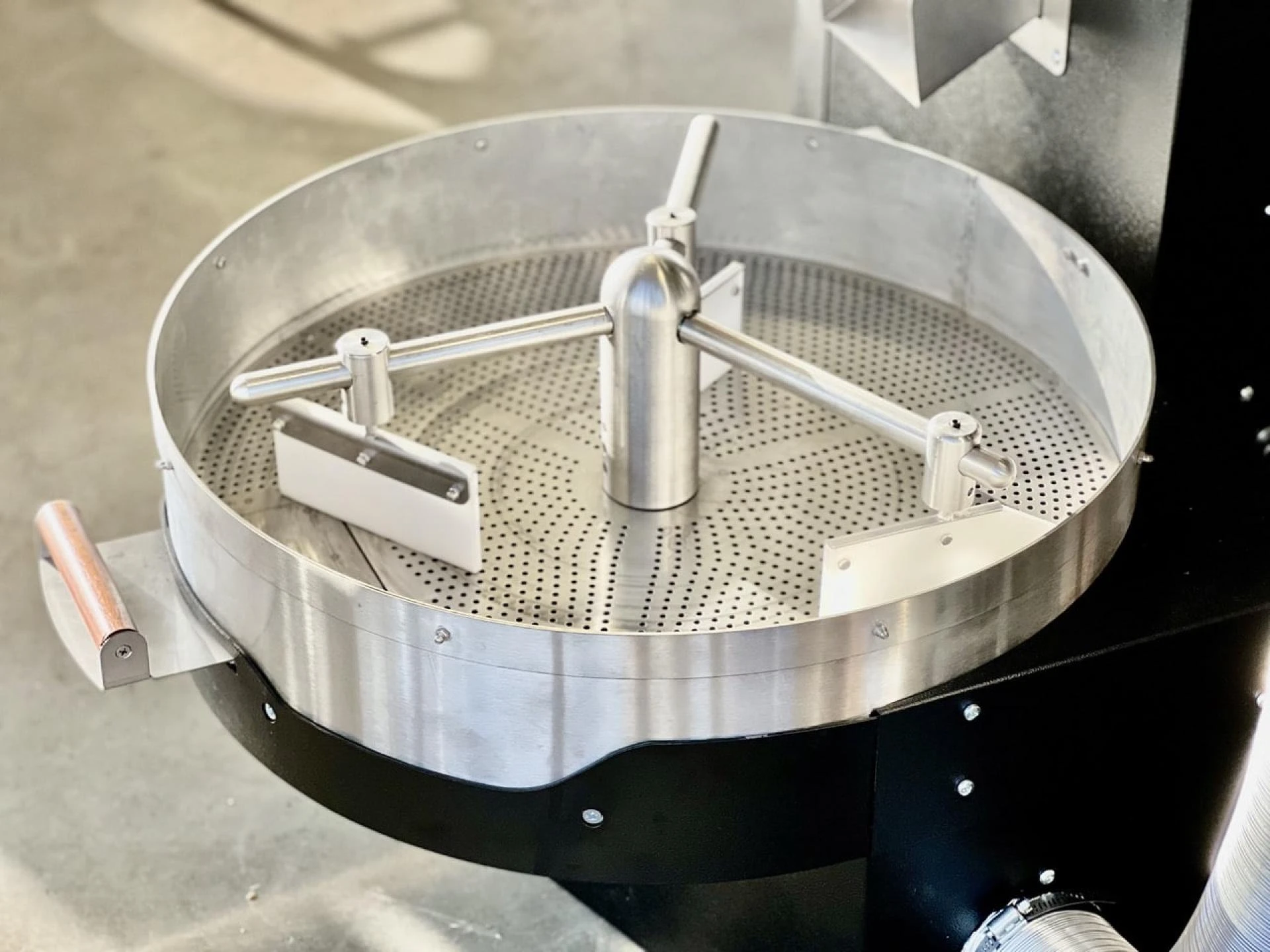
Beans remain suspended in a controlled column of heated air rather than tumbling within a heated drum. This suspended movement enables consistent exposure, preventing beans from scorching against a surface.
Because airflow is continuous, developing smoke and gaseous compounds exit rapidly, preventing reattachment to the bean surface. The constant movement promotes uniform heat distribution, minimizing the risk of underdeveloped interiors or overdeveloped exteriors.
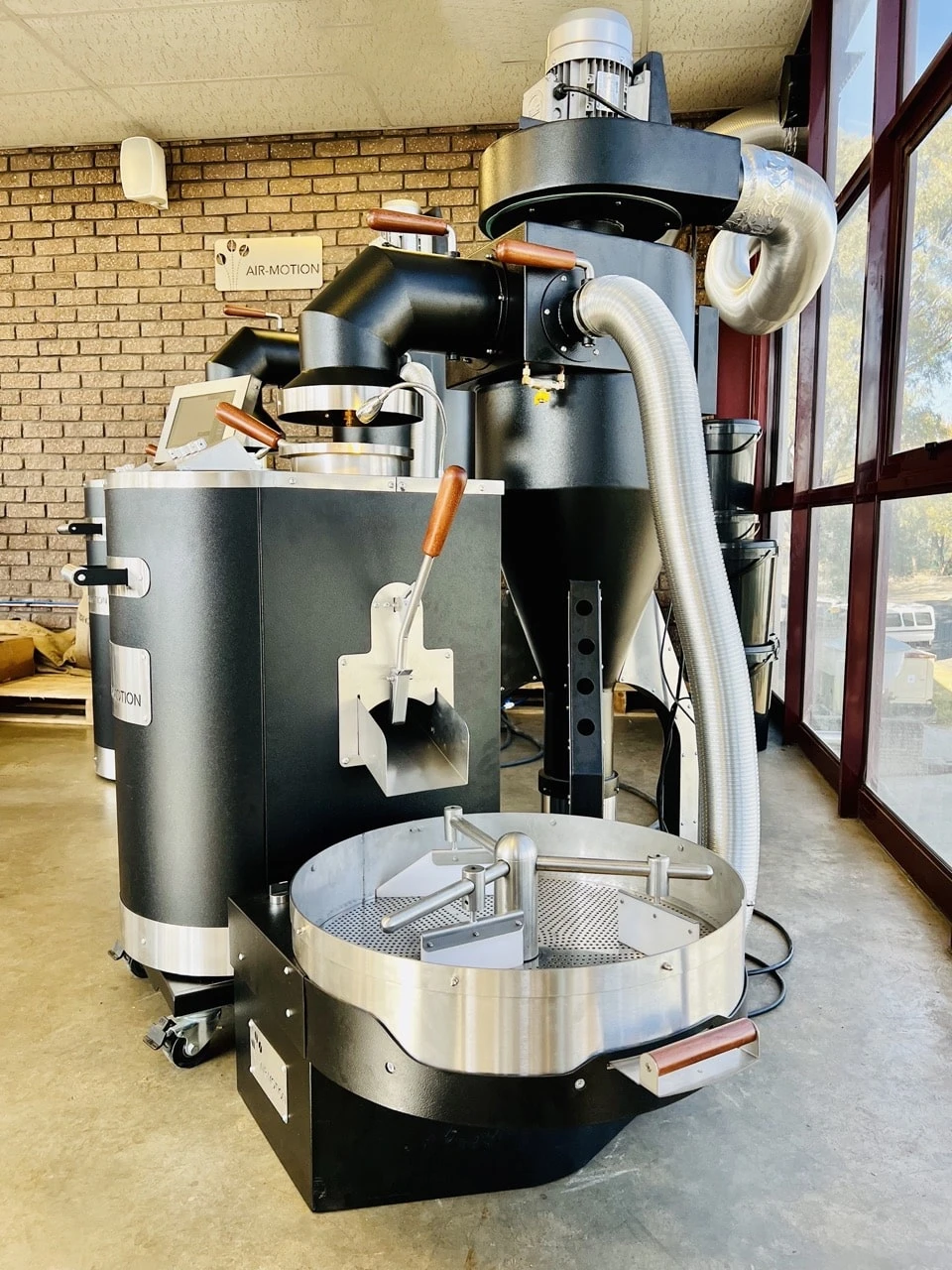
The fluid bed coffee roaster approach naturally directs smoke upward and out through exhaust systems that can be managed with simplified filtration solutions rather than extensive mechanical scrubbing or external ducting expansions.
How Do Air Coffee Roasters Influence Environmental Cleanliness?
Convective heat transfer is the method used by the majority of air coffee roasters. This reduces the amount of pyrolytic residue that sticks to the beans and also prevents charring to a greater extent.
By not allowing smoke to recirculate, the exhaust paths are swiftly removed of byproducts. Because suspended roasting encourages a cleaner thermal pathway, operators often notice brighter aromatics and less residue forming on internal chamber walls.
This reduction in recirculated waste directly affects sensory output and system hygiene. Cleaner exhaust also lowers the particulate burden that contributes to smoky, dense roasting environments.
What Role Does Chaff Removal Play in Reducing Smoke?
Chaff is one of the primary contributors to stale smoke in the roast chamber. When left in heat for too long, it burns, producing sharp, acrid notes. In many roasting environments, this requires extensive ventilation workarounds or frequent duct cleaning. But in suspension roasting, chaff is removed mid-roast rather than at the end.
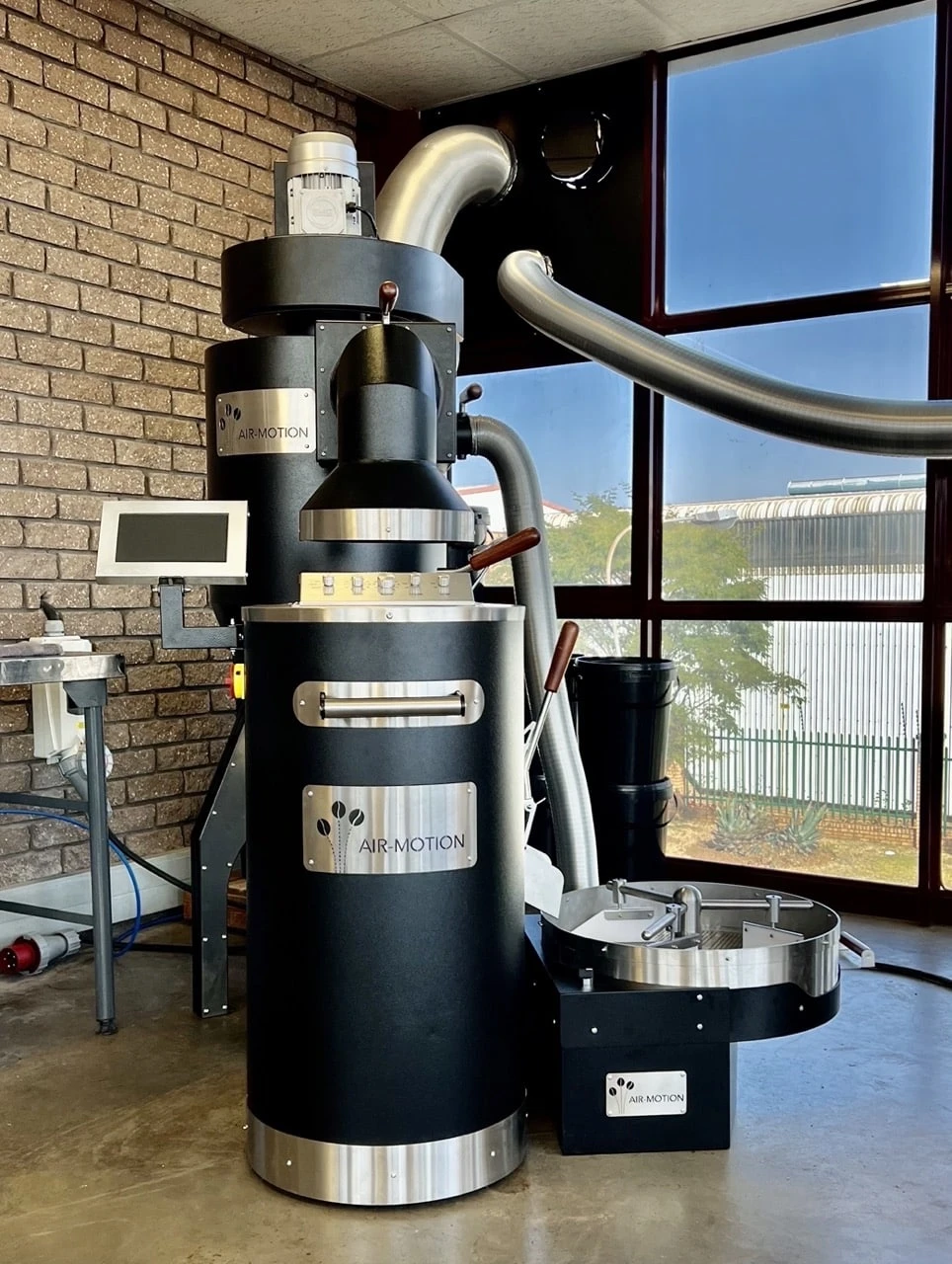
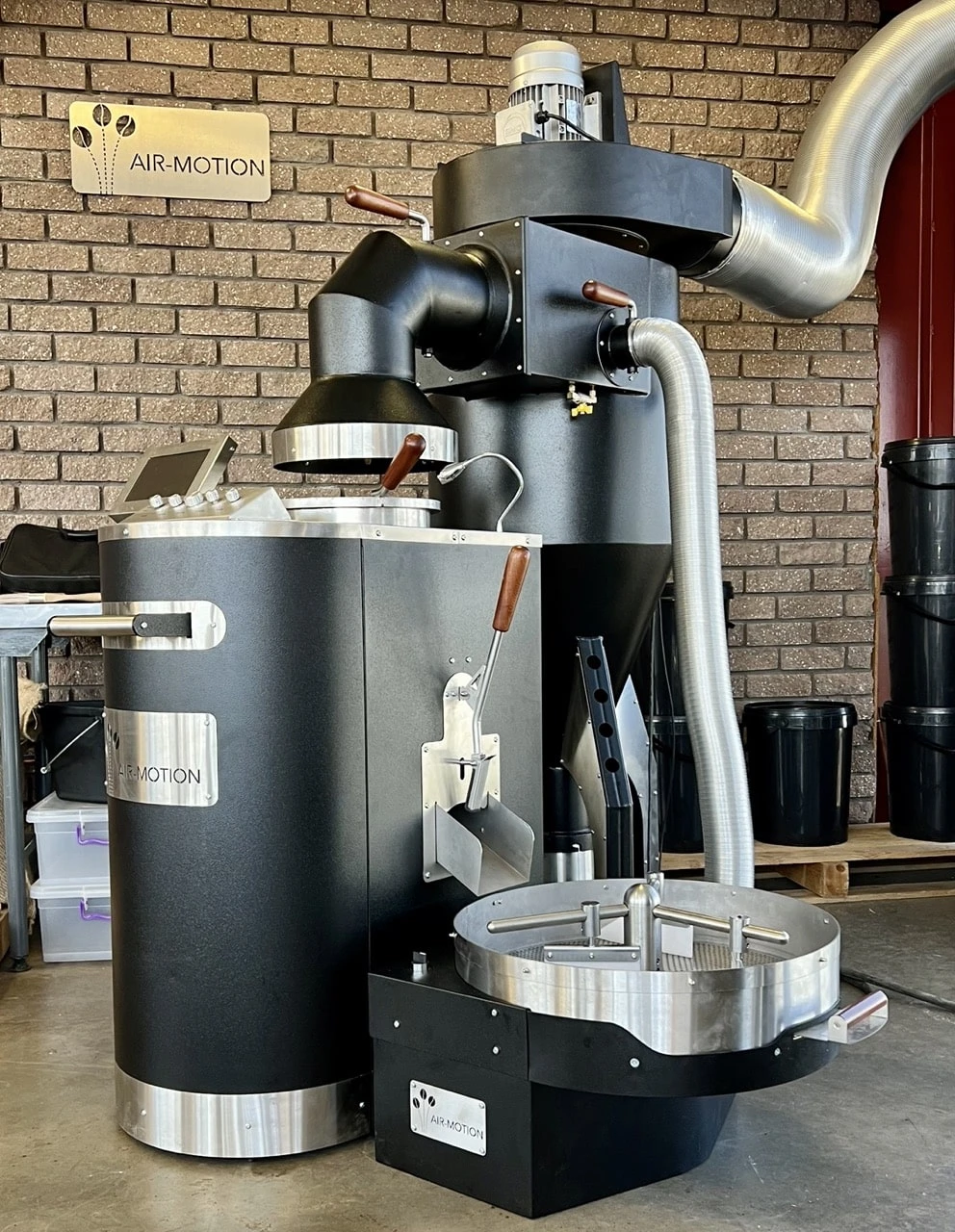
Here, air coffee roasters offer a practical advantage. Their airflow systems channel chaff into a designated collector, reducing both the risk of smoldering and the need to manually clean between batches. This removal happens consistently and predictably, allowing roasters to maintain flavor cleanliness even at higher production volumes.
How Do Airflow and Heat Control Support Flavor Consistency?
The consistent airflow system reduces heat spikes and ensures that each bean receives uniform thermal exposure. The consistency enables the operators to retain floral, nutty, or earthy notes, and at the same time not to introduce the burning smell accidentally.
A fluid bed coffee roaster, in contrast to metal surface heat absorption, controls the roast curve through the application of precise air pressure and temperature control. This approach supports precise adjustments during critical phases such as first crack, helping maintain control without requiring compensatory cooling measures or overcorrection mid-roast.
What About Air-Motion vs Hybrid Coffee Roasters?
When comparing air-motion vs hybrid coffee roasters, suspension-based systems tend to produce cleaner exhaust streams because their airflow pathway is foundational rather than supplementary. Hybrid roasters combine drum and airflow methods, which can enhance heat versatility but may also allow occasional residue retention if ventilation is not optimized.
Operators evaluating long-term maintenance, sensory consistency, and particulate management often assess how each system handles airflow velocity, exhaust integration, and chaff extraction timing. A system built around suspension roasting usually maintains a cleaner roasting atmosphere by design rather than remediation.
The Last Word
Cleaner roasting is not only about taste—it supports operational sustainability, sensory consistency, and a more stable working environment. A fluid bed coffee roaster reduces smoke contamination through suspension-based heat transfer, active chaff separation, and continuous airflow circulation, keeping flavor clarity intact across batches.
For roasting operations focused on maintaining product identity, repeatability, and air quality, understanding airflow systems becomes a meaningful step toward long-term precision and better flavor outcomes worth returning to again.
























Sign in to leave a comment.