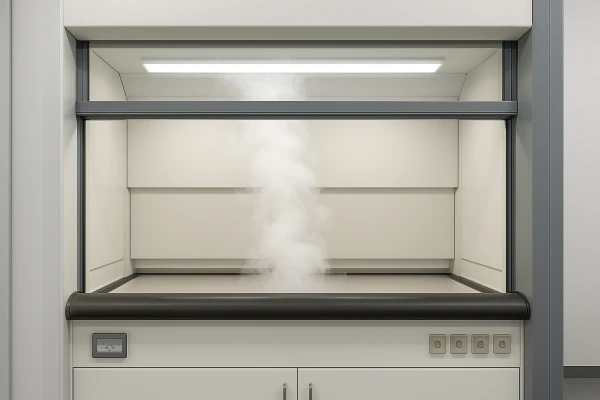
Walk into any modern laboratory and you’ll notice a calm but focused buzz in the air—gloved hands measuring chemicals, instruments humming quietly, and technicians moving from station to station. Among all the equipment, one unit stands out because of how crucial it is for safety: the lab fume cupboard.
Even though it looks like a simple glass-fronted cabinet, its importance can’t be overstated. A lab fume cupboard protects users from harmful vapours, chemical fumes, and airborne contaminants that would otherwise drift into the breathing zone. Without it, even routine experiments could expose people to invisible but dangerous substances.
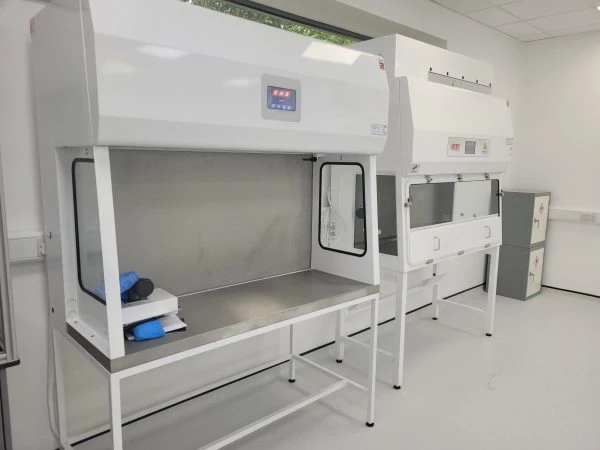
A Silent Protector in Everyday Lab Work
Picture a basic reaction involving acids or volatile solvents. The fumes may not always be strong enough to smell, but they can still irritate the lungs or cause long-term health issues. That’s why the fume cupboard acts like a barrier, pulling hazardous air away from the user and making the space safer to work in.
Many researchers say that knowing their fume cupboard is working properly gives them the confidence to focus on precision rather than worry about exposure. In schools, pharmaceutical labs, and research centres, this confidence leads to better concentration and fewer safety risks.
Companies such as Ventxlabs Ltd have become trusted names because they design fume cupboards that combine reliability, smooth airflow, and long-term durability—qualities every lab depends on daily.
Why Choosing the Right Fume Cupboard Matters
Not every fume cupboard offers the same level of protection. Older or poorly maintained units can lose airflow strength, allowing small amounts of chemical vapour to escape without anyone noticing.
Here are a few important features that modern laboratories look for:
1. Strong and Stable Airflow
A good fume cupboard maintains steady inward airflow. Any drop in performance can weaken protection, especially during complex experiments.
2. Reliable Filtration or Ducting
Fume cupboards come in two main types:
Ducted systems, which vent contaminated air outside the building.
Ductless (filtered) systems, which clean contaminated air using specialised filters before recirculating it safely.
Both have their advantages, and the best choice often depends on the type of chemicals used in the lab.
3. Built-In Safety Features
These include alarm systems for low airflow, smooth sash movement, spacious interiors and excellent visibility for precise work.
4. Energy Efficiency
Modern units offer improved airflow technology that protects users without consuming excessive energy.
When labs choose high-quality equipment from specialists like Ventxlabs Ltd, they are investing in consistent safety and long-term performance.
Also Read: What Are Fume Extraction Systems and Why Your Workplace Needs Them
How a Fume Cupboard Shapes the Lab Experience
Imagine a full workday in a busy research lab. From early-morning sample preparation to late-evening testing, the fume cupboard works continuously in the background. Technicians lean in to measure chemicals, researchers perform sensitive experiments and students observe reactions they’ve only read about in textbooks.
The beauty of a well-designed fume cupboard is that it blends into the workflow. It doesn’t slow anyone down—if anything, it supports smoother, more confident work. When people trust their environment, they perform better.
Some labs even organise their entire layout around the placement of fume cupboards, ensuring that risky procedures take place where ventilation is strongest.
Understanding Local Exhaust Ventilation (LEV)
Many people hear the term local exhaust ventilation and immediately think of a fume cupboard, but the concept is much broader. Local exhaust ventilation refers to a complete system designed to capture harmful contaminants right at the point where they are released, stopping them from spreading into the wider workspace.

A lab fume cupboard is actually one type of LEV, but LEV systems are also found in many other environments, including welding stations, paint workshops, pharmaceutical factories, woodworking units and specialised chemical labs.
The purpose of local exhaust ventilation is simple:
to prevent workers from breathing hazardous dust, fumes, vapours or aerosols.
A functional LEV system usually includes:
A capture hood to collect contaminants
Ductwork to carry contaminated air
An air cleaner or filter
A fan to keep air moving
A safe discharge point
When designed well, LEV systems make a dramatic difference in workplace safety. But like fume cupboards, they need regular checks, testing and maintenance. Over time, filters clog, fans slow down and airflow reduces—often without visible signs. Working with experienced providers such as Ventxlabs Ltd helps ensure that both fume cupboards and LEV systems remain reliable and compliant.
Final Thoughts
A lab fume cupboard may not make a lot of noise or attract much attention, but it is one of the most important safety tools in any laboratory. It protects researchers from chemical exposure, keeps the environment cleaner and supports more accurate experimental work.
When combined with a well-designed local exhaust ventilation system, laboratories create a much safer environment for everyone who steps inside. And with trusted suppliers like Ventxlabs Ltd, labs can rely on equipment that performs consistently and supports safe, productive research every single day.



















Sign in to leave a comment.