Transporting people with mobility needs requires careful planning, thoughtful design, and reliable vehicles. Used handicap buses provide an effective and practical solution for institutions that serve students, patients, or community members. These vehicles allow staff to organize trips efficiently while giving passengers comfort, safety, and independence. For organizations, accessible transport is more than a way to get from point A to point B. It is a tool to make travel fair, smooth, and respectful for everyone. A well-designed vehicle helps passengers feel included and empowered during each journey.
Ensuring Easy Access for Everyone
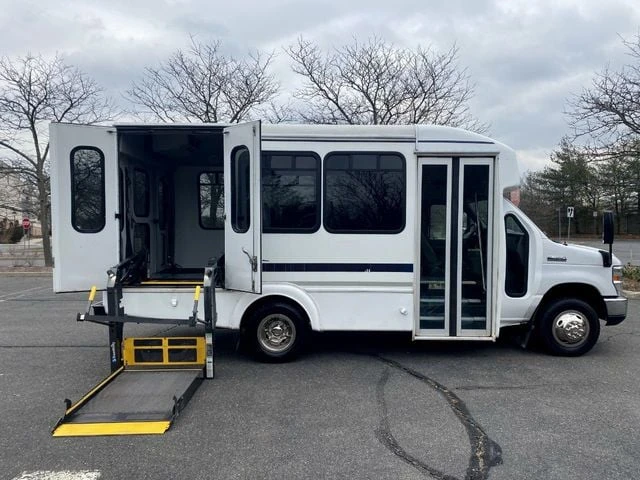
One of the key advantages of handicap buses is that they make boarding and exiting simple. Ramps, lifts, and wide doors allow passengers to enter the vehicle without struggling or needing excessive assistance. This accessibility supports staff in managing trips efficiently and ensures that passengers of all abilities can travel safely and confidently.
For example, in a school setting, students using wheelchairs can get on and off the bus without waiting for multiple staff members to assist. In hospitals, patients recovering from surgeries can board quickly and safely, reducing stress for both staff and passengers. Community centers benefit similarly, making group trips inclusive for all members.
Accessible transport also ensures that daily routines, school trips, medical appointments, or community events happen on time. Staff can manage trips efficiently while passengers move comfortably and confidently.
Promoting Comfort and Well-Being
Travel can be stressful for people with mobility challenges, especially if vehicles are cramped or difficult to navigate. Handicap buses are designed with stable seating, ample space, and secure areas for wheelchairs, allowing passengers to relax and feel safe.
Comfortable travel also promotes physical and emotional well-being. When passengers feel secure and supported, they are more likely to participate actively in school programs, medical appointments, or community events. For instance, a patient on a hospital visit will arrive feeling less anxious, while students on a field trip can stay calm and enjoy the experience. This makes the entire trip more positive for both passengers and staff.
Reliable and Safe Travel
Institutions that manage multiple trips per day need transport they can depend on. Used handicap buses are built to perform consistently, reducing the risk of breakdowns or delays. Reliable vehicles ensure that schedules are maintained, helping staff organize routes and trips smoothly.
Dependable transport gives passengers confidence. They know they will reach their destination safely, on time, and with support available if needed. Staff also feel secure managing trips because the vehicle is predictable and reliable.
Encouraging Independence and Confidence
A major benefit of handicap buses is that they allow passengers to maintain independence. Features like easy-to-use lifts and secure seating let individuals board and settle in on their own whenever possible.
Independence is particularly important for students learning to manage daily routines, patients gaining confidence in mobility, or community members participating in social programs. When passengers can manage part of the trip themselves, it promotes self-esteem, inclusion, and a sense of accomplishment.
Safety as a Priority
Safety is a fundamental aspect of group transport. Handicap buses are equipped with secure seating, stable handling, and clear boarding procedures. Staff can focus on guiding passengers and managing the trip rather than worrying about risks or accidents.
Safety also gives passengers peace of mind. Knowing that staff and the vehicle are prepared for mobility challenges allows everyone to focus on the purpose of the trip rather than the logistics. For instance, a community group traveling to a local event can enjoy the journey without worrying about slips, falls, or sudden stops.
Practical and Cost-Effective Solution
Used handicap buses are also practical. They provide essential accessibility features without the high cost of brand-new vehicles. Schools, hospitals, and community centers can allocate resources to other areas while still maintaining safe, reliable, and accessible transport.
Cost-effectiveness also means that transport can be used more flexibly. Institutions can plan extra trips, reach more passengers, or provide transport for unexpected needs without compromising safety or comfort. A school can run multiple field trips, a hospital can manage patient appointments, and a community center can organize social outings—all using the same reliable vehicles.
Supporting Inclusion and Respect
Ultimately, the value of handicap buses lies in the way they make passengers feel. By providing accessible, comfortable, and safe travel, these vehicles help passengers participate fully and feel treated as equals. Thoughtful transport enhances inclusion, strengthens trust between staff and passengers, and ensures every journey is respectful and dignified.
For example, students feel like valued participants in school trips, patients feel respected during hospital visits, and community members feel like active participants in social programs. These experiences help create a supportive environment and improve overall satisfaction for everyone involved.
Enhancing Daily Operations
Handicap buses also make daily operations simpler. With accessible boarding, secure seating, and ample space, staff can manage multiple trips efficiently without unnecessary delays. Scheduling becomes easier, and passengers can travel without feeling rushed or stressed.
The vehicles help create a routine where both staff and passengers know what to expect. This improves efficiency and ensures a consistent, professional approach to group travel.
Final Thoughts:
Used handicap buses are ideal for schools, hospitals, and community centers because they combine accessibility, comfort, safety, and independence. They allow staff to manage trips efficiently while giving passengers confidence and dignity during every journey. Institutions can also consider used non-CDL shuttle buses as an affordable and practical option to expand transport capacity, maintain reliable schedules, and continue providing inclusive and professional service for all passengers.


























Sign in to leave a comment.