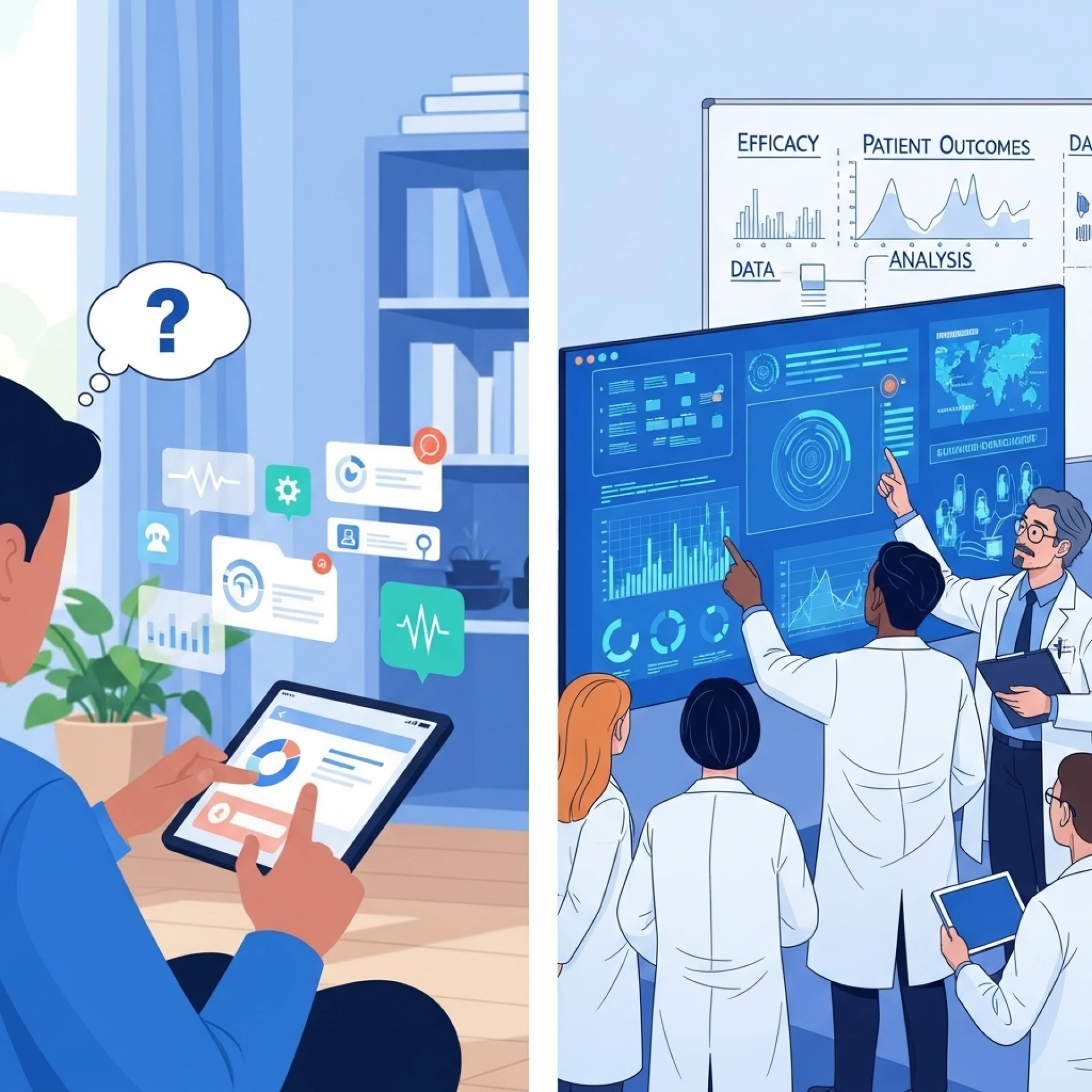

In the world of medical science there is a famous saying if it is not written down it never happened this might sound a bit harsh but in the field of testing new medicines it is the absolute truth documentation is the foundation upon which every medical breakthrough is built. It is the evidence that proves a drug is safe for your family and friends to use for those who are just starting out a clinical research course in India usually begins with this very lesson because without proper record-keeping years of hard work and millions of dollars can go to waste.
The Proof of Safety
When a scientist claims that a new pill helps lower blood pressure without causing harm the government does not just take their word for it they demand proof this proof comes in the form of thousands of pages of documents. Every time a patient takes a dose every time they have a headache and every time their blood is tested it must be recorded instantly.
This documentation acts as a trail of breadcrumbs if something goes wrong five years later, researchers can go back to these records to see exactly what happened during the testing phase it protects the patients by ensuring that no detail, no matter how small is ignored or forgotten.
Maintaining Honesty and Trust
Clinical research involves many different people doctors, nurses, corporate sponsors and government regulators documentation ensures that everyone is on the same page. It prevents people from changing the results to make a drug look better than it actually is.
Because these records are checked by independent auditors there is a high level of accountability if a doctor says a patient felt fine but the daily log shows the patient complained of dizziness, the documentation will reveal the truth. This honesty is what allows the public to trust the medicines they buy at the pharmacy.
The Role of the Protocol
As we discussed before the protocol is the rulebook however the documentation is the proof that the rules were followed if the protocol says a patient must be tested every tuesday the documentation must show a date stamp for every tuesday. If a test was missed there must be a written explanation as to why. Without this the entire study could be declared invalid by health authorities meaning the drug can never be sold.
Efficiency and Global Collaboration
Today, clinical trials are often global a study might be happening in India, the USA and Germany all at the same time documentation is the common language that connects these locations. It allows a scientist in one country to understand exactly what happened to a patient in another.
Good record keeping also makes the process faster when information is organized and easy to find the government can review the study more quickly this means life saving medicines can reach the market months or even years earlier which can save thousands of lives.
Precision in Data Management
In the past all of this was done with pens and huge stacks of paper today most of it is digital moving from paper to electronic records has made things more accurate, but it has also made the rules more complex. You have to ensure that the digital files are secure and cannot be tampered with.
Understanding how to manage these complex systems is a specialized skill this is why the choice between online and offline clinical research training has become so significant for job seekers. Offline classes often provide hands on experience with physical filing and hospital settings, while online modules are excellent for learning the software and digital platforms used by global companies. Both methods emphasize that a single mistake in a document can lead to a warning letter from a regulator which is a major setback for any pharmaceutical company.
Legal Protection for Researchers
Documentation also serves as a shield for the people conducting the research if a patient has a negative reaction to a drug the researchers need to prove that they followed all the safety steps and gave the correct dose. If their documentation is perfect it proves they acted professionally and ethically. It shows that the reaction was an unpredictable side effect of the medicine and not a mistake made by the staff.
The Human Side of Paperwork
It is easy to think of documentation as just paperwork but behind every chart is a human being the records tell the story of a volunteer who gave their time to help science. Treating their data with respect and accuracy is a way of honoring their contribution when a data entry clerk or a clinical coordinator double checks a form they are not just doing a task they are ensuring that the volunteers experience is used correctly to help others.
Becoming a Documentation Expert
Because documentation is so vital companies are always looking for people who are naturally organized and detail oriented you do not just need to know the science you need to know the SOPs standard operating procedures and the legal requirements for keeping records it is a career path that rewards those who are disciplined and thorough.
To get started in this high demand field, you need the right guidance enrolling in a reputable training institute in India is the most practical way to learn these skills. These institutes focus on real world scenarios, teaching you how to fill out case report forms, how to handle source documents and how to prepare for an official audit. By mastering the art of documentation you become the backbone of the entire clinical trial process ensuring that the journey from the laboratory to the patient is safe, legal and successful.





















Sign in to leave a comment.