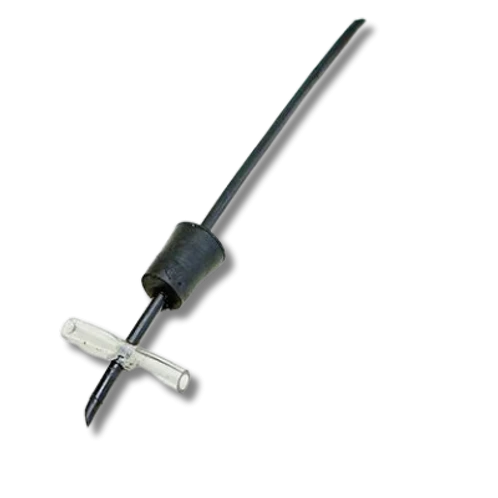

Many people try replacing their drain plugs, expecting a simple solution, but soon run into issues. The most common problems include leaks, poor water flow, or plugs that refuse to stay in place. These failures usually trace back to incorrect size, weak materials, or incompatible designs. Choosing the right drain plug replacement means more than grabbing the first one that looks good. You need a reliable fit that seals properly, resists damage, and works across various sink types without requiring tools or guesswork.
Why So Many Replacements Fail to Work?
Most replacements fail because they do not match the depth or threading of the existing drain. Even slight differences between sink models can lead to gaps, tilts, or loose fits. Buyers often pick up a product labeled “universal,” assuming it works everywhere, but most sinks are not built alike. A plug that does not sit flush or seal tightly causes standing water or even leakage below the basin. Understanding the type of drain in your sink and its actual measurements helps you avoid a costly mistake.
Build Quality Shapes Daily Performance
The material you choose plays a significant role in how the plug performs over time. A metal body offers strength and stays intact through repeated use. Stainless steel prevents rust, handles temperature changes well, and lasts longer than plastic alternatives. On the other hand, plastic plugs often warp or degrade when exposed to hot water or frequent cleaning. A strong plug resists cracking, holds pressure, and keeps its seal. That matters most in high-use areas like kitchen and bathroom sinks, where performance must stay consistent.
Easy Installation Gives More Control
Not every replacement should require tools, sealants, or adjustments. Many users prefer to handle minor fixes on their own. A well-designed drain plug replacement should allow you to install it quickly, press it to open or close, and remove it for cleaning. These simple tasks should feel intuitive. A better replacement fits securely into the drain and locks in place with a push or twist. It should not shift or loosen during daily use. This kind of control helps renters and homeowners handle maintenance with confidence.
Look for Signs Before You Replace Again
Most people do not realize their new plug will not work until it is too late. You can spot signs early if you pay close attention. A replacement may not suit your sink if:
- The plug tilts or does not sit level with the drain opening.
- You see water pooling or draining more slowly than usual.
- The seal appears loose or moves when touched.
These signs suggest an incorrect fit or low-quality construction. Avoid repeating the same error by choosing a plug with strong construction that suits a range of basin shapes.
Avoid Misleading Labels on Generic Products
Many drain plugs claim to offer a one-size-fits-all solution, but few deliver on that promise. Sinks vary in design, so buying a plug without checking the specifications creates new problems. A better choice supports adaptability across sink types and seals tightly without glue or complicated fittings. Look for a design that combines a smooth surface, a firm seal, and easy operation. These features matter more than the packaging claims and ensure the plug fits and works as expected.
Myth vs Fact
Myth: A universal plug works for all drains
Fact: Most sinks require exact size and depth alignment for a secure fit.
Myth: Plastic replacements work just as well as metal versions.
Fact: Plastic plugs often break down from heat and repeated use.
Myth: You need special tools to install a new drain plug.
Fact: Many newer designs offer simple push installation without tools.
Final Words
Replacing a drain plug only works when you choose one that fits both the structure and the purpose. Poor material or the wrong size results in leaks and frustration. A secure plug should seal properly, sit flush with the drain, and handle regular use without shifting or cracking. You need a solution that meets your real needs, not a generic label. If you appreciate functional design like that seen in a flatwater canoe, you already understand that quality and fit always matter. Choose with intention, and the result stays reliable.
























Sign in to leave a comment.