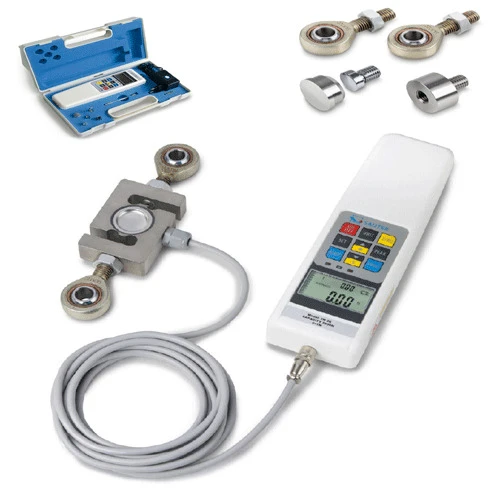

If you’ve ever tried opening a stubborn jar lid and felt that brief struggle, you’ve already experienced a tiny version of what a Force Gauge is designed to measure. These tools may not get much attention, but industries rely on them every single day. Whether it’s manufacturing, automotive testing, packaging, or medical equipment production, Force Gauges make sure products are strong enough, safe enough, and reliable enough to be used in the real world.
Think of a Force Gauge as the storyteller of tension and pressure. It reveals how much force an object can take before it bends, breaks, or loses shape. And in a world where quality standards are rising every year, these measurements have become essential.
Understanding Force Gauges in Simple Terms
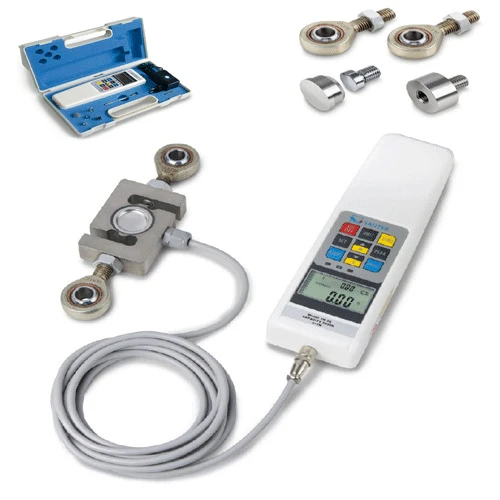
A Force Gauge measures push or pull force. It’s like the advanced, highly accurate cousin of the spring scale many of us used in science classes. There are two main types:
Mechanical Force Gauges
These use springs and mechanical components. They’re tough, simple, and great for quick checks when digital precision isn’t necessary.
Digital Force Gauges
These modern instruments offer high accuracy and easy-to-read displays. Many can store data, connect to computers, and support detailed analysis—making them ideal for industries where precision directly impacts safety or performance.
Force Gauges measure:
Tension (pulling force)
Compression (pushing force)
Breaking strength
Friction levels
Peel or tear resistance
These values influence product design, testing, safety checks, and day-to-day quality control.
Also Read: Top 10 Applications of Force Gauges in Industry & Quality Control
Where Force Gauges Make a Real Impact
Here are a few real examples that show how essential they are:
Manufacturing
Before a plastic bottle reaches store shelves, it must pass compression tests. A Force Gauge determines how much pressure it can withstand without collapsing. This prevents breakage during transport or storage.
Automotive Industry
A simple car seatbelt clip undergoes several pulling tests to check its durability. If it fails, the consequences can be serious. Force Gauges make sure these components are strong enough to save lives.
Electronics
Tiny buttons and connectors in gadgets must feel right when pressed. If the force required is too light or too heavy, the user experience suffers. Digital Force Gauges help manufacturers find the perfect balance.
Medical Devices
Syringes, prosthetics, and surgical tools must all meet strict force requirements. A Force Gauge ensures each part performs safely and consistently.
Why Accuracy Matters So Much
In quality control labs, even a small difference in force measurement can lead to product failure. Think of a packaging machine applying slightly too much force—it could crush boxes and damage goods. Accurate Force Gauges prevent this.
When readings are precise, companies benefit from:
Better product longevity
Fewer customer complaints
Reduced risk of product recalls
Consistent manufacturing processes
Accuracy isn’t just about numbers. It’s about trust, reliability, and safety.
Checkweighing Scales: A Different But Equally Important Tool
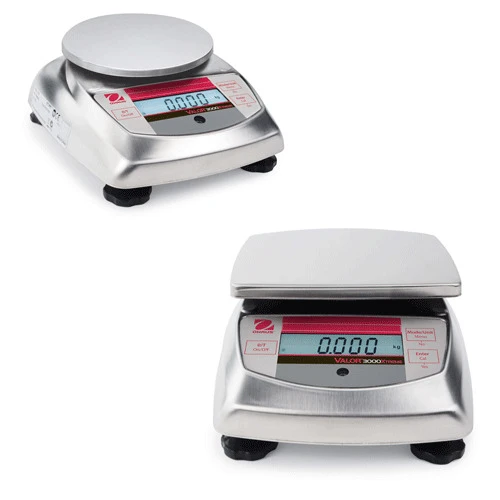
While Force Gauges measure the strength of a product, Checkweighing Scales help ensure products are correct by weight. These scales quietly work behind the scenes in countless industries, maintaining fairness, consistency, and compliance.
Imagine a snack manufacturer. Each packet must contain the exact amount of product promised on the label. A few grams more increases cost; a few grams less upsets customers. Checkweighing Scales catch mistakes instantly, helping companies maintain accurate filling and packaging.
In the pharmaceutical world, the weight of tablets and capsules matters a lot. Checkweighing Scales verify that each unit falls within the approved range. They also help reduce waste since companies can fine-tune processes based on weight trends.
Even large-scale production lines rely on these systems. They run continuously, checking every item on a conveyor and rejecting anything that doesn’t meet standards. This improves efficiency and avoids long-term errors that could cost thousands.
In short, just as Force Gauges ensure strength, Checkweighing Scales ensure consistency. Both tools support quality control from different angles, helping industries deliver products that consumers can trust.
How to Choose the Right Force Gauge
If you're thinking about selecting one, consider these factors:
Range of measurement (light-duty or heavy-duty testing)
Accuracy requirements
Digital vs. mechanical display
Data storage needs
Durability in harsh conditions
Ease of calibration
Many companies pair Force Gauges with test stands. These stands stabilize the testing process, reduce human error, and ensure repeatability—especially important for high-volume testing environments.
Final Thoughts
Whether it’s checking the strength of a bottle cap, testing a car’s safety component, or weighing a snack packet on Checkweighing Scales, modern industries rely heavily on precise and dependable tools. Without accurate measurement systems, product quality would be inconsistent, safety risks would increase, and customer trust would weaken.
As companies continue to innovate and raise their standards, the demand for reliable testing instruments will only grow. For many professionals, brands like Scales and Balances offer trusted solutions that support accurate, efficient, and long-lasting performance across various industries.
When it comes to quality control, the right tools don’t just measure—they make all the difference.


























Sign in to leave a comment.