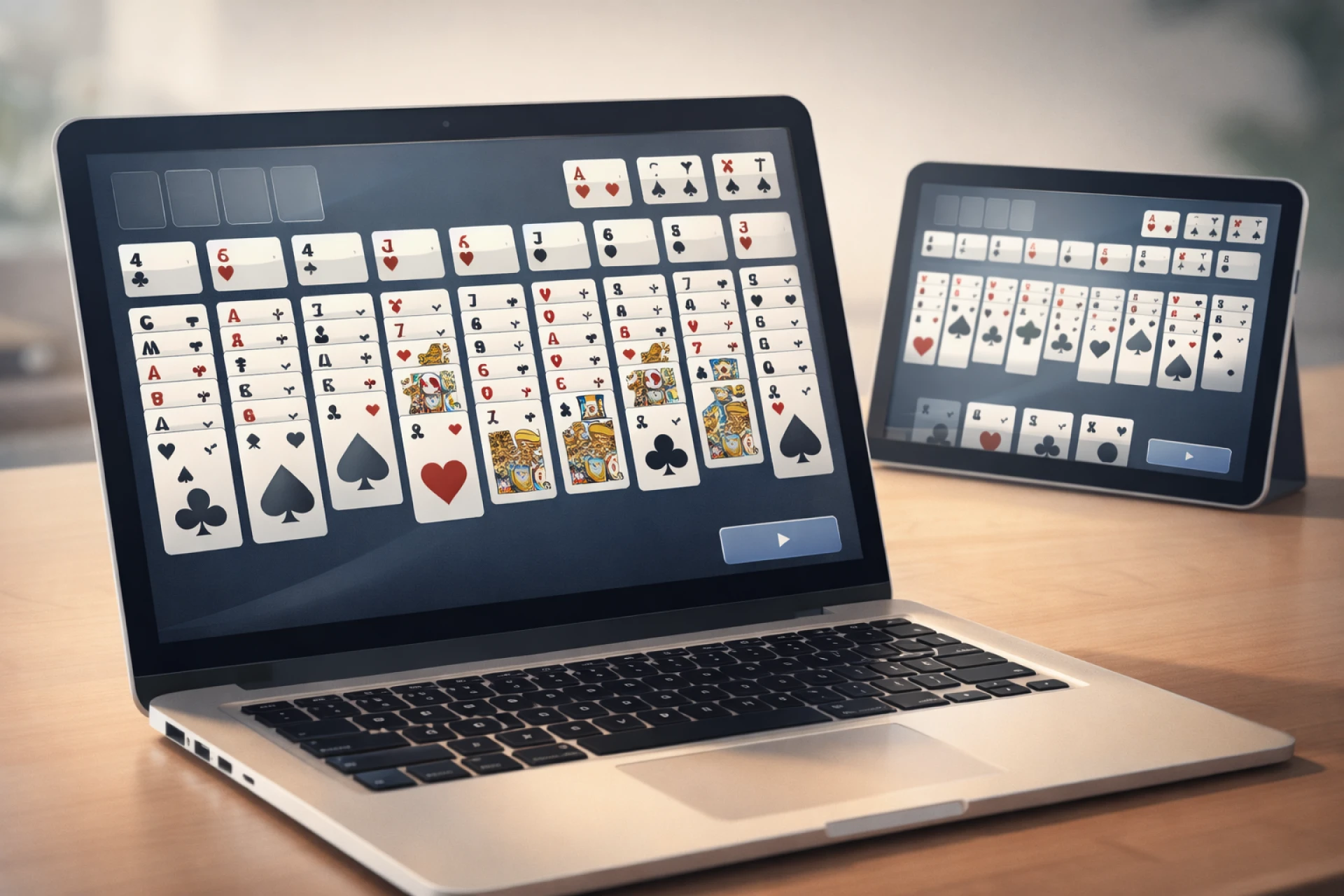
FreeCell vs Solitaire are among the most popular single-player card games, often grouped together because they share a common deck and similar objectives. However, anyone who has spent time with both quickly notices that FreeCell feels far more demanding. While Solitaire offers a relaxed, luck-friendly experience, FreeCell challenges players with logic, planning, and precision.
The difficulty gap between these two games is rooted in their design. FreeCell removes randomness and forces players to rely entirely on skill. This article explains exactly why FreeCell is harder than Solitaire and what makes it a more intense mental challenge.
Why Does Full Card Visibility Make FreeCell More Difficult?
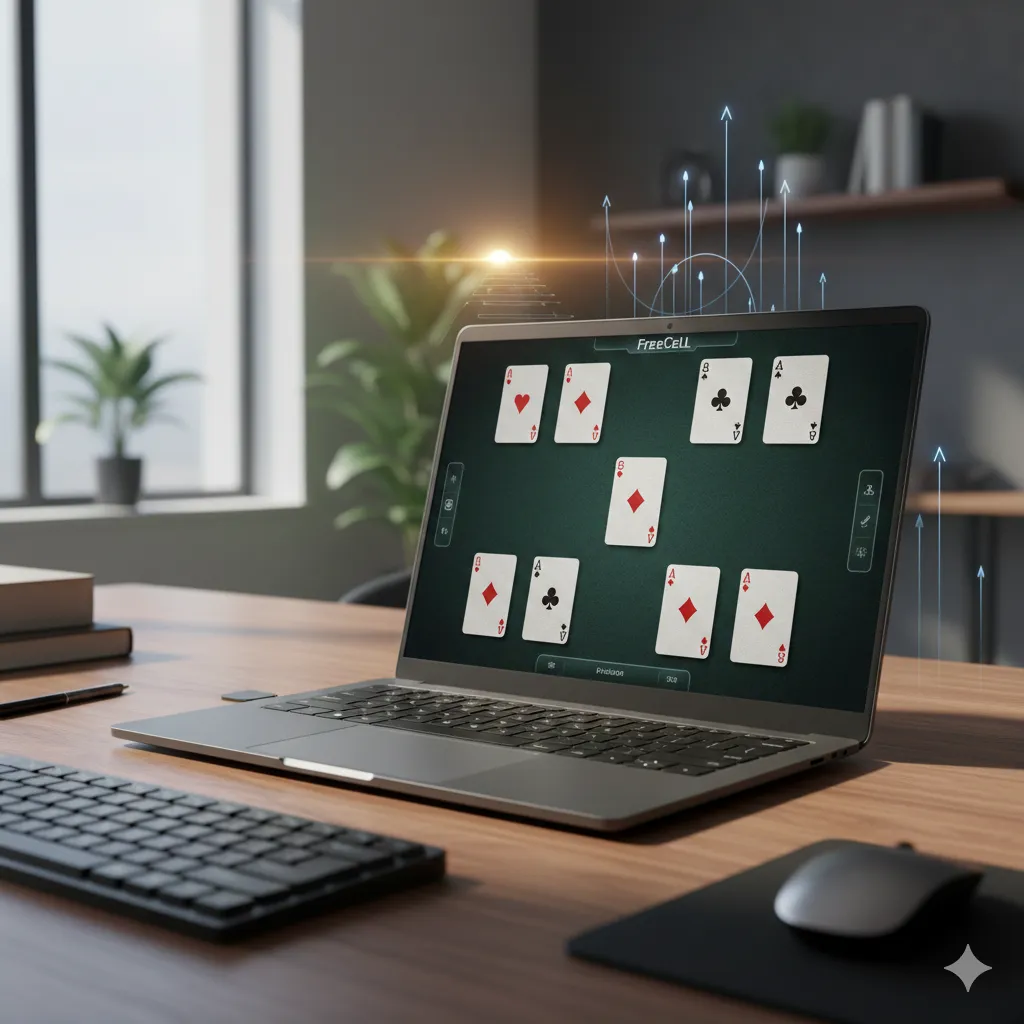
FreeCell deals all 52 cards face up from the very beginning. This design choice fundamentally changes how the game is played.
No Hidden Cards Means No Second Chances
In Solitaire, many cards remain hidden and are revealed gradually. A fortunate card flip can often rescue a weak position. FreeCell offers no such luck-based recovery.
Because everything is visible in FreeCell:
- Every decision has immediate consequences
- Poor planning is obvious and irreversible
- Players must analyze the entire layout at once
This full visibility transforms Freecell strategy turn the Freecell into a strategic puzzle rather than a casual card game.
Why Is FreeCell Considered a Skill-Based Game?
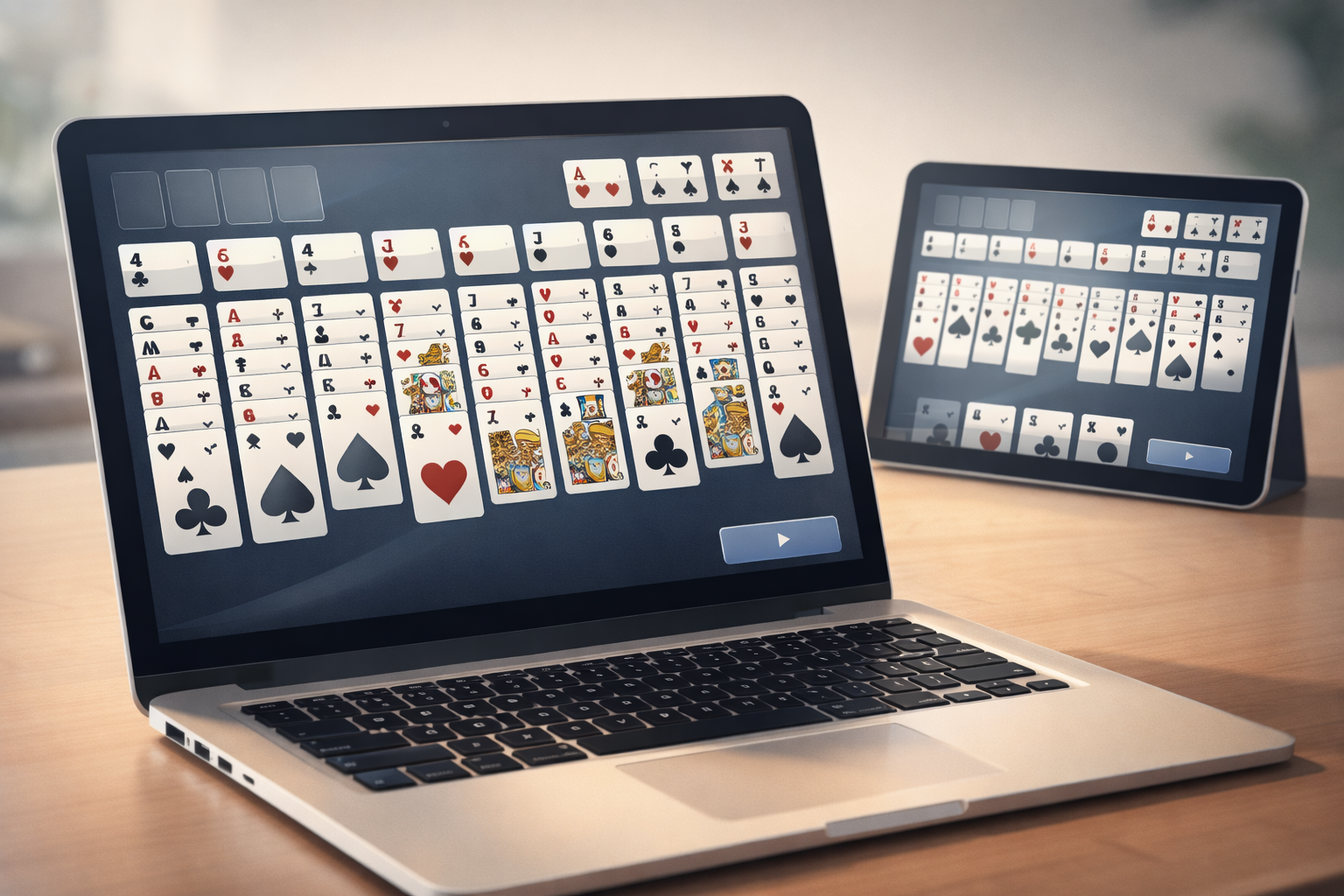
FreeCell is widely regarded as one of the most skill-focused solitaire games ever created. Nearly all deals are solvable, but only if played correctly.
How Skill Replaces Luck in FreeCell
Solitaire allows randomness through hidden cards and a draw pile, meaning wins and losses are often influenced by chance. FreeCell playing online for free removes this safety net.
In FreeCell:
- Success depends on correct sequencing
- Logical planning determines the outcome
- Losses usually result from player error
This level of accountability makes FreeCell more challenging and mentally demanding than Solitaire.
How Do Limited Free Cells Increase the Difficulty?
FreeCell provides only four free cells for temporary card storage, and this limitation plays a major role in the game’s difficulty.
Space Management Is Critical
Free cells must be used with extreme care. Filling them too early restricts movement and can trap important cards. Unlike Solitaire, there is no draw pile or redeal option to recover from poor space management.
Key strategic pressures include:
- Deciding when to use or preserve free cells
- Creating empty tableau columns at the right time
- Planning several moves ahead to avoid dead ends
These constraints force players to think long-term, making FreeCell far less forgiving than Solitaire.
Why Are Mistakes More Punishing in FreeCell Than Solitaire?
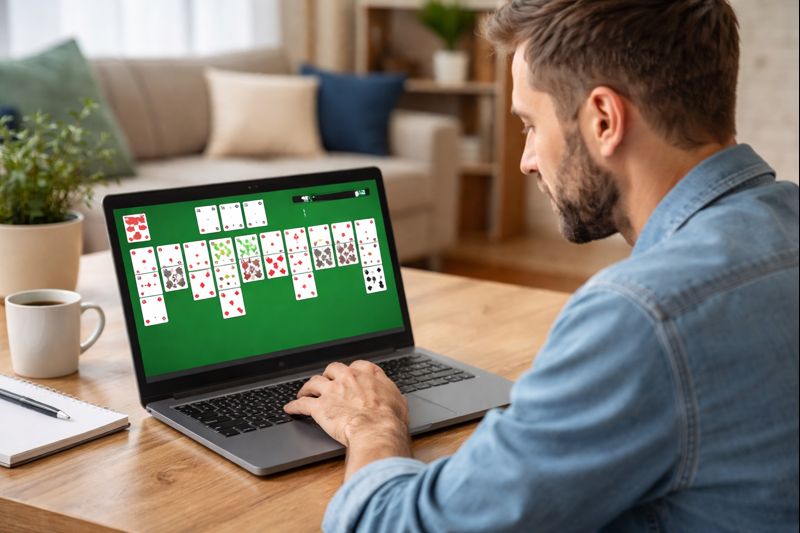
FreeCell does not hide the consequences of mistakes. Errors made early in the game often lead to blocked cards and unsolvable positions later.
In Solitaire, mistakes can remain hidden under face-down cards, and lucky draws may compensate for poor decisions. FreeCell provides no such protection. Once a card is trapped or a free cell is misused, the damage is visible and often permanent.
This harsh penalty system increases pressure and forces players to approach every move with caution.
Why Does FreeCell Require More Mental Effort Than Solitaire?
FreeCell places a much higher cognitive demand on players compared to Solitaire. It requires constant attention and problem-solving rather than reactive play.
Solitaire can be relaxing and repetitive, while FreeCell continuously engages the brain. Players must track multiple card relationships, anticipate future moves, and avoid blocking essential paths.
There is also a psychological factor. Because FreeCell is considered winnable, losing feels personal. Players know the failure was caused by a decision they made, which increases mental strain and perceived difficulty.
Conclusion
FreeCell is harder than Solitaire because it replaces luck with logic. With all cards visible, limited space, strict movement rules, and no second chances, every move matters. The game demands planning, discipline, and foresight, turning each deal into a complex puzzle.
Solitaire remains popular for its simplicity and forgiving nature, but FreeCell stands out as a true test of skill. For players who enjoy strategic challenges and meaningful victories, FreeCell offers a deeper and more rewarding experience.





















Sign in to leave a comment.