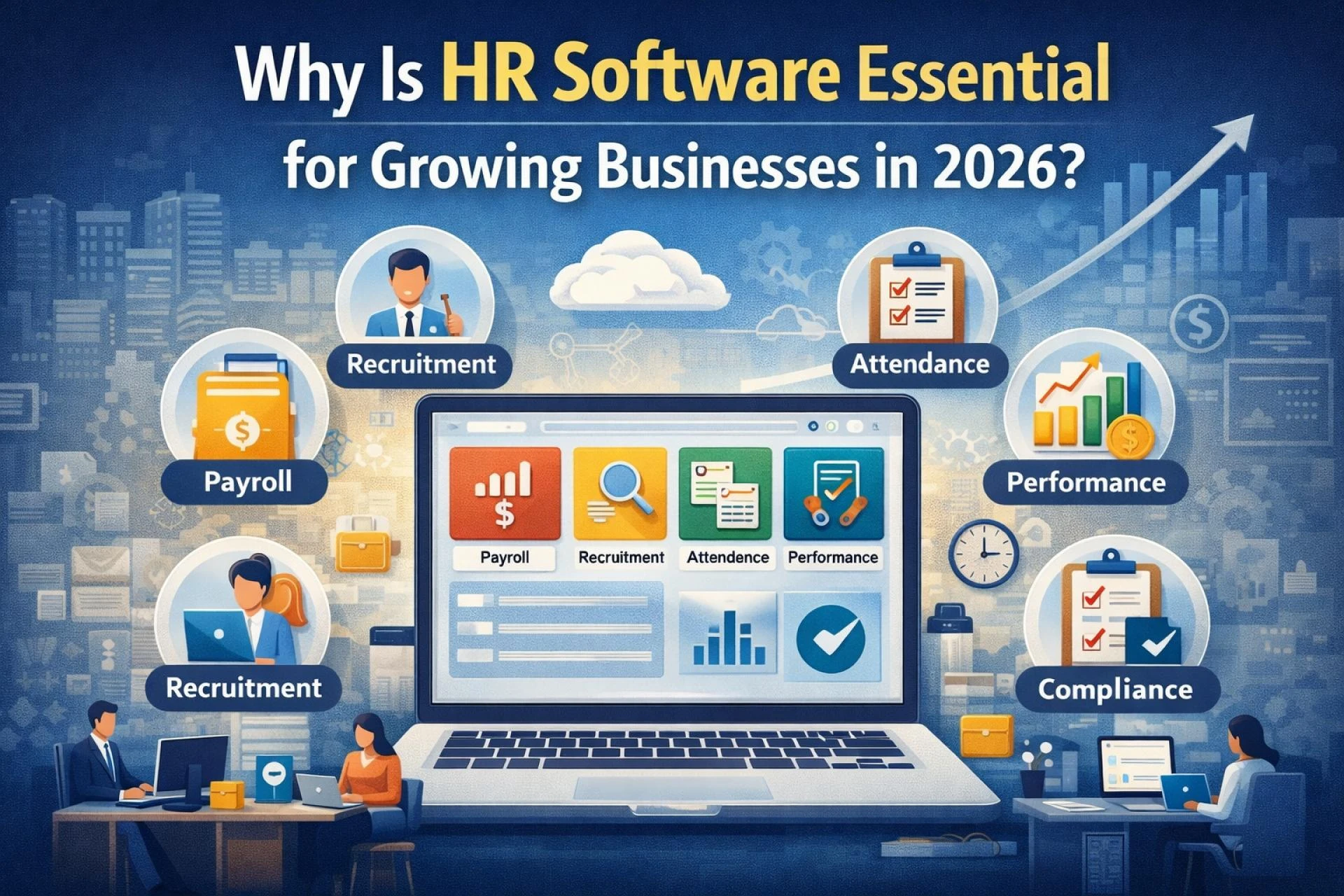

Introduction: Growth Brings New HR Challenges
Businesses in 2026 are growing faster than ever. Startups are scaling in months. Mid-sized companies are expanding into new cities and even new countries. Remote and hybrid teams are now common.
But growth brings pressure.
As the workforce expands, managing payroll, attendance, recruitment, and compliance becomes complex. Manual spreadsheets and disconnected systems no longer work. Labor laws are evolving. Data security expectations are higher. Employees expect smooth digital experiences.
This is where HR Software becomes essential.
HR Software is no longer just an administrative tool. It is a strategic system that supports workforce growth, improves compliance, and strengthens employee engagement. For growing businesses in 2026, it is a necessity—not a luxury.
What Is HR Software?
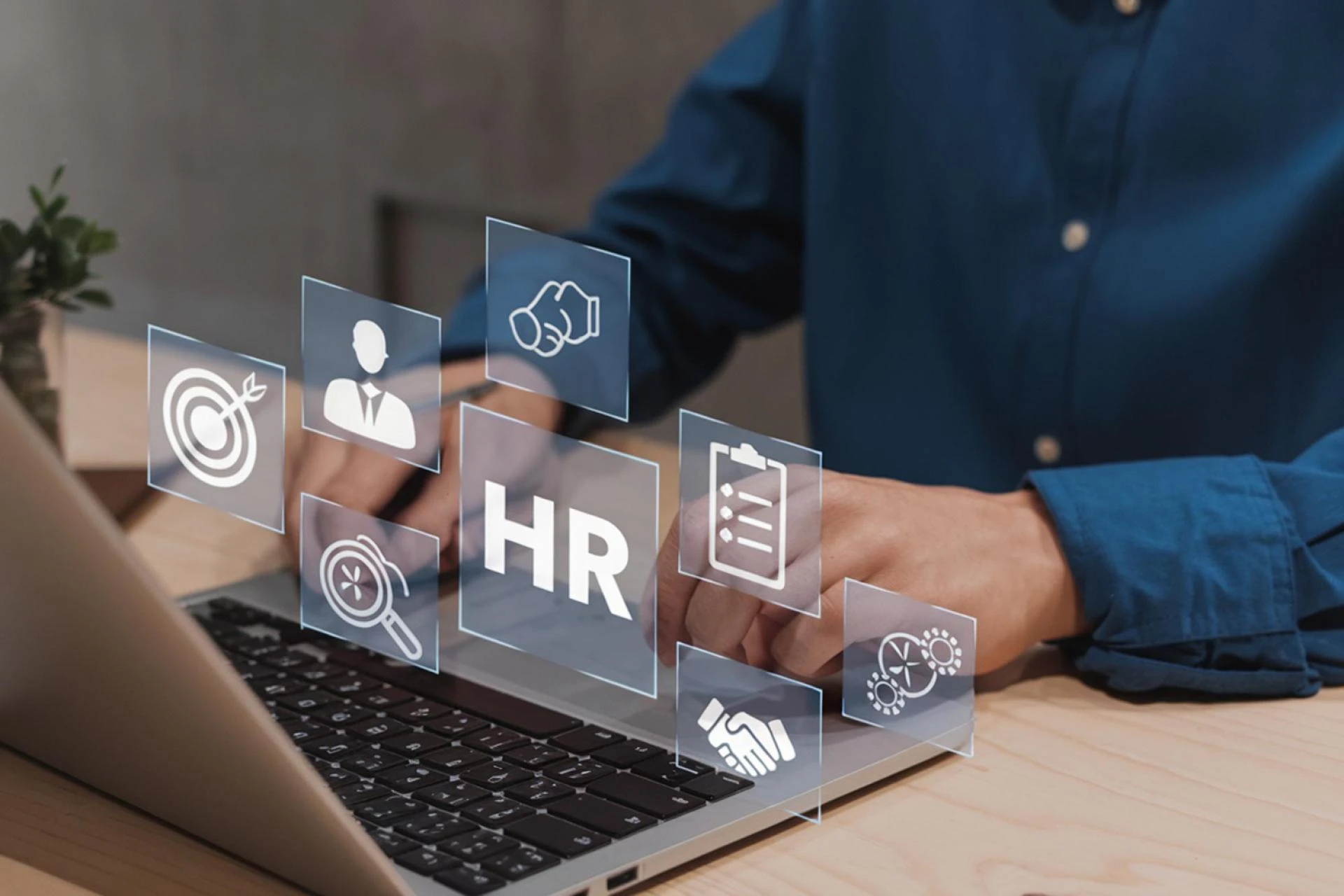
HR Software is a digital platform that helps organizations manage employee-related processes in one centralized system. It acts as a complete human resource management system designed to automate and streamline HR functions.
Modern HR Software typically includes:
- Payroll management software
- Employee attendance tracking
- Leave management system
- Recruitment management system
- Performance management system
- HR analytics and reporting
- Compliance management software
Earlier, companies used separate tools for payroll and attendance. Today, most businesses prefer cloud-based HR solutions that combine everything into one platform.
These systems store employee data securely, automate repetitive tasks, and provide real-time insights. In 2026, HR Software is often integrated with accounting, project management, and finance tools to create a connected ecosystem.
Why Growing Businesses Need HR Software in 2026
As companies grow, HR processes become more complex. Let’s understand why HR Software is critical for scaling businesses.
1. Automation Reduces Manual Errors
Manual payroll calculations and attendance logs often lead to mistakes. Even small errors can affect employee trust and compliance.
HR automation tools reduce human errors by:
- Automatically calculating salaries and deductions
- Generating payslips
- Tracking attendance digitally
Automation saves time and improves accuracy.
2. Improved Compliance Management
Labor laws, tax rules, and reporting requirements are constantly changing. Non-compliance can result in penalties.
Compliance management software built into HR Software helps businesses:
- Track statutory requirements
- Maintain digital records
- Stay audit-ready
This reduces legal risks.
3. Better Employee Experience
Employees expect digital convenience. They want quick access to payslips, leave balances, and performance feedback.
A modern HR Software platform enhances transparency and communication.
4. Data-Driven Decisions
Growing businesses need accurate data to make smart decisions. HR analytics and reporting tools provide insights into:
- Employee turnover
- Hiring trends
- Performance metrics
- Workforce costs
This supports better workforce planning.
5. Scalability
As headcount increases, processes become harder to manage manually. HR Software scales with the business, whether you have 20 employees or 2,000.
Key Benefits of HR Software for Expanding Companies
Let’s look at practical benefits that expanding companies experience.
Faster Hiring Process
A recruitment management system streamlines:
- Job postings
- Resume tracking
- Interview scheduling
- Candidate communication
This reduces time-to-hire and improves recruitment efficiency.
Real-Time Attendance Tracking
Employee attendance tracking ensures accurate working hours and overtime calculations. It reduces disputes and improves productivity monitoring.
Accurate Payroll Processing
Payroll management software ensures:
- Correct salary calculations
- Timely payments
- Tax deductions
- Compliance with regulations
Accurate payroll builds employee trust.
Centralized Employee Database
HR Software creates a single database for all employee records. This includes:
- Personal information
- Employment history
- Salary details
- Performance reviews
A centralized system improves record accuracy and accessibility.
Improved Performance Monitoring
A structured performance management system helps track goals, feedback, and evaluations. Managers can identify top performers and areas that need improvement.
For growing businesses, this helps align employees with company objectives.
Role of HR Software in Compliance & Risk Reduction
Compliance is a major concern in 2026. Regulations around data privacy, taxation, and labor standards are stricter.
HR Software plays a critical role in reducing risk.
Tax and Labor Law Compliance
Payroll modules automatically calculate statutory deductions. Built-in compliance management software ensures adherence to local laws.
This reduces the risk of fines and penalties.
Digital Record Keeping
Maintaining paper records is risky and inefficient. Cloud-based HR solutions store documents digitally, making retrieval easy during audits.
Audit Readiness
With HR analytics and reporting, businesses can quickly generate reports for:
- Tax authorities
- Internal audits
- Financial reviews
This improves transparency.
Data Security and Privacy
Employee data is sensitive. Modern HR Software includes:
- Secure login systems
- Role-based access
- Data encryption
This protects personal and financial information.
By reducing manual handling of data, HR Software minimizes the risk of data breaches.
How HR Software Improves Employee Experience
Employee satisfaction directly affects productivity and retention. HR Software contributes to a positive work environment.
Employee Self-Service Portals
An employee self-service portal allows staff to:
- Download payslips
- Apply for leave
- Update personal information
- View attendance records
This reduces dependency on HR teams.
Transparent Leave Tracking
A leave management system shows real-time leave balances and approvals. Transparency prevents confusion and disputes.
Performance Feedback Systems
Integrated performance management system tools allow continuous feedback instead of annual reviews only.
Employees understand expectations clearly and can track their progress.
Engagement and Communication Tools
Many HR Software platforms include engagement features like surveys and announcements. This helps leadership understand employee sentiment.
In 2026, employee experience is a competitive advantage. HR Software helps deliver that advantage.
Choosing the Right HR Software in 2026
Not all HR Software platforms are the same. Businesses must choose carefully.
1. Cloud vs On-Premise
Most growing businesses prefer cloud-based HR solutions because they:
- Offer remote access
- Require lower upfront costs
- Provide automatic updates
Cloud systems are ideal for hybrid and remote teams.
2. Scalability
Choose workforce management software that grows with your company. It should handle increasing employee numbers without performance issues.
3. Integration Capabilities
The system should integrate with:
- Accounting tools
- Finance systems
- Biometric devices
- Project management platforms
Integration reduces duplication of work.
4. Security Standards
Look for strong data protection measures. Secure HR Software protects employee data and builds trust.
5. Vendor Support and Reliability
Reliable vendor support ensures smooth implementation and troubleshooting. Choose providers with proven experience and positive reviews.
Careful evaluation ensures long-term value.
Also Read:
Conclusion: HR Software as a Strategic Investment
In 2026, growth without structure can create chaos. Expanding teams, evolving compliance requirements, and rising employee expectations demand smarter systems.
HR Software is not just an operational tool for payroll or attendance. It is a strategic asset that supports:
- Efficient workforce management
- Strong compliance controls
- Better employee engagement
- Accurate decision-making
- Scalable growth
Growing businesses that invest in the right HR Software gain a competitive advantage. They operate with clarity, reduce risks, and build a stronger workplace culture.
As companies prepare for the future, the question is no longer whether to adopt HR Software. The real question is how quickly they can implement it to support sustainable growth.
In 2026 and beyond, businesses that leverage intelligent HR systems will be better positioned to adapt, compete, and succeed.

























Sign in to leave a comment.