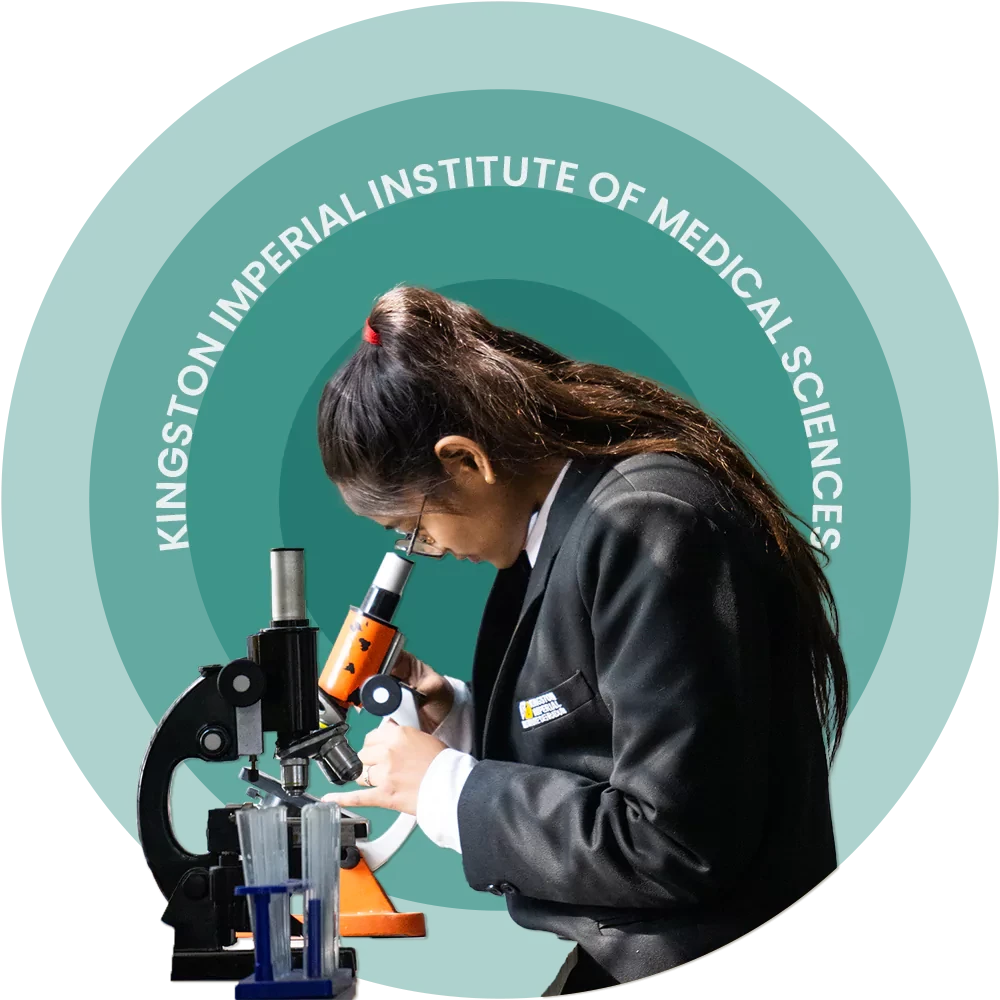
When people think of the medical field, doctors and nurses often come to mind first. However, behind every successful diagnosis, treatment, and recovery lies a team of paramedical professionals — the unsung heroes of healthcare. From laboratory technicians to radiographers, paramedics ensure that hospitals and clinics run efficiently. In recent years, paramedical courses have gained recognition as the foundation of modern medical services, equipping students with the practical skills necessary to save lives and support clinical excellence.
1. The Crucial Role of Paramedical Professionals
Paramedical experts act as a bridge between doctors and patients. They are responsible for vital diagnostic processes like blood tests, X-rays, and emergency medical support. Without them, doctors would struggle to diagnose or monitor patients accurately. Whether it’s managing advanced equipment or assisting in surgeries, paramedics are essential in every healthcare setting.
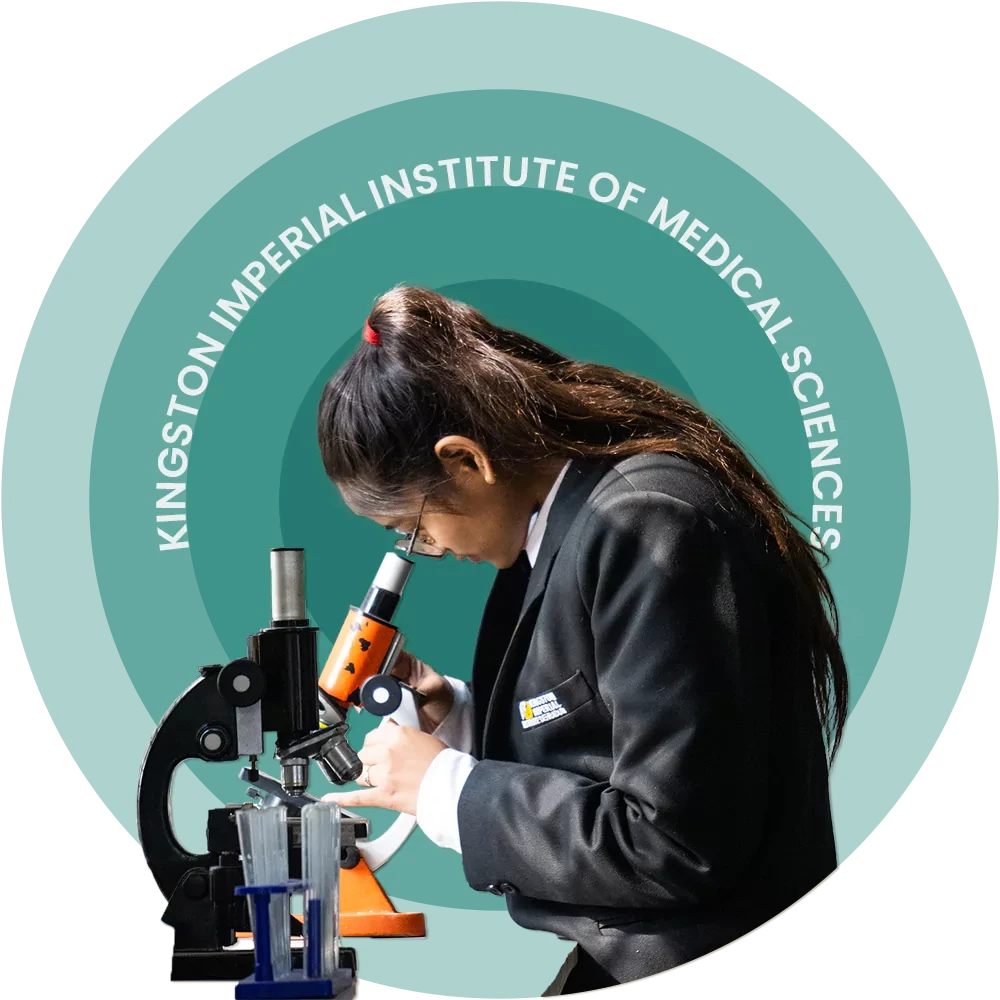
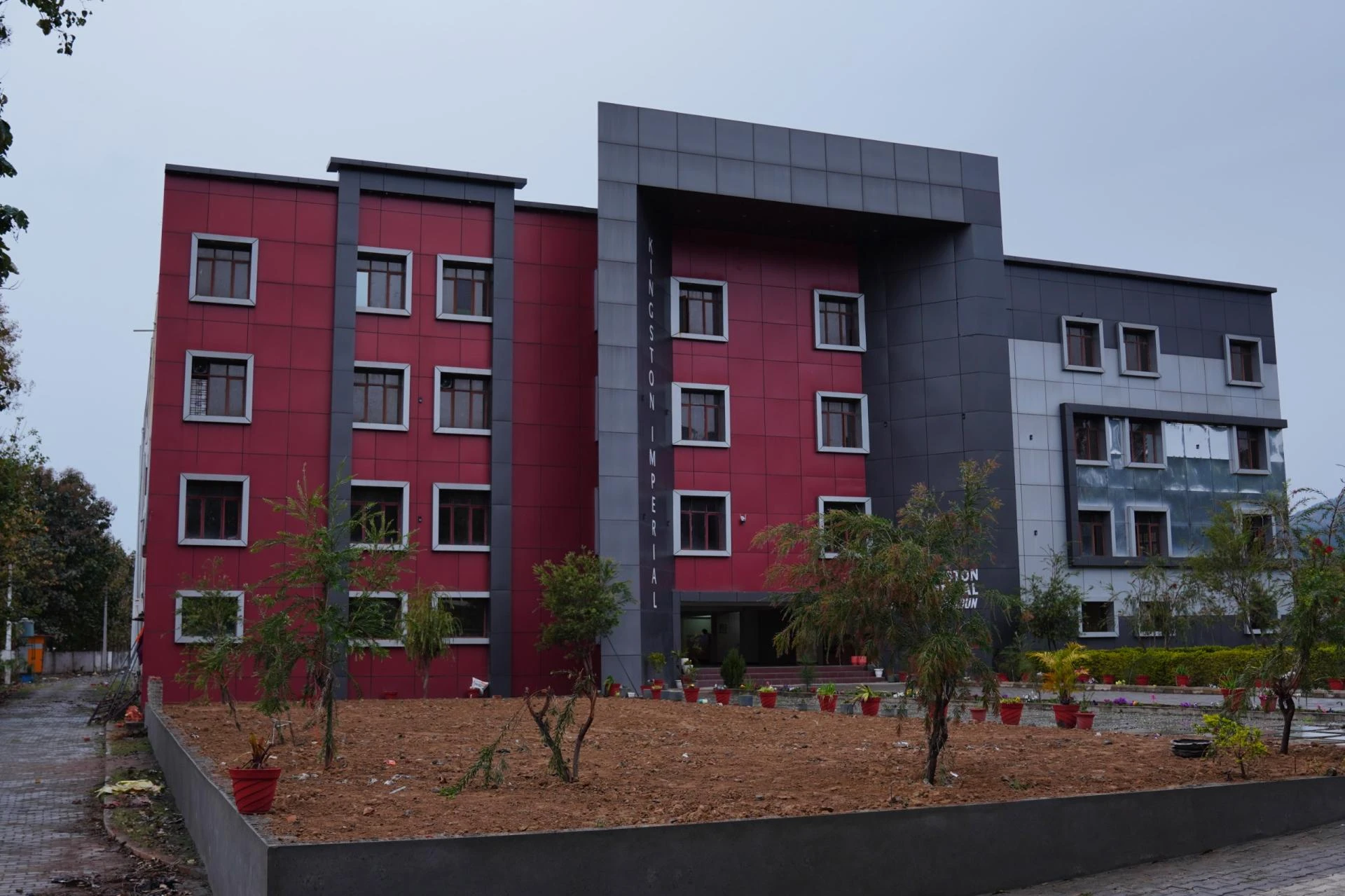
Institutes such as KIIMS (Kingston Imperial Institute of Medical Sciences Dehradun) are playing a pivotal role in training students to become proficient paramedical professionals, ready to meet the growing demands of the healthcare sector.
2. A Practical and Skill-Oriented Curriculum
One of the biggest advantages of pursuing a paramedical course is its hands-on learning approach. Unlike purely theoretical degrees, paramedical programs emphasize practical exposure, laboratory sessions, and clinical internships.
Students are trained to handle medical emergencies, operate diagnostic equipment, and interpret results under real-world conditions. Colleges that focus on these practical skills ensure that graduates are job-ready from day one — and that’s exactly what top institutions like KIIMS aim to provide.
3. Expanding Career Opportunities
The global healthcare industry is constantly evolving, and with it, the demand for trained paramedical staff continues to rise. Paramedical graduates can work in a variety of settings such as:
. Government and private hospitals
. Diagnostic laboratories
. Emergency response units
. Research organizations
. Rehabilitation centers
. Medical equipment companies
Additionally, students can choose from multiple specializations like Medical Lab Technology, Radiology, Operation Theatre Technology, and Emergency Medical Services, depending on their interests and aptitude.
4. Growing Industry Demand in India and Abroad
India’s healthcare system is undergoing rapid modernization, with both public and private sectors expanding their infrastructure. This growth has created a surging demand for skilled paramedical professionals, especially in diagnostic and patient care services.
Moreover, countries like the UK, Canada, and Australia actively recruit trained paramedics, offering lucrative career options and global exposure. Graduates from reputed colleges have a significant advantage when applying for international positions or pursuing higher studies abroad.
5. Affordable and Accessible Education Options
Compared to medical degrees, paramedical courses are relatively more affordable and have shorter durations, making them an ideal option for students who wish to enter the healthcare field quickly.
Most diploma and degree programs last between 1 to 4 years and provide strong placement opportunities after completion. This accessibility makes paramedical education one of the most practical pathways for students passionate about medicine but limited by financial or time constraints.
6. The Contribution of Paramedics During Emergencies
The importance of paramedics becomes even more evident during emergencies and disasters. Whether responding to accidents, pandemics, or natural calamities, paramedical professionals are always on the frontlines — providing first aid, stabilizing patients, and supporting doctors during crisis situations.
Their training in emergency medical response ensures that they can think fast, act precisely, and save lives even under pressure. This invaluable contribution cements their role as the backbone of healthcare delivery.
7. Technological Advancements and Future Prospects
Modern paramedical education incorporates the latest advancements in medical technology. Students now train with digital diagnostic tools, automated lab systems, and telehealth applications. This technological integration not only enhances accuracy but also opens up new career paths in medical innovation and research.
As healthcare becomes increasingly tech-driven, trained paramedics with digital expertise will be in even higher demand.
Conclusion
The strength of any healthcare system lies in the efficiency and expertise of its paramedical staff. They ensure that every patient receives timely, accurate, and compassionate care — forming the foundation of the entire medical ecosystem.
For students aspiring to build a career that combines compassion with technical excellence, enrolling in the Best Paramedical College in Uttarakhand is the first step. KIIMS (Kingston Imperial Institute of Medical Sciences Dehradun) offers advanced paramedical programs designed to prepare students for a dynamic healthcare environment, ensuring they emerge as skilled, confident, and globally competitive professionals.
Whether your goal is to serve locally or explore opportunities abroad, KIIMS provides the right platform to begin a successful and meaningful career in the B Pharma and healthcare industry.
























Sign in to leave a comment.