




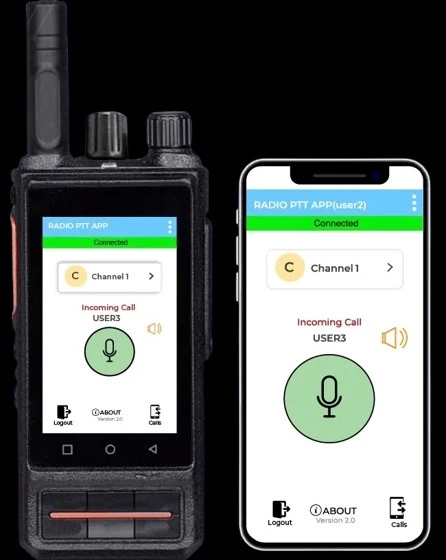
For decades, traditional two-way radios have been the backbone of communication for industries such as logistics, construction, security, transportation, and public safety. They were reliable, rugged, and simple. But as communication needs have evolved—requiring more coverage, better clarity, location tracking, and integration with digital workflows—old RF radios have started to fall behind.
Today, a new technology is rapidly replacing them: push to talk over cellular (PoC). This modern communication solution uses 3G/4G/5G and Wi-Fi networks to connect teams instantly, without the coverage limitations of traditional radio systems. Companies like StackIOT are leading the shift by offering advanced, cloud-based PoC platforms that give businesses powerful, real-time communication capabilities.
In this blog, we explore why PTT over cellular is becoming the preferred choice for organizations around the world.
1. Unlimited Coverage—No More Range Restrictions
Traditional radios depend on VHF/UHF frequencies, repeaters, and antennas. Their communication range is limited and often unreliable in remote or urban areas.
But push to talk over cellular eliminates this problem completely. By using cellular and Wi-Fi networks, PoC devices can communicate across cities, states, or even globally. Whether your team is spread across multiple locations or constantly on the move, they stay connected with no dead zones.
For logistics, transportation, and emergency response teams, this extended reach is a game-changer.
2. Superior Audio Quality and Reliability
Static, interference, and poor clarity are common complaints with legacy radios. PoC devices offer HD-quality voice, noise cancellation, and stable transmission using digital cellular networks.
With PTT over cellular, messages are clear even in noisy environments like warehouses, highways, and construction sites. This improved clarity directly enhances productivity and safety.
3. Cost Savings and No Expensive Infrastructure
Building traditional radio networks requires:
- Repeaters
- Towers
- Frequency licensing
- Maintenance teams
All of these add up to significant cost and complexity.
In contrast, push to talk over cellular works instantly on:
- Existing mobile networks
- Wi-Fi hotspots
- Cloud-based platforms like StackIOT
This means zero infrastructure investment, minimal maintenance, and predictable subscription-based pricing. Companies can scale communication faster and more cost-effectively.
4. Feature-Packed Communication Beyond Voice
Traditional radios offer only voice communication. Today’s teams need far more.
Platforms like StackIOT PoC provide advanced features such as:
- GPS live location tracking
- Geo-fencing
- Emergency alerts (SOS)
- Multimedia messaging
- Group broadcasting
- Call recording and playback
- Dispatch console for command centers
These features make PTT over cellular a complete operational communication system—not just a walkie-talkie replacement.
5. Device Flexibility—Use Radios, Smartphones, or Both
Unlike traditional radio systems that rely on dedicated hardware, PoC solutions run on:
- Rugged PoC radios
- Android/iOS smartphones
- Tablets
- Desktop dispatch centers
This flexibility means businesses can mix and match devices based on roles, budgets, and environments. StackIOT even supports rugged PoC devices designed for harsh industrial conditions.
6. Quick Deployment and Easy Scalability
Traditional radio networks can take months to set up. PoC solutions can be deployed:
- The same day
- Without wiring
- Without special permissions
Scaling is equally simple—just add new users through the cloud platform. For fast-growing businesses, push to talk over cellular offers unmatched agility.
7. Enhanced Safety and Real-Time Monitoring
Worker safety is a priority in industries like security, mining, oil & gas, and transportation. PoC platforms enhance safety with features such as:
- One-touch SOS alarms
- Lone worker protection
- Real-time location monitoring
- Emergency broadcast channels
StackIOT integrates all these safety tools into a unified dashboard, helping organizations respond quickly to threats or accidents.
8. Integration With Modern Business Systems
PoC can integrate with:
- ERP systems
- Fleet management software
- CCTV
- IoT sensors
This makes communication part of a larger connected ecosystem. As businesses adopt more digital tools, PoC becomes even more valuable.
Conclusion: The Future of Communication Is Cellular-Based
Traditional radios served their purpose, but modern teams need more coverage, more features, and more reliability. Push to talk over cellular and PTT over cellular are delivering all of that—at lower cost and with greater flexibility.
With advanced communication platforms like StackIOT, organizations can enjoy instant, global, and secure communication that improves safety, efficiency, and coordination.