
Key Takeaways:-
● Why Shoulder Stability Determines Durability
● Anatomy of a Stable Throw
● From Ground to Hand
● Common Breakdowns and Their Signals
● Assessing Shoulder Stability
● Mobility Versus Stability
● Pillars of Shoulder Stability Training
● Building the Decelerator
● Integrating Mechanics with Stability Work
● Load, Volume, and the Art of Staying Fresh
● Recovery
● In-Season Maintenance Without Losing Pop
● Technology and Feedback That Matter
● Coaching the System
● FAQs
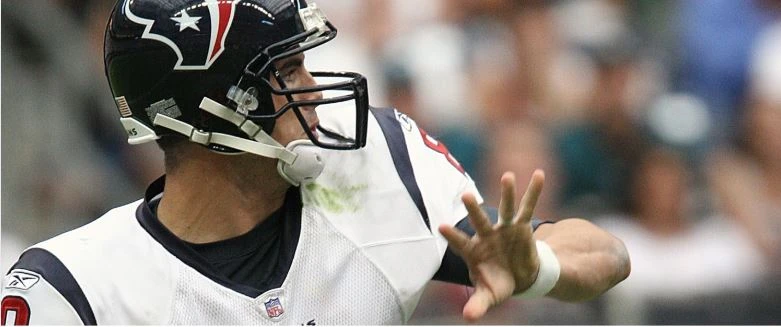
Longevity at quarterback is not a mystery reserved for genetic outliers. It is a repeatable outcome built on shoulder stability, intelligent workload management, and consistent mechanics. The shoulder is both the engine and the governor of a passer’s career. When it is stable, force transfers efficiently, accuracy holds up late in games, and the body tolerates high seasonal volumes. When it is not, velocity fades, accuracy wobbles, and soft-tissue complaints pile up until missed reps turn into missed seasons. Structured stability work, guided by a knowledgeable quarterback trainer, converts talent into durable performance and adds years to a quarterback’s window of peak play.
Why Shoulder Stability Determines Durability
Quarterback throwing is a high-speed, high-repetition skill. The glenohumeral joint must withstand rapid external rotation, explosive internal rotation, and deceleration forces that rival the acceleration phase itself. Stability is the capacity to keep the ball-and-socket centered while the arm accelerates and brakes. Without centering, tissues like the labrum and rotator cuff are asked to do jobs they were not designed to do, and microtrauma accumulates. Stable joints distribute force evenly across the kinetic chain, protect passive structures, and keep the nervous system confident enough to let the arm move at full speed.
Anatomy of a Stable Throw
A stable shoulder is more than a strong deltoid. The rotator cuff provides compression and centering, the scapular stabilizers orient the socket, and the thoracic spine positions the rib cage so the scapula can glide. The latissimus, serratus anterior, lower trapezius, and subscapularis form the practical support crew that lets the humeral head stay where it belongs. Good stability does not immobilize; it allows smooth, precise motion under load so the hand can arrive on time and target. Incorporating this into quarterback lessons in Austin ensures young athletes learn proper mechanics early.
From Ground to Hand
No shoulder can save a broken base. Force starts at the ground, travels through the feet and hips, and only then reaches the shoulder and hand. If the lower half is late or leaking power, the shoulder becomes a compensator, not a transmitter. Stability training must therefore integrate footwork, pelvic rotation, and trunk sequencing, ensuring the shoulder receives clean energy and can release it without extra stress.
Common Breakdowns and Their Signals
Compensations reveal themselves in subtle ways before pain arrives. A dropping elbow under pressure, a late ball that sails high, or a follow-through that finishes across the body instead of down and through are all early warning signs. Fatigue often presents as an inability to hold the scapula in upward rotation, which steals external rotation range and cuts off velocity. Addressing these signals early prevents them from becoming structural problems.
Assessing Shoulder Stability
Effective assessment blends screen and skill. Passive external rotation might look fine on a table, yet collapse the moment speed enters the movement. Real-world testing pairs simple orthopedic screens with dynamic tasks: resisted laybacks, deceleration catches, and tempo-controlled throws that expose timing issues. The goal is to see whether the shoulder stays centered while the torso rotates and the lower half changes direction. A seasoned quarterback coach uses assessment not to label athletes, but to decide which stability qualities must be raised first.
Mobility Versus Stability
Many quarterbacks chase looser shoulders, believing more range equals more velocity. Mobility without stability is a trap. The sequence should be position first, tension second, and range third. When the scapula sits and moves well on the rib cage, and the cuff can create firm but responsive compression, the new range becomes usable and safe. Athletes who reverse the order often feel better for a week, then plateau or regress.
Pillars of Shoulder Stability Training
True stability is a blend of motor control, endurance, and strategic strength. Cuff endurance keeps the humeral head centered across long practice blocks. Scapular control ensures the socket points where the throw demands. Thoracic mobility allows the ribs to move so the scapula can tilt and rotate. Rotational core strength delivers trunk stiffness at the instant of hand release. Each pillar supports the others; neglect one and the whole structure wobbles.
Building the Decelerator
Everyone loves acceleration, but deceleration is where arms survive. After the ball leaves, the posterior cuff, scapular retractors, and trunk musculature must absorb massive forces in fractions of a second. Training the decelerator builds braking capacity so tissues do not tear under speeds. When braking improves, the brain permits higher acceleration, unlocking safe velocity gains without added inflammation.
Integrating Mechanics with Stability Work
Stability gains must appear in the throw, not just in the weight room. Linking drills to mechanics is the bridge. Closed-chain scapular work feeds into controlled laybacks; resisted trunk rotations flow into rhythm throws; tempo drills teach the arm to wait for the hips. The objective is simple: create a shoulder that arrives late and leaves early—late to stretch, early to unload—so speed comes from sequence rather than strain.
Load, Volume, and the Art of Staying Fresh
A stable shoulder still needs smart scheduling. Volume spikes, not absolute workload, are the usual culprits behind soreness that lingers. Track total throws, categorize sessions by intensity, and let hard days breathe with true recovery days. Small reductions in weekly peak loads often produce large reductions in next-week soreness, preserving consistency and confidence when it matters most.
Recovery
Recovery is not a pause; it is a performance input. Sleep consolidates motor patterns and restores hormonal balance. Nutrition drives tissue rebuilding, while hydration maintains the glide surfaces that let the scapula move. Soft-tissue work and active recovery preserve the quality of motion you trained all week to earn. Athletes who treat recovery as a skill expand their capacity to practice more and break down less.
In-Season Maintenance Without Losing Pop
The season compresses time. Travel, game plans, and weekly hits challenge routine. Maintenance plans succeed when they are simple, brief, and non-negotiable. Ten minutes of targeted cuff endurance, five minutes of scapular control, and a small dose of trunk rotation can hold form between heavy game loads. Stable shoulders make late-season arms feel like early-season arms.
Technology and Feedback That Matter
Radar guns do not measure joint quality, but they do reveal when mechanics and stability align. High-speed video exposes timing leaks, while simple range checks before practice catch fatigue before it becomes pain. Wearables that track acute-to-chronic workload ratios help staff avoid the hidden spike that derails a month. Tools are useful when they drive decisions, not when they become the program.
Coaching the System
Stability work thrives on consistency and context. Athletes need coaches who can interpret signals and sequence solutions rather than chase fads. An experienced quarterback trainer builds progressions that start where the athlete is and carry over to what the athlete must do. The right cues, the right volume, and the right progression at the right time keep shoulders quiet and performance loud.
Shoulder stability is not optional for a long career at quarterback; it is the foundation that everything else stands on. It protects structures, sharpens mechanics, and widens the margin for error when games speed up. The quarterback who commits to stability training, guided by a seasoned quarterback coach, trades short-term soreness for long-term availability and performance. If you are looking for the best quarterback lessons in Austin, Stanfield QB should be your top priority.
FAQs
Why is shoulder stability important for quarterbacks?
Shoulder stability ensures that the joint remains strong and aligned under high throwing loads, reducing injury risk and supporting consistent performance.
How can a quarterback improve shoulder stability?
Incorporating targeted rotator cuff work, scapular control exercises, and integrated mechanics drills into training can significantly improve stability.
Can shoulder stability training extend a quarterback's career?
Yes, maintaining stability reduces wear and tear, which can help quarterbacks perform at a high level for many more years.
Are shoulder stability drills included in Quarterback lessons in Austin?
Yes, many structured Quarterback lessons in Austin programs include stability-focused training to protect the shoulder and enhance performance.





















Sign in to leave a comment.