




Understanding the Energy Drain
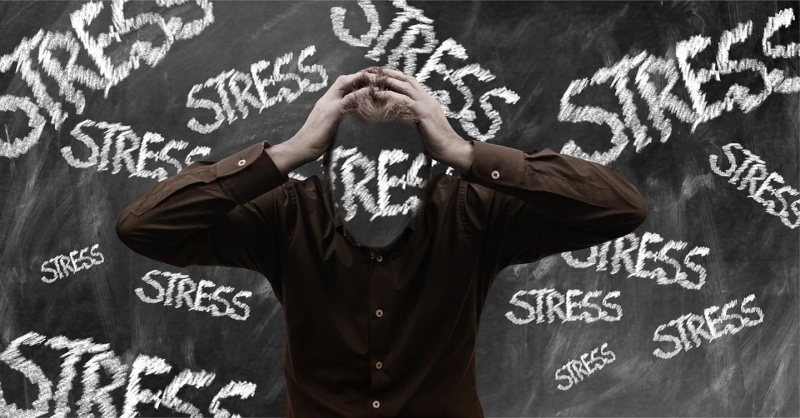
Many people wonder why they feel tired on days when they barely do anything physical. It seems confusing at first, because we usually connect tiredness with movement, effort, or work. But the truth is, your mind uses far more energy than most people realize. When you’re stressed, your brain goes into a state of hyper-awareness, constantly scanning for potential problems, even if you’re sitting still. This invisible activity can drain your energy faster than a full day of physical work.
Stress activates your body’s natural “fight or flight” response, which was designed to protect humans from danger. But in modern life, the threats are different. Instead of animals or physical danger, the stress comes from deadlines, uncertainty, responsibilities, or emotional pressure. Even though you’re not physically fighting or running, your body still reacts as if something serious is happening. This constant internal alert mode consumes energy at a rapid rate, slowly wearing you down.
What makes the situation worse is that people often ignore these signals. They think tiredness must come only from effort, so they assume it’s laziness or lack of motivation. But the reality is more biological. Stress puts the body into a high-energy mode without any actual physical release. As a result, you feel tired, heavy, and mentally exhausted, even if you didn’t move all day.
The Hidden Work Your Brain Is Doing
When you’re stressed, your brain becomes extremely active, even when you’re not consciously thinking about anything. It begins to spin scenarios, analyze possibilities, replay past conversations, and imagine future problems. This constant mental running uses up glucose—your brain’s main fuel—much faster than usual. That’s why stress often feels like you’re carrying the weight of a hundred tasks, even if you technically have none.
This hidden mental work also causes your brain to get stuck in loops. You might find yourself thinking about the same issue again and again without reaching a solution. This repetitive thinking is exhausting because your brain never gets a moment to rest. It's similar to keeping dozens of apps open on your phone; even if you're not actively using them, they drain the battery quietly in the background.
Another reason stress drains your energy is because your brain shifts energy away from creative or productive thinking. When your mind is busy trying to “protect” you, it stops focusing on learning, planning, or problem-solving. This makes you feel mentally dull or slow. The more your brain works behind the scenes, the more tired you feel on the surface.
How Stress Affects Your Sleep Without You Noticing
One of the biggest reasons stress makes you tired is because it interferes with the quality of your sleep. Some people might think they’re sleeping normally because they still get seven or eight hours. But what they don’t see is their brain staying half-awake at night, constantly switching between light sleep and alertness. This stops your mind from reaching deep, restorative sleep, which is the stage responsible for mental refreshment.
When you’re stressed, your body releases hormones like cortisol and adrenaline. These hormones are meant to keep you awake and alert, which is helpful during emergencies but harmful when you’re trying to rest. As a result, you may wake up multiple times at night without remembering it. Even if you don’t consciously notice these disruptions, your brain remembers, and your body feels the consequences.
Over time, this pattern creates a cycle. Stress disrupts sleep, poor sleep increases stress, and the cycle continues. Waking up unrefreshed can make even simple tasks feel overwhelming. And when your brain is tired, your emotions become harder to manage, leading to even more stress. This cycle continues unless you consciously break it by improving your sleep habits or managing your stress effectively.
Why Your Body Feels Heavy
Stress doesn’t only affect your mind—it also changes how your body feels. When you’re stressed, your muscles tighten without you realizing it. This includes your neck, shoulders, jaw, back, and even your stomach. This constant tension uses energy and reduces blood flow, making your body feel heavier and slower throughout the day. It’s a form of silent physical fatigue.
Another factor is your breathing. Stress often makes people breathe shallowly, which limits the amount of oxygen entering the body. When your body doesn’t receive enough oxygen, your muscles and brain don’t function at their best. This leads to feelings of weakness, heaviness, or lack of balance. Many people don’t notice their breathing patterns, but they notice the tiredness it creates.
The heaviness you feel isn’t just physical—it’s also emotional. Stress can make your body feel slower because your mind associates tension with danger. Your nervous system becomes sensitive, making normal sensations feel more intense. Over time, this leads to slower movement, reduced motivation, and an overall feeling of being weighed down by pressure.
Small Habits That Break the Cycle
Breaking the stress cycle doesn’t require huge changes. Even tiny habits can send powerful signals to your body that it's safe to relax. Deep breathing is one of the simplest tools. Just a few slow breaths can reset your heart rate, calm your mind, and reduce muscle tension. This creates an immediate sense of clarity, even if everything around you stays the same.
Movement also plays an important role. A short walk, even for two or three minutes, can release built-up tension in your muscles and refresh your mind. Many people underestimate small physical actions, but they can dramatically change how your body feels. When you move, your brain gets new oxygen, your muscles loosen, and your stress hormones begin to calm down.
Hydration is another small habit that makes a surprising difference. Water supports your brain’s energy system, and even mild dehydration makes stress feel worse. When you combine hydration with breathing and small movements, your body receives a clear message that it can slow down. Over time, these small habits become a natural shield against stress.
The Importance of Being Kind to Yourself
Many people blame themselves for feeling tired, especially when they haven’t done much physically. But stress-related exhaustion is not a sign of weakness or laziness. It’s a biological response that happens inside your body, and it's something every human experiences. Being kind to yourself during stressful periods is one of the most powerful ways to recover faster.
Self-kindness means acknowledging your limits without judgment. It means understanding that rest is not a reward but a necessity. When you allow yourself to take breaks, you give your body time to repair and your mind time to reset. This makes you more productive in the long run, not less.
Treating yourself with compassion also reduces emotional stress. When you stop criticizing yourself, your brain stops releasing stress hormones. This creates a calmer internal environment, making it easier for you to think clearly and move forward. The more kindness you show yourself, the stronger and more balanced you become.
Final Thoughts
Stress may be invisible, but it has very real effects on your mind and body. It drains your energy, interferes with your sleep, tightens your muscles, and makes even simple tasks feel overwhelming. But when you understand the science behind stress, everything becomes easier to manage. You realize that your tiredness is not your fault—it’s your body asking for help.
With small daily habits and a kinder attitude toward yourself, you can break the cycle more easily than you think. Stress might be part of life, but it doesn’t have to control your life. When you take care of your mind and body, your energy returns, your sleep improves, and your days feel lighter and clearer.
Discover premium CBD, Delta 8, and Delta 9 products at Rogue Shop. From handcrafted oils and gummies to pain creams, topicals, and wellness supplements, every product is made with care to support your stress relief, better sleep, and overall wellness. Experience the difference of small-batch, high-quality hemp products grown and crafted with passion.