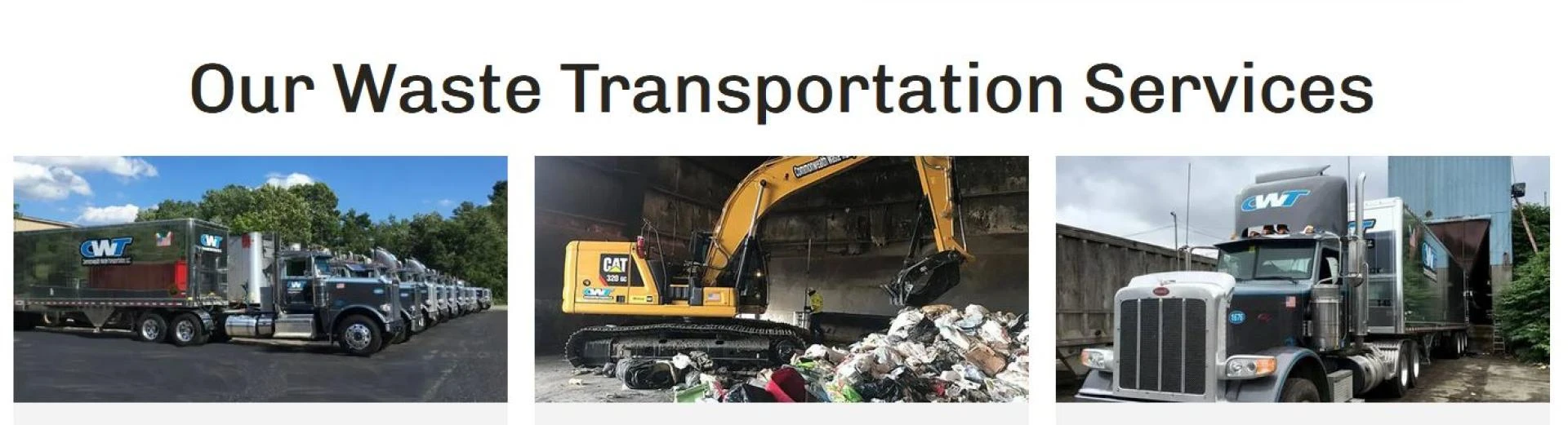

Key Takeaways:-
● Professional transfer station management reduces operational inefficiencies and lowers costs.
● Expert oversight improves safety, compliance, and daily workflow.
● Preventive equipment management minimizes breakdowns and repair expenses.
● Structured labor systems reduce overtime and boost productivity.
● Better waste flow and planning enhance long-term financial stability.
● FAQs
Reducing operating costs has become one of the biggest priorities for municipalities, facility owners, and private waste companies across New England. As waste volumes rise and environmental regulations tighten, many organizations struggle to maintain efficiency while keeping budgets under control. Among the most effective yet often overlooked solutions is the implementation of professional transfer station management. When handled correctly, well‑managed transfer stations become powerful cost‑saving assets that improve workflow, reduce inefficiencies, and support long‑term operational stability.
Across the region, many communities and private operators have discovered that relying on experts makes a measurable difference. This is especially true when working with providers experienced in transfer station management.
True Purpose of Transfer Station Management
To appreciate the financial benefits, it is important to understand what transfer station management actually involves. A transfer station serves as a midpoint where waste is consolidated before being hauled to its final destination, such as a landfill, recycling plant, or processing facility. While the function may seem simple at first glance, the operational realities are far more complex.
A well‑run transfer station must coordinate incoming and outgoing traffic, manage floor operations, ensure safety compliance, control contamination, and optimize equipment usage. When any of these elements fail, costs increase. Delays lead to higher labor expenses, equipment misuse results in costly repairs, and poor material handling triggers regulatory penalties.
This is why professional oversight is so valuable. With expertise grounded in transfer station management in Massachusetts, specialists bring structured processes, trained personnel, and proven systems that eliminate inefficiencies long before they become expensive problems.
How Professional Management Directly Reduces Operating Costs
One of the largest benefits of outsourcing transfer station oversight is the immediate reduction in operating costs. Professional teams understand how to optimize every part of the workflow. They study inbound and outbound volumes, adjust staffing levels, plan equipment use, and create scheduling systems that prevent unnecessary downtime. These efficiencies accumulate savings day after day.
For communities and companies working with transfer station management services in MA, this often means fewer overtime hours, lower fuel consumption, and reduced wear on equipment. A well‑managed facility moves material more efficiently, preventing backups that can turn into costly operational delays.
Professional management also helps owners avoid the hidden expenses that come from regulatory non‑compliance. State agencies expect transfer stations to meet strict environmental standards. Failure to follow these guidelines can result in fines or forced operational changes. Managers experienced in transfer station management ensure that facilities meet all required standards, helping clients avoid penalties while maintaining smooth workflows.
Reducing Equipment Costs Through Preventive Oversight
Equipment is one of the highest operational expenses for any transfer station. Loaders, compactors, trailers, and conveyors all face heavy daily use. Without proper oversight, machinery can break down prematurely, requiring costly repairs or replacements.
Professional management includes preventive maintenance schedules designed to extend equipment life and reduce unexpected breakdowns. Managers monitor performance, maintain service records, and coordinate repairs before problems escalate. A station that receives expert oversight experiences fewer interruptions, which directly correlates to lower repair costs and longer asset life.
In many cases, organizations that adopt structured oversight through transfer station management services discover that simply improving equipment handling practices can save thousands of dollars each year. Small operational adjustments often produce significant reductions in long‑term expenses.
Improving Labor Efficiency for Significant Cost Savings
Labor is one of the most expensive components of running a transfer station. Poor scheduling, lack of training, and inefficient workflow design all contribute to rising labor costs. When workers spend unnecessary time waiting for trucks, clearing overcrowded floors, or addressing preventable issues, expenses increase.
Professional management creates a structured workflow that aligns staffing with operational demand. This reduces idle labor hours, helps prevent costly overtime, and ensures that every shift runs with the appropriate level of support. Efficient training programs also ensure that employees understand proper safety procedures and handling techniques, reducing the risk of accidents and injury‑related downtime.
Companies and municipalities that rely on experienced providers familiar with transfer station management in Massachusetts often report significant improvements in productivity. By reducing wasted labor hours and preventing operational disruptions, facilities save money while maintaining higher service levels.
Enhancing Facility Safety to Avoid Expensive Incidents
Safety issues can quickly become some of the most expensive challenges transfer stations face. Accidents lead to medical bills, workers’ compensation claims, legal liabilities, and damaged equipment. Preventable hazards, such as improper material placement or cluttered work areas, increase these risks.
A professionally managed site prioritizes safety through continuous monitoring, staff training, and process improvements. Managers enforce proper traffic patterns, equipment protocols, and material‑handling standards. This proactive approach reduces workplace injuries and minimizes the financial burden associated with accidents.
When safety improves, insurance claims decrease, operational uptime increases, and overall facility performance rises. These cost savings compound over time and strengthen the value of partnering with specialists in transfer station management services in MA.
Streamlining Waste Flow for Faster, More Efficient Operations
Transfer stations function best when waste moves steadily and predictably through the facility. Blockages, delays, or improperly sorted materials slow down operations and increase costs. Professional management ensures that incoming waste is processed efficiently and that outgoing loads are prepared without delay.
By managing traffic flow, optimizing floor space, and coordinating transportation schedules, specialists minimize the time materials spend inside the facility. This reduces handling costs and keeps haulers on schedule, which is particularly important for high‑volume sites.
The strategic oversight offered by transfer station management allows facilities to operate at peak capacity without sacrificing quality or safety. Faster processing directly translates to lower labor costs, fewer disruptions, and improved daily efficiency.
Reducing Regulatory Risk Through Expert Compliance Guidance
Regulatory compliance is one of the most overlooked contributors to operational cost. Many facilities incur fines simply because they lack updated documentation or fail to follow waste handling guidelines. Regulations can change frequently, and staying informed requires time and expertise.
Professional managers monitor regulatory updates, maintain all required documentation, and ensure that operational practices align with state and federal standards. They also provide employee training to reinforce proper procedures.
For organizations leveraging transfer station management services, this oversight eliminates the financial risks associated with non‑compliance and prevents costly operational adjustments that might otherwise arise.
Improving Long‑Term Budget Predictability
One of the most important financial benefits of professional transfer station management is improved budget predictability. Without structured oversight, unexpected costs, from equipment failures to staffing issues, can derail annual budgets.
Professional management reduces the likelihood of these surprises by implementing consistent processes and maintaining detailed operational records. This helps owners plan accurately, forecast expenses, and make informed decisions about future investments.
Facilities supported by transfer station management in Massachusetts gain a clearer understanding of their operational needs and can allocate resources more strategically. Predictable budgeting leads to stronger financial stability and long‑term organizational success.
Creating a More Sustainable and Cost‑Effective Future
Modern waste operations must balance cost control with sustainability goals. Efficient transfer station management supports both. By improving waste flow, reducing fuel use, and minimizing unnecessary handling, professionally managed facilities contribute to environmental goals while controlling expenses.
A well‑run transfer station also diverts more material from landfills by improving sorting accuracy and reducing contamination. This supports recycling programs and aligns facilities with state sustainability initiatives.
Organizations that rely on transfer station management services in MA often discover that their sustainability efforts improve naturally as their operational efficiency increases. This creates a measurable environmental impact while lowering operational costs at the same time.
FAQs
How does transfer station management reduce operating costs?
It streamlines waste flow, improves labor efficiency, enhances safety, and prevents costly equipment issues, resulting in lower day-to-day expenses.
Why is professional oversight important for compliance?
Experts stay current with regulations, maintain required documentation, and ensure safe and legal waste-handling practices.
How does management improve equipment longevity?
Through preventive maintenance, consistent monitoring, and proper usage protocols that reduce wear and unexpected breakdowns.
What long-term benefits do facilities gain?
Greater budget predictability, fewer disruptions, stronger sustainability performance, and a more efficient operational structure.
Transfer station management is no longer just an operational necessity; it is a strategic financial tool. When managed correctly, transfer stations become significant sources of cost savings for municipalities, private companies, and facility owners. Make your transfer station more efficient and cost-effective with expert management support. Contact Commonwealth Waste Transportation, LLC today by calling (978) 265-4482 to optimize operations and reduce expenses long-term.































Sign in to leave a comment.