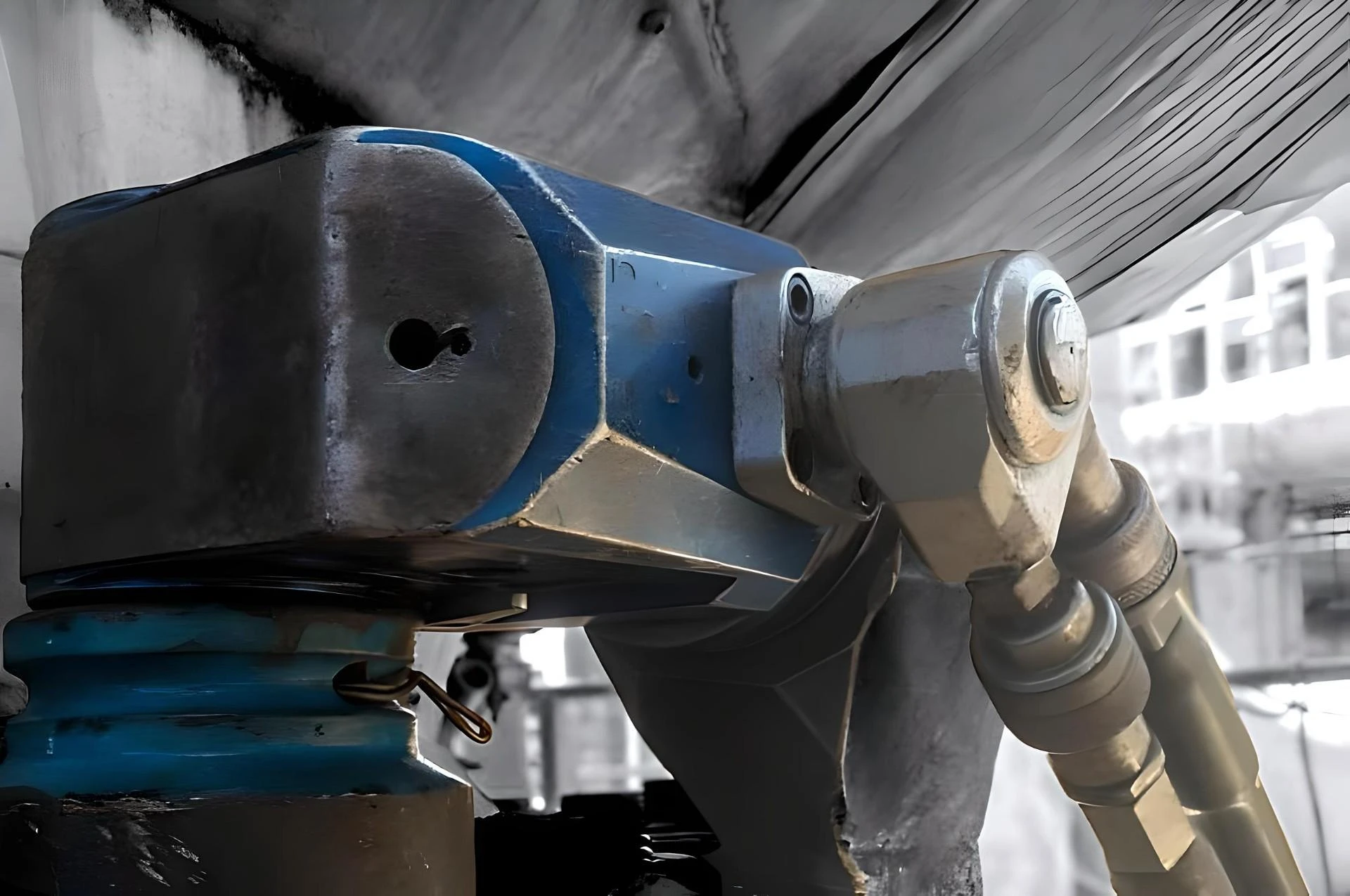

Industrial strength torque wrenches are indispensable tools for heavy-duty tasks, delivering precision and reliability when dealing with substantial machinery or equipment. Renting one is often the most practical option for professionals and industries that need high-performance tools for temporary projects or specific applications. However, finding the perfect torque wrench rental requires careful consideration of various factors, from functionality to rental terms. Understanding the essentials ensures you select a tool that meets your needs efficiently and safely.
This detailed guide covers critical factors to examine when renting an industrial strength torque wrench, including specifications, costs, safety tips, and provider reliability, so you can make the right choice.
Understand torque wrench specifications
Knowing the specifications of a torque wrench is critical for selecting the correct tool. For example, choosing a wrench with inadequate torque capacity can lead to incorrect fastening, potentially damaging equipment or compromising safety. Professionals working on high-stress applications like bridge construction or pipeline maintenance often prioritize precision over other features to ensure job success.
Important considerations include:
- Torque range: Ensure the wrench can handle the minimum and maximum torque required for your task. Many industrial projects require tools with capacities exceeding 500 ft-lbs.
- Drive size: Match the drive size to the fasteners in use; larger projects often require 3/4" or 1" drives.
- Accuracy levels: Opt for tools with a deviation of ±3% or less for precise results.
Inspect the condition of the torque wrench
The physical condition of a rented torque wrench significantly affects its performance and longevity. Ignoring wear or damage can result in reduced accuracy or tool failure, delaying projects and increasing costs. Imagine starting a critical job only to discover the tool fails to calibrate properly—routine inspections can prevent such setbacks.
When evaluating the condition, focus on these aspects:
- Surface integrity: Check for cracks, bends, or rust that might affect functionality.
- Calibration documentation: Ensure the tool has been calibrated recently and meets industry standards.
- Operational testing: Ask the provider to demonstrate that the wrench works as intended.
Compare rental costs and terms
Cost and rental policies vary widely among providers, making it essential to scrutinize the pricing structure and conditions. While initial costs may seem affordable, hidden fees or restrictive policies can inflate expenses. A plant manager once discovered unexpected overtime charges that doubled their rental fees, underlining the importance of reviewing terms in advance.
Crucial points to compare include:
- Rates for varying time frames: Look at daily, weekly, and monthly pricing to find the most economical option for your schedule.
- Damage liability: Clarify your responsibility for repair costs if the tool breaks during use.
- Cancellation and extension policies: Check for penalties tied to early returns or extended rental periods.
Select reliable rental providers
A dependable provider can make or break your rental experience. Trusted companies not only maintain their tools but also offer comprehensive customer support. Choosing a poorly rated provider risks delays or subpar equipment, which can affect project timelines and outcomes.
Characteristics of a dependable provider include:
- Industry reputation: Read reviews from other professionals to gauge their reliability.
- Inventory maintenance: Ensure the company adheres to a strict maintenance schedule for all tools.
- Responsive communication: Work with providers that answer questions promptly and professionally.
Pick the appropriate torque wrench type
Industrial torque wrenches come in various designs, each suited to specific tasks. Choosing the wrong type can lead to inefficiencies or operational issues. For example, a manual click-type wrench may suffice for assembling heavy equipment, but a hydraulic wrench is more appropriate for oilfield operations requiring high-pressure torque.
Popular options and their uses:
- Click-type manual: Ideal for straightforward applications that require basic precision.
- Digital: Suitable for tasks requiring detailed torque readouts and data logging.
- Hydraulic: Perfect for large-scale operations involving bolts requiring immense torque.
Learn essential safety and operational guidelines
Safety and proper usage of industrial strength torque wrenches are vital to minimizing workplace accidents and ensuring effective results. Tools capable of generating enormous torque, if mishandled, can cause significant harm. For instance, incorrect technique when tightening bolts can lead to uneven stress distribution, risking structural integrity.
Key safety practices to follow:
- Pre-use inspections: Always double-check the tool for any signs of damage or wear.
- Read the manual: Familiarize yourself with manufacturer instructions to prevent misuse.
- Steady application: Apply torque evenly to ensure accurate and consistent fastening.
Verify tool calibration and compliance
Calibration ensures a torque wrench performs accurately within its specified range. Miscalibrated tools can lead to costly errors, jeopardizing equipment safety and regulatory compliance. Industries like aviation and construction mandate the use of calibrated tools, often audited by inspectors to meet legal and safety standards.
When verifying calibration, remember these details:
- Certification source: Request records from an accredited calibration facility.
- Calibration date: Ensure the tool was calibrated within the past 12 months.
- Accuracy verification: Confirm that the tool meets or exceeds acceptable tolerance levels.
A deeper understanding of the rental process
Renting an industrial strength torque wrench doesn’t need to be a complex ordeal. By focusing on the tool's specifications, verifying its condition, and selecting a reputable provider, you can ensure a seamless rental experience. These steps help professionals complete projects accurately and safely while staying on budget. Paying attention to detail guarantees the wrench you rent performs optimally for your unique application.
Key takeaways for renting torque wrenches
- Choose a wrench with the correct torque range, drive size, and accuracy for your project.
- Inspect tools carefully for signs of damage or overdue calibration.
- Understand pricing structures and liability terms to avoid unexpected costs.
- Select a trusted provider with a proven track record for quality and reliability.
- Prioritize safety by following proper operational guidelines and checking calibration certificates.
Frequently asked questions about torque wrench rentals
1. What is the benefit of renting instead of buying a torque wrench?
Renting allows access to specialized tools without the upfront cost of ownership, making it ideal for short-term or occasional use.
2. How can I confirm the tool’s calibration is accurate?
Request calibration certificates from the provider and check the last calibration date to ensure accuracy.
3. What should I do if the tool stops working during my rental period?
Contact your rental provider immediately. Most reliable companies will offer replacements or troubleshooting support.
4. Can I rent a torque wrench for small, low-torque jobs?
Yes, but it’s important to specify your torque range requirements to avoid overpaying for a tool designed for heavier applications.
5. What safety measures should I follow when using a rented torque wrench?
Always inspect the tool before use, follow manufacturer guidelines, and wear appropriate protective equipment for your job.
































Sign in to leave a comment.