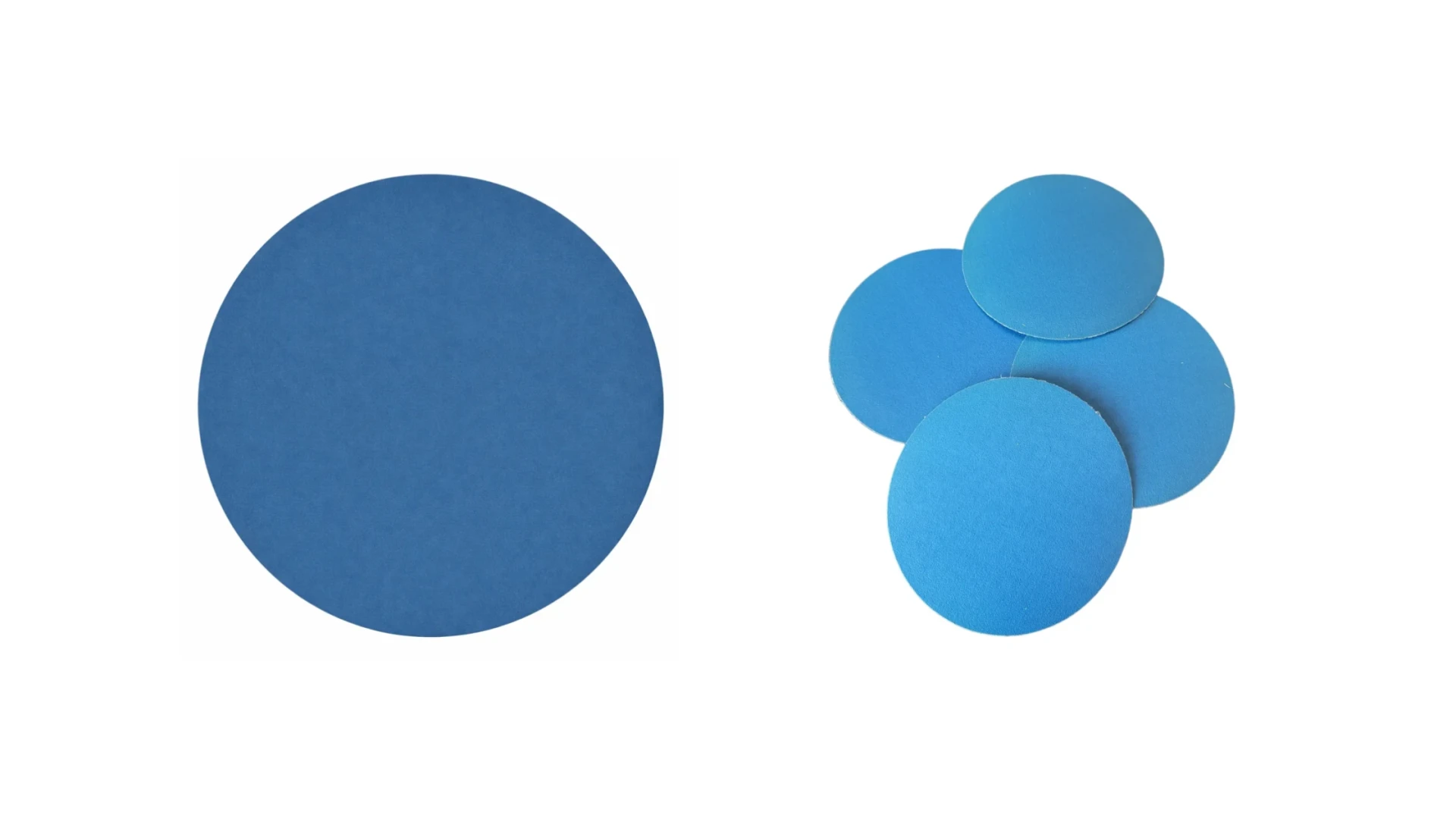
When it comes to achieving superior surface finishes on hard-to-grind materials, zirconia grinding discs have emerged as the go-to solution for professionals across various industries. These high-performance abrasive tools combine exceptional durability with aggressive cutting action, making them indispensable for metalworking, fabrication, and manufacturing applications. Whether you're working with stainless steel, carbon steel, or exotic alloys, understanding the capabilities and applications of zirconia grinding discs can significantly enhance your finishing operations and improve overall productivity.
What Are Zirconia Grinding Discs?
Zirconia grinding discs are premium abrasive tools manufactured using zirconia alumina grain, a tough and self-sharpening abrasive material created by fusing aluminum oxide and zirconium oxide. This fusion process creates a crystalline structure that fractures during grinding, continuously exposing sharp cutting edges. The result is an abrasive that maintains its cutting efficiency throughout its lifespan, unlike conventional aluminum oxide abrasives that dull quickly under heavy pressure.
The unique microstructure of zirconia alumina grains provides superior toughness and heat resistance, making these discs ideal for aggressive grinding applications where high pressure and heat generation are common. The self-sharpening characteristic ensures consistent performance, reducing the need for frequent disc changes and minimizing downtime in production environments.
Key Benefits of Using Zirconia Grinding Discs
Enhanced Durability and Longevity
One of the most compelling advantages of zirconia grinding discs is their exceptional lifespan. The self-sharpening nature of zirconia alumina grains means these discs maintain their cutting efficiency far longer than standard aluminum oxide discs. This extended lifespan translates to fewer disc changes, reduced material costs, and improved operational efficiency. In industrial settings where downtime equals lost revenue, the durability of zirconia discs provides a significant competitive advantage.
Superior Material Removal Rates
Zirconia grinding discs excel at rapid material removal, particularly on tough metals and alloys. The aggressive cutting action allows operators to complete grinding tasks faster, increasing throughput and productivity. This makes them particularly valuable in heavy-duty applications such as weld grinding, edge preparation, and surface conditioning, where speed and efficiency are paramount.
Excellent Heat Dissipation
The grain structure of zirconia alumina facilitates better heat dissipation during grinding operations. This characteristic is crucial when working with heat-sensitive materials or in applications where thermal damage could compromise workpiece integrity. Reduced heat buildup also extends disc life and improves operator comfort during prolonged grinding sessions.
Applications Across Industries
Metal Fabrication and Welding
In metal fabrication shops, zirconia grinding discs are essential for weld bead removal, seam grinding, and surface preparation. Their ability to handle high-pressure grinding on stainless steel and carbon steel makes them ideal for preparing surfaces for painting, coating, or welding. Fabricators appreciate the consistent performance and reduced need for disc changes, which keeps production moving efficiently.
Automotive and Aerospace Manufacturing
The automotive and aerospace industries demand precision and reliability in every component. Zirconia grinding discs meet these stringent requirements by providing consistent finishes on critical parts made from hardened steels, titanium alloys, and other challenging materials. Their durability ensures consistent quality across large production runs.
General Metalworking
From deburring and edge blending to rust removal and surface conditioning, zirconia grinding discs handle diverse metalworking tasks with ease. Machine shops and maintenance facilities rely on these versatile abrasives for daily grinding operations that require both power and precision.
Choosing the Right Grit Size
Selecting the appropriate grit size is crucial for achieving optimal results with zirconia grinding discs. Coarser grits (24-40) are ideal for aggressive stock removal, heavy weld grinding, and rough surface preparation. Medium grits (50-80) balance material removal with surface finish quality, making them suitable for general-purpose grinding and blending operations. Finer grits (100-120) produce smoother finishes and are preferred for final surface preparation before coating or painting.
Complementary Abrasive Solutions
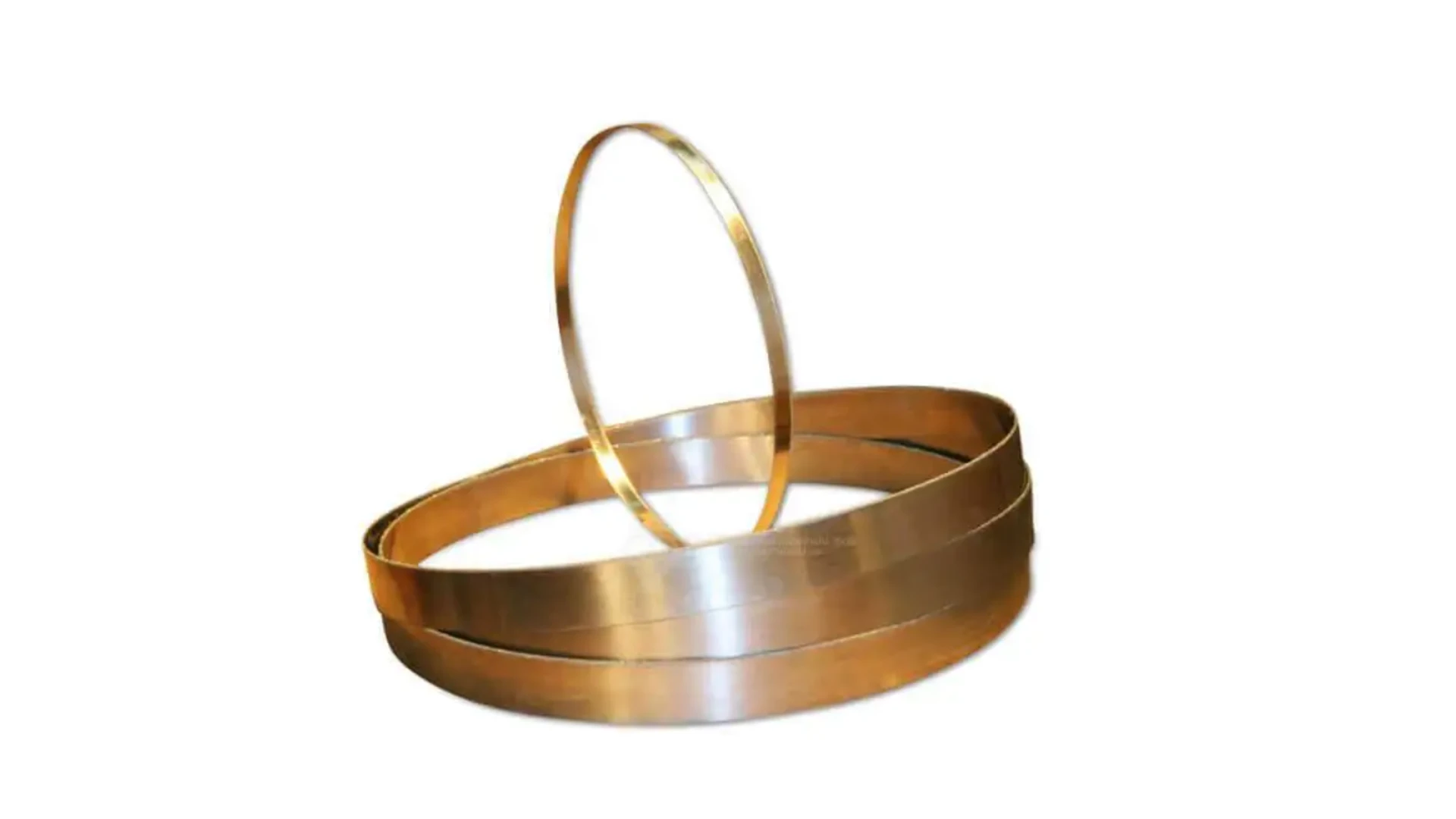
While zirconia grinding discs excel in many applications, certain tasks may benefit from alternative abrasive formats. For sample preparation and specialized grinding applications requiring consistent, controlled material removal, zirconia abrasive belts for sample preparation offer precision and repeatability. These belts are particularly effective in laboratory settings, quality control departments, and applications where uniformity is critical.
Best Practices for Maximum Performance
Proper Operating Speed
Always operate zirconia grinding discs within the manufacturer's recommended speed range. Excessive speed can cause premature disc failure and poses safety risks, while insufficient speed reduces cutting efficiency. Most angle grinder applications work well at speeds between 6,000 and 10,000 RPM, but always verify the specifications for your specific disc.
Optimal Grinding Angle
Maintaining the correct grinding angle is essential for both safety and performance. For most applications, hold the grinder at a 15-25 degree angle to the workpiece surface. This angle maximizes disc contact while preventing edge digging or disc breakage. Avoid grinding with the disc face flat against the workpiece, as this can cause chattering and uneven wear.
Appropriate Pressure
Let the disc do the work. Excessive pressure generates unnecessary heat, accelerates wear, and can lead to disc failure. Apply moderate, consistent pressure and allow the zirconia grains to cut efficiently. If you find yourself pressing hard to achieve adequate material removal, consider switching to a coarser grit or replacing the disc.
Safety Considerations
Working with grinding discs requires strict adherence to safety protocols. Always wear appropriate personal protective equipment, including safety glasses, face shields, hearing protection, and protective gloves. Ensure the disc is properly mounted and the guard is correctly positioned before operation. Never use damaged or cracked discs, and inspect each disc before use. Maintain a secure grip on the grinder and position yourself to avoid the line of rotation in case of disc failure.
Cost-Effectiveness Analysis
While zirconia grinding discs typically cost more than standard aluminum oxide discs, their superior performance and extended lifespan make them highly cost-effective. When evaluating grinding disc economics, consider total cost per workpiece rather than initial purchase price. The reduced frequency of disc changes, faster material removal rates, and consistent performance throughout the disc's life often result in lower overall costs and improved productivity.
Storage and Handling
Proper storage extends the service life of zirconia grinding discs. Store discs in a dry environment away from extreme temperatures and humidity. Avoid storing heavy objects on top of disc packages, as this can cause warping or damage. Handle discs carefully to prevent edge chipping or cracking, and inspect each disc before mounting to ensure it's free from damage.
Frequently Asked Questions
What materials work best with zirconia grinding discs?
Zirconia grinding discs excel on carbon steel, stainless steel, iron, and most ferrous metals.
How long do zirconia grinding discs last compared to aluminum oxide?
Zirconia discs typically last 2-3 times longer than standard aluminum oxide discs in similar applications.
Can zirconia grinding discs be used on non-ferrous metals?
While possible, silicon carbide or aluminum oxide discs are generally better suited for non-ferrous metals like aluminum and brass.
What's the maximum RPM for zirconia grinding discs?
Maximum RPM varies by disc size and manufacturer; always check the disc labeling before use.
Do zirconia grinding discs require special grinders?
No, they work with standard angle grinders and die grinders designed for their specific disc size.
Conclusion
Zirconia grinding discs represent a significant advancement in abrasive technology, offering professionals a reliable, efficient solution for demanding grinding applications. Their superior durability, aggressive cutting action, and self-sharpening characteristics make them an excellent investment for operations requiring consistent, high-quality results. By understanding their capabilities, selecting the appropriate specifications, and following best practices, you can maximize the performance and value of these exceptional abrasive tools in your daily operations.



























Sign in to leave a comment.