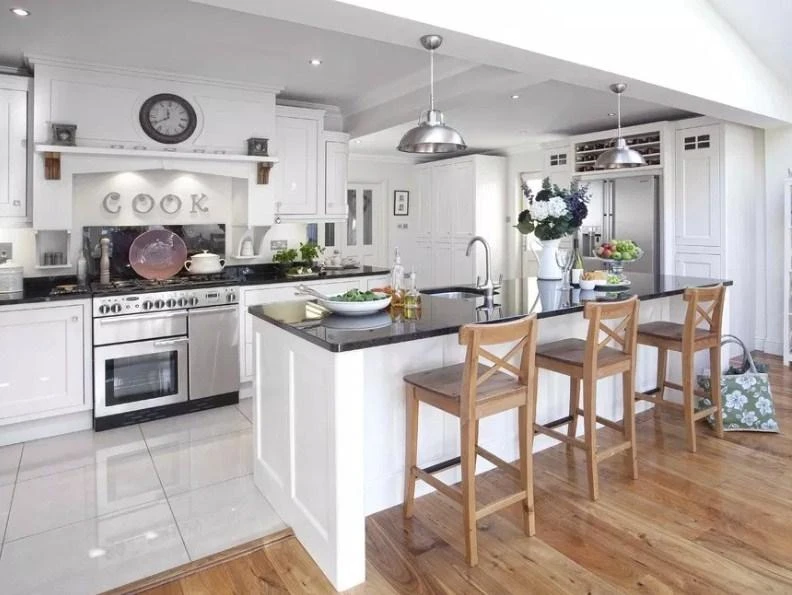

Transitioning between different flooring types, such as tile and wood, can be both a functional and design challenge. The transition between these two surfaces needs to be smooth to ensure a seamless flow and avoid potential tripping hazards. Moreover, it offers an opportunity to enhance the aesthetic appeal of your space. Here are ten creative and practical ideas for achieving the perfect tile-to-wood floor transition in your kitchen.
1. Metal Strip Transition
Overview: A metal strip transition is one of the most popular and practical solutions for connecting tile and wood floors. Typically made of aluminum, brass, or stainless steel, these strips provide a durable and sleek finish that stands up well to heavy foot traffic.
Benefits:
Durability: Metal strips are robust and resistant to wear, making them ideal for high-traffic areas.Easy Maintenance: They are simple to clean and maintain.Modern Aesthetic: The sleek, polished look of metal complements contemporary and minimalist designs.Design Tips:
Match the Metal Finish: Choose a metal finish that complements other hardware in your kitchen, such as cabinet handles or faucet finishes.Consider Profile Heights: Metal strips come in various profiles. Ensure the strip you choose accommodates the height difference between the tile and wood.2. Mosaic or Threshold Transition
Overview: Mosaic or threshold transitions use a strip of decorative tiles or a custom threshold piece to bridge the gap between two flooring types. This option allows for creative expression and can add a distinctive touch to your kitchen.
Benefits:
Customization: You can use a variety of materials and colors to create a unique design.Visual Interest: A mosaic or decorative threshold can act as a focal point in your transition area.Design Tips:
Choose Coordinated Colors: Ensure the colors and patterns of the mosaic or threshold complement both the tile and wood floors.Size Matters: A threshold that is too narrow or too wide can look out of place. Measure carefully to achieve a balanced look.3. End-Cap Transition
Overview: An end-cap transition features a special strip that covers the raw edges of the tile and wood flooring. This transition piece is often used when the two floors are at the same height but need a neat finish.
Benefits:
Clean Finish: Provides a polished look by covering the edges of both flooring types.Low Profile: The transition is often subtle, which works well for modern or minimalist interiors.Design Tips:
Match Materials: Use an end-cap transition that matches or complements the materials of your flooring for a cohesive look.Check Compatibility: Ensure the end-cap transition is compatible with the thickness and type of both the tile and wood.4. Blended Flow Transition
Overview: Blended flow transitions use design techniques to merge the tile and wood floors seamlessly. This can be achieved through gradual color gradients, patterns, or the use of intermediate materials to create a flowing transition.
Benefits:
Seamless Appearance: Creates a smooth, gradual transition that blends the two flooring types together.Unique Design: Allows for creative and customized design elements.Design Tips:
Use Color Gradients: Gradually transitioning colors can help blend the tile and wood more naturally.Incorporate Intermediate Materials: Consider using materials like cork or rubber to bridge the gap and enhance comfort.5. Border Transition
Overview: A border transition involves adding a border of complementary materials or patterns around the junction of tile and wood floors. This can define the transition area and create a distinct separation between the two flooring types.
Benefits:
Design Flexibility: Allows for creative use of patterns and materials to define the transition area.Visual Appeal: A well-designed border can enhance the overall aesthetic of your kitchen.Design Tips:
Choose Contrasting Materials: A border of contrasting materials or colors can make the transition more visually striking.Consistent Style: Ensure the border style complements the overall design theme of your kitchen.6. Diagonal Transition
Overview: Diagonal transitions use diagonal lines or patterns to create an interesting visual effect where tile meets wood. This approach can add dynamism and movement to the floor design.
Benefits:
Unique Look: Diagonal patterns offer a distinctive and modern aesthetic.Versatility: Works well with both traditional and contemporary styles.Design Tips:
Align Patterns: Make sure diagonal lines align properly to create a harmonious transition.Consider Tile Layout: The direction of the tile and wood patterns should complement each other.7. Herringbone Transition
Overview: A herringbone transition features a pattern where the tile or wood flooring is arranged in a zigzag or broken chevron pattern. This can create a stylish and intricate transition that stands out.
Benefits:
Elegant Pattern: Adds a sophisticated and classic touch to your flooring transition.Visual Interest: The herringbone pattern draws the eye and adds texture to the space.Design Tips:
Pattern Consistency: Ensure the herringbone pattern is consistent and aligns well between the two flooring types.Complementary Colors: Choose colors that work well together to enhance the overall look.8. Flush Transition
Overview: A flush transition involves leveling the tile and wood floors so that they meet seamlessly without any visible strip or height difference. This transition creates a smooth, uninterrupted flow between the two surfaces.
Benefits:
Smooth Surface: Provides a seamless and sophisticated look.No Tripping Hazards: Eliminates any potential trip hazards at the transition point.Design Tips:
Professional Installation: Proper leveling and installation are crucial to achieve a flush transition.Consider Subflooring: Ensure the subflooring is appropriately prepared to support a flush transition.9. Decorative Transition
Overview: Decorative transitions use intricate designs, patterns, or inlays to create a visually appealing transition between tile and wood floors. This approach can enhance the aesthetic of your kitchen and add a personal touch.
Benefits:
Customization: Offers a high degree of customization to match your design preferences.Artistic Touch: Adds a decorative element that can become a focal point.Design Tips:
Choose a Theme: Select a decorative style that complements the overall design of your kitchen.Ensure Durability: Use durable materials that can withstand foot traffic and wear.10. Medallion Transition
Overview: A medallion transition features a central design element or medallion where the tile and wood floors meet. This can serve as a decorative centerpiece and add a touch of luxury to your kitchen.
Benefits:
High Visual Impact: Creates a striking focal point and adds elegance to the transition area.Custom Design: Allows for bespoke designs and customization.Design Tips:
Center the Medallion: Ensure the medallion is centrally placed for a balanced look.Coordinate with Floors: Choose a medallion design that complements both the tile and wood floors.Conclusion
Choosing the right transition for your tile-to-wood flooring junction depends on your design preferences, the functional requirements of your space, and the overall style of your kitchen. Whether you opt for a sleek metal strip or a decorative medallion, the transition should seamlessly connect the two flooring types while enhancing the aesthetic appeal of your space. By considering the various transition ideas outlined above, you can create a kitchen floor that is both stylish and practical.



























Sign in to leave a comment.