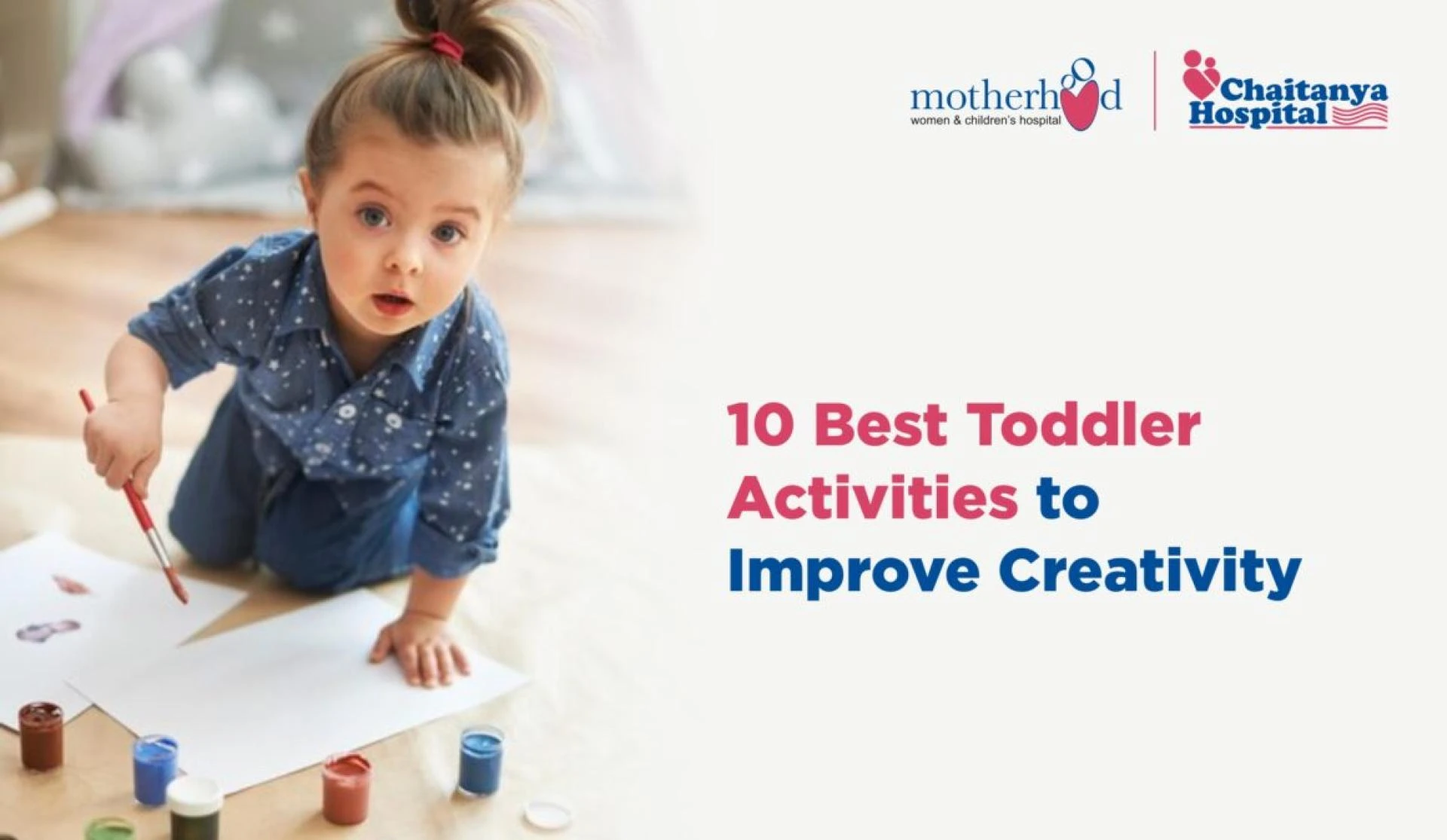

The foundation for lifelong learning is laid throughout a child’s formative years, so encouraging creativity in them in the early years not only makes parents content but also has a significant impact on how they turn out in the future. With the help of developmental research and child psychology, we will take you on a tour through the top ten toddler activities that foster creativity. Every activity has been thoughtfully chosen to support a toddler’s cognitive development while also capturing their imagination and meeting their developmental milestones. Parents can create an environment where their toddlers not only flourish but also realize the limitless potential within their developing minds by incorporating play with purpose.
Ten Best Toddler Activities to Improve Creativity
Indulge in Music and Singing With Your Toddler
By engaging in musical activities, parents not only entertain their children but also help them develop a love for self-expression and exploration. For toddlers, music is a universal language that speaks to them deeply. It’s catchy melodies and rhythmic patterns improve language and memory while also promoting cognitive growth. A love of diversity is fostered by introducing them to a variety of genres, which expands their auditory experiences. Play music as a background while the kids are playing. Select tunes with upbeat melodies and
Dramatic Play
Toddlers are encouraged to utilize their imaginations to create settings, characters, and stories through dramatic play. It frequently entails speaking with adults or peers; toddlers benefit from this social component of role-playing as they acquire important social skills, including empathy, cooperation, and communication. Provide a special area with an assortment of accessories and outfits so that young children can pretend to be other people. Choose open-ended subjects so that young children can explore and interpret them in different ways. Engage your child in active role-playing during the dramatic performance. Set an example of many positions, promote communication, and exhibit original thought.
Toddler Activities: Puzzle Playtime, Musical Instrument, Finger Painting Fiesta, Dress-Up Dazzle, Balloon Bonanza
Getting Your Toddler Play
One effective way to enhance your toddler’s creativity is by introducing them to a diverse range of toys. Children can benefit greatly from playing with toys that stimulate various senses and skills. For instance, providing building blocks allows them to explore spatial relationships and practice coordination, while artistic tools like crayons and paper encourage self-expression. Additionally, educational toys such as alphabet blocks or counting games promote early learning in a fun and engaging manner. As a result, It’s crucial to strike a balance between different types of toys to offer a well-rounded play experience. Allowing your toddler to interact with a variety of toys, you not only keep playtime exciting but also nurture a holistic approach to creativity, encompassing both physical and cognitive aspects.
Toddler Activities: Mini Gardeners, Planting, Nurturing Nature, Crafting Characters, Stories and Fun with Food Art
Less Screen Exposure
In the age of technology, it’s crucial to limit screen exposure for toddlers. Excessive time spent on mobile devices and watching TV can hinder the development of creativity and imagination. Experts recommend limiting screen time to no more than one hour per day for toddlers aged 2 to 5 years old, with a focus on high-quality, educational content. Opt for interactive and age-appropriate apps or programs that engage toddlers in learning activities rather than passive viewing. Create designated screen-free zones and times within your home, fostering an environment that encourages hands-on play, exploration, and face-to-face interactions. Prioritise activities that stimulate the senses and allow toddlers to engage with the real world, laying the foundation for a healthy balance between technology and creative play.











Sign in to leave a comment.