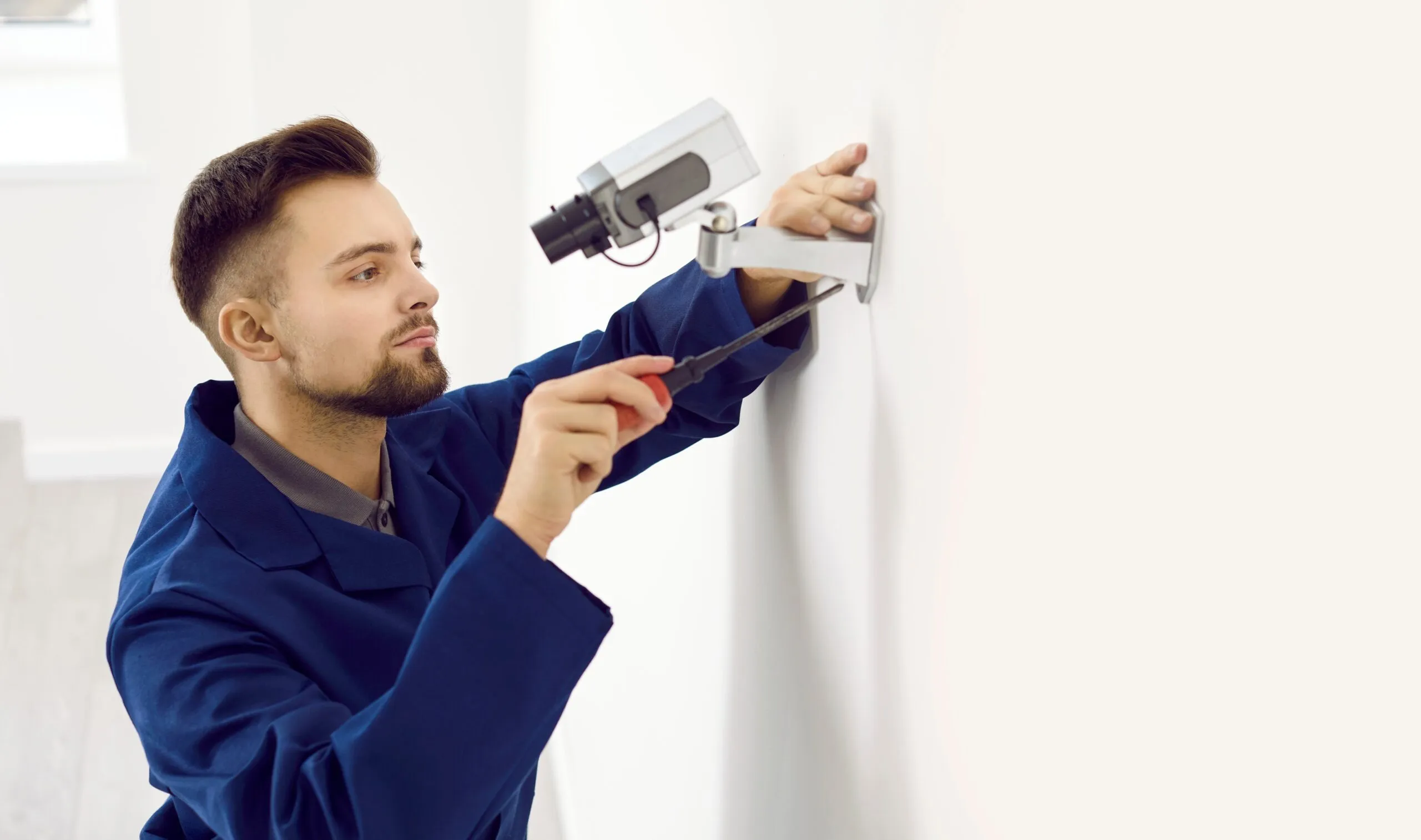

Is your home actually as safe as you think? Most homeowners treat security like a "set it and forget it" task. However, in 2026, burglars are more tech-savvy, and simple oversights can turn your home into a target.
To help you stay ahead, we have analyzed the most frequent security blunders and provided professional fixes to turn your home into a fortress.
1. The "Hidden" Spare Key Trap
We’ve all done it: hiding a key under a fake rock, a flowerpot, or the doormat. In 2026, burglars are well-aware of these "classic" spots.
The Fix: Ditch the physical spare key entirely. Upgrade to a smart deadbolt with unique entry codes for family and guests. If you must keep a physical key, use a secure lockbox bolted in a non-obvious location or leave a key with a trusted neighbor.
2. Neglecting the "Secondary" Entrances
Most people focus on the front door, but 2026 crime data shows an increase in break-ins via garage side doors and basement windows. These areas are often darker and offer more privacy for a thief to work.
The Fix: Ensure every entry point—including the garage-to-house door—has a high-quality deadbolt and a contact sensor. Reinforce sliding glass doors with a security bar (a "charley bar") to prevent them from being lifted off their tracks.
3. Landscaping That Provides "Cover"
Your beautiful, tall hedges might give you privacy, but they also give a burglar a place to hide while they pry open a window. Overgrown bushes near windows are a criminal's best friend.
The Fix: Follow the "3-foot/7-foot" rule. Keep shrubs trimmed to no more than 3 feet high and tree canopies trimmed up to at least 7 feet. This maintains clear sightlines from the street to your home’s entry points.
4. Advertising Your Absence on Social Media
Posting "Vacation Mode: Activated!" while you are sitting at the airport is an open invitation for a break-in. In the age of digital footprints, burglars use social media to "window shop" for empty houses.
The Fix: Wait until you are back home to share your travel photos. If you must post, ensure your privacy settings are strictly limited to close friends and family, and never tag your location in real-time.
5. Leaving "Evidence" on the Curb
Did you just buy a 75-inch OLED TV or a high-end gaming console? Leaving the empty boxes on the curb for trash day tells everyone exactly what expensive "prizes" are waiting inside your house.
The Fix: Break down all large boxes and turn them inside out so the branding isn't visible. Better yet, take high-value packaging directly to a recycling center rather than leaving it in front of your house.
6. The "Silent" Alarm System
Having an alarm system is great, but if you don’t arm it while you’re at home or just "popping out for five minutes," it’s useless. Many break-ins happen during the day while the resident is in the backyard or a quick errand.
The Fix: Make arming your system a habit. Use the "Stay" mode while you’re inside to secure the perimeter while allowing you to move freely. Set up "Geofencing" in your security app so it reminds you to arm the system the moment your phone leaves the driveway.
7. Ignoring Smart Home Cybersecurity
In 2026, your home security systems is only as strong as your Wi-Fi password. Hackers can disable smart cameras or unlock smart doors if your network is poorly defended.
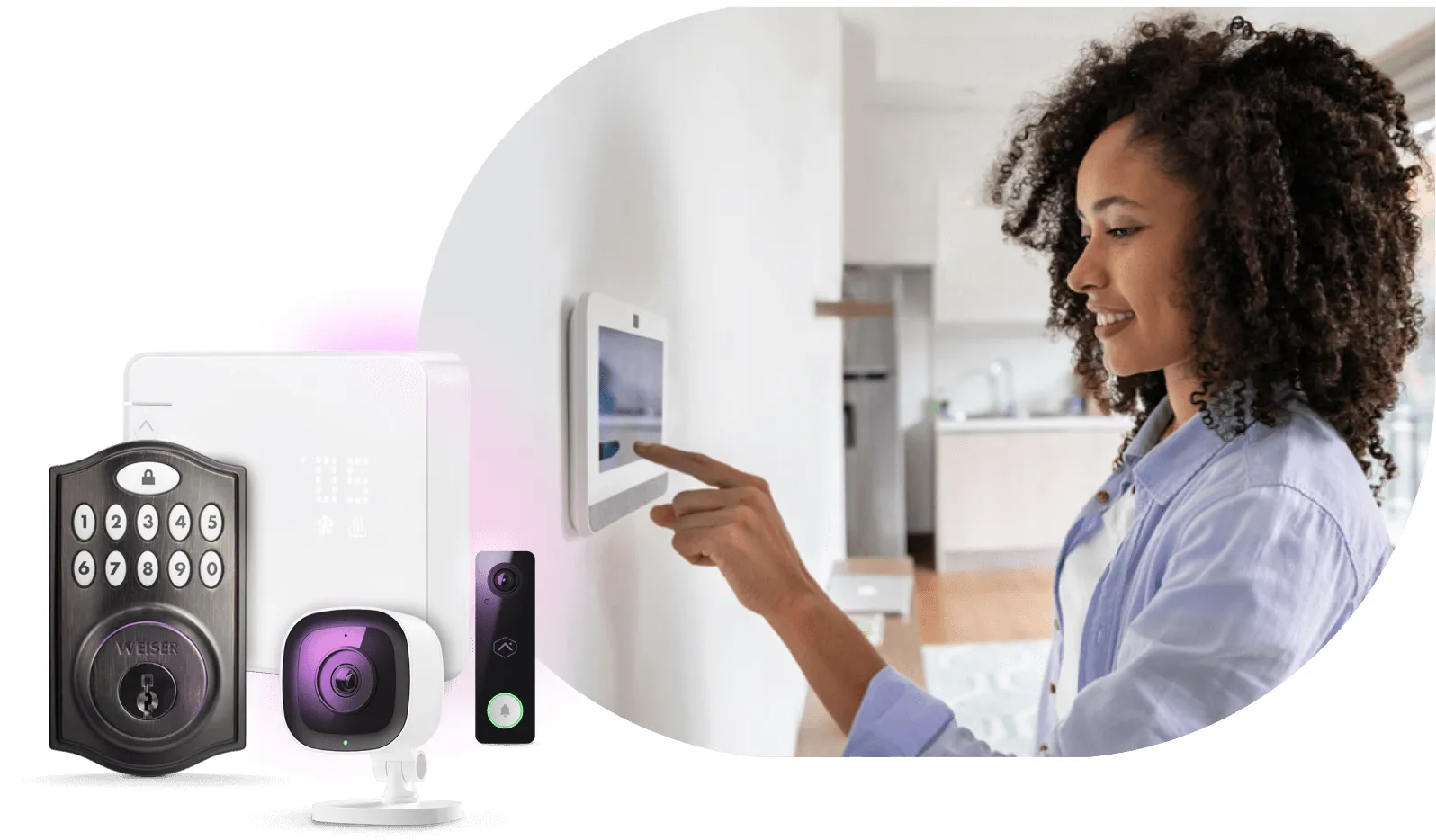
The Fix: Move your security devices to a "Guest" network or a separate VLAN so they are isolated from your main computers. Always enable Multi-Factor Authentication (MFA) on your security apps and never use the default "Admin" passwords that come with the devices.
8. Relying on "Deterrence Only" (The Fake Camera Myth)
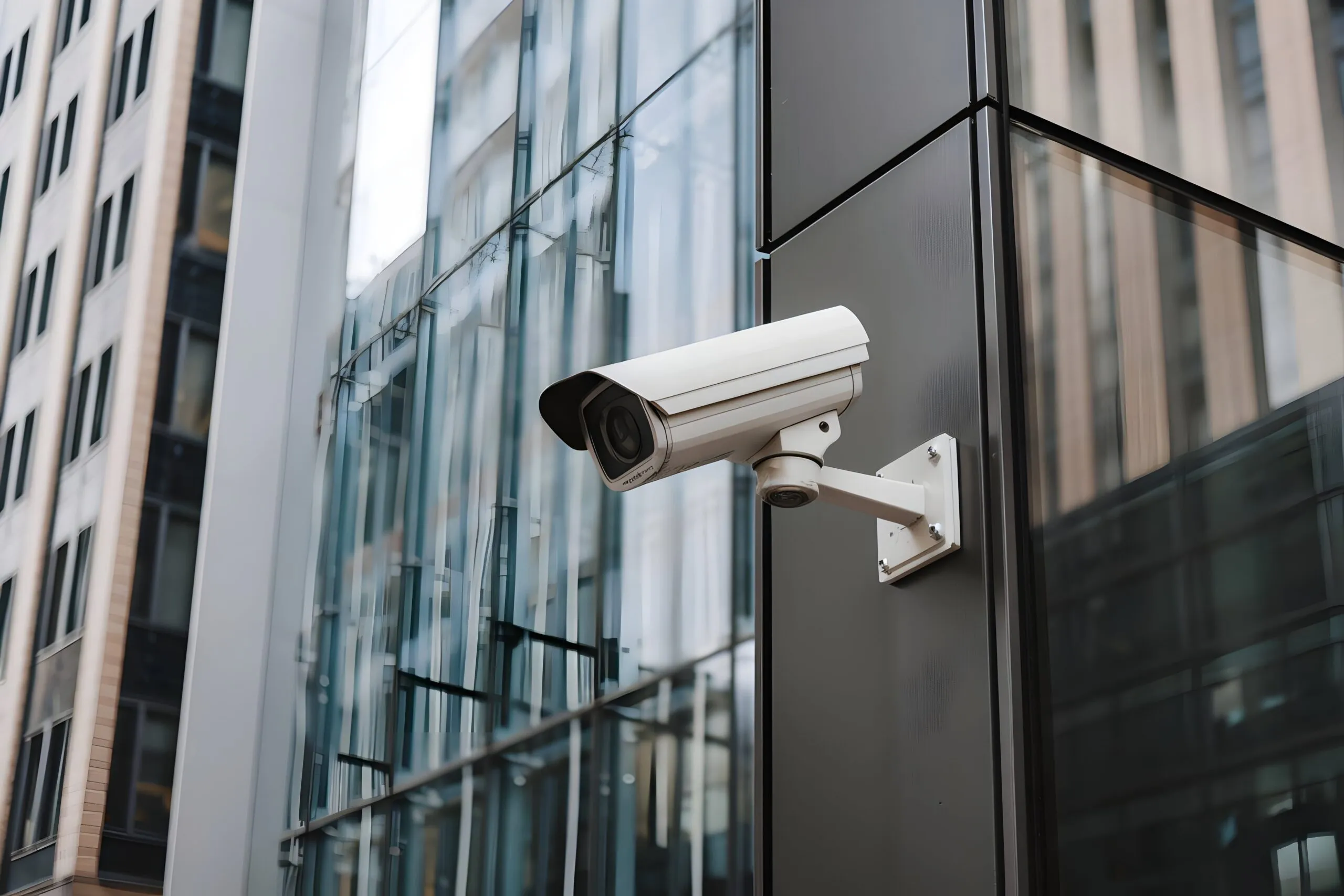
Some homeowners install "dummy" cameras or just a security yard sign without a real system. Experienced burglars can easily spot fake cameras (due to the lack of wires or cheap plastic builds) and will call your bluff.
The Fix: Real security requires verified response. If you are on a budget, it is better to have one high-quality, functioning doorbell camera than four fake ones. A working system provides the evidence needed for police to actually take action.
9. Poor Exterior Lighting Strategy
A single porch light isn't enough. Dark shadows around side gates or the driveway allow intruders to approach your home completely unseen by your cameras.
The Fix: Use motion-activated LED lighting. The sudden burst of light is a psychological deterrent that makes burglars feel exposed. Position lights high enough so they cannot be easily tampered with or unscrewed.
10. Failing the "Verification" Test
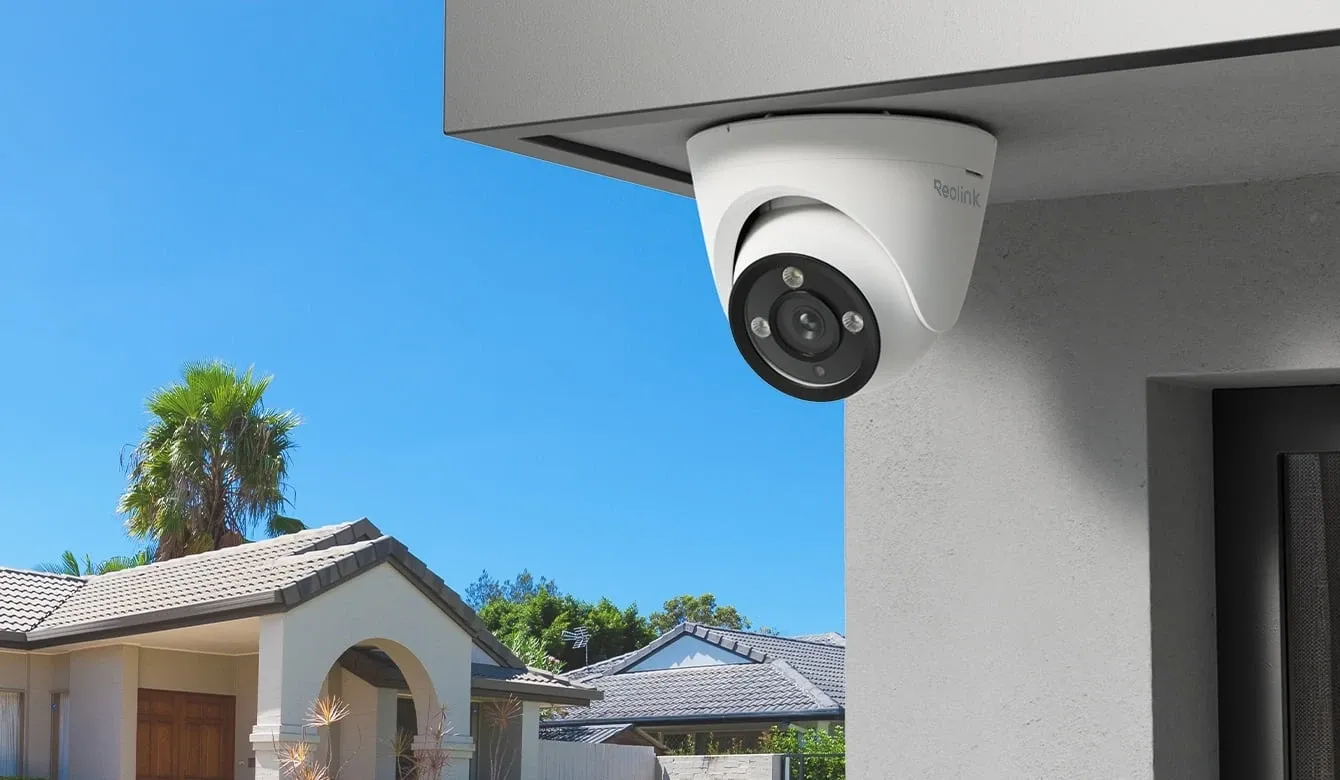
The biggest mistake in 2026 is having a system that generates too many false alarms. If your camera triggers every time a cat walks by, you will eventually ignore the notifications—and so will the police.
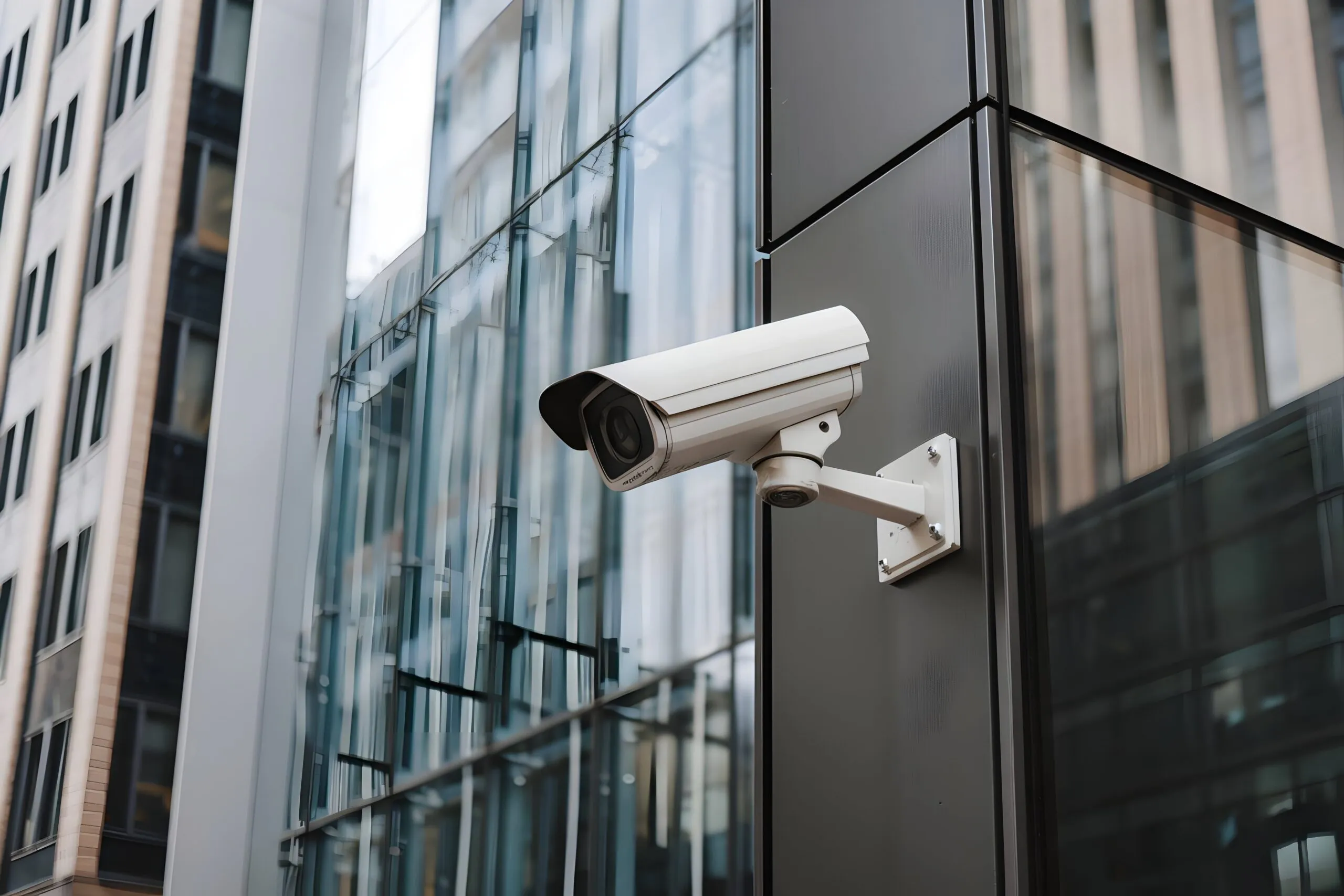
The Fix: Design your system for AI-human verification. Use cameras with "Person Detection" to filter out shadows and animals. If your system is professionally monitored, ensure they use "Video Verification" so they can tell the police a crime is actually in progress, which leads to much faster response times.
Conclusion: Think Like a Pro
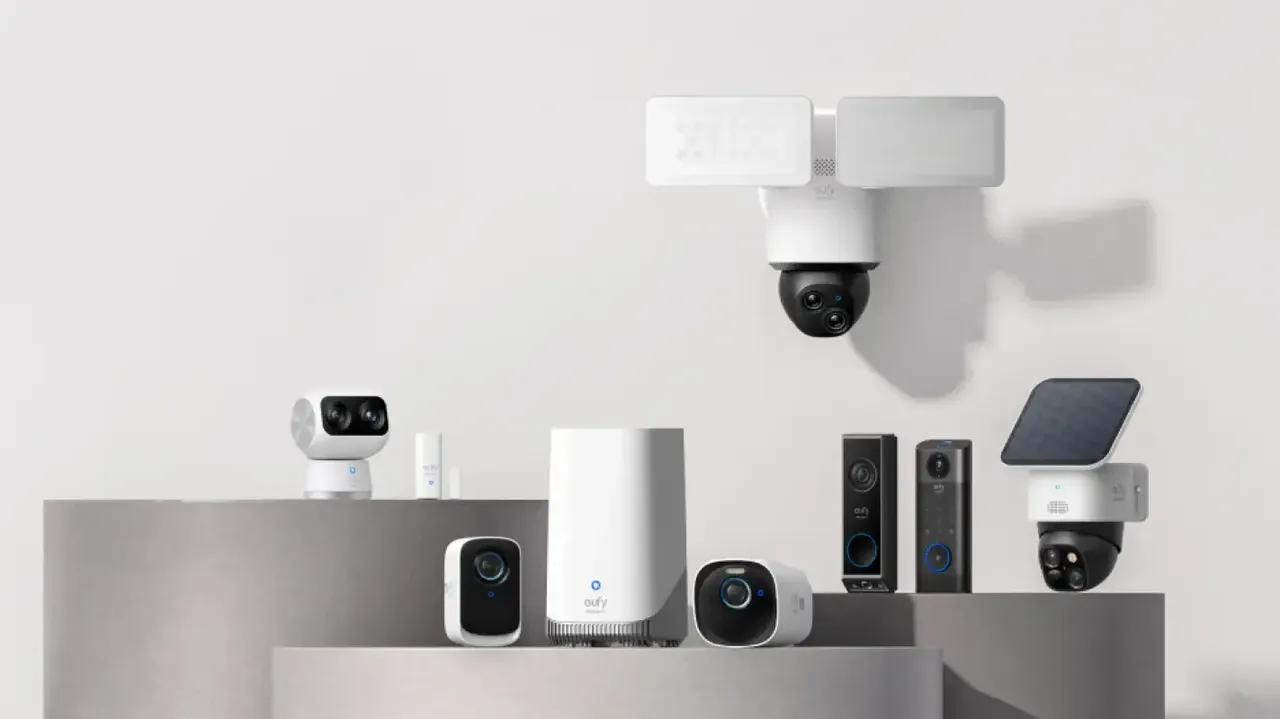
Home security isn't about one single gadget; it's about layers. By avoiding these ten common mistakes, you eliminate the "easy wins" for criminals. Start by checking your landscaping today, and work your way toward a fully encrypted, smart-monitored home.




























Sign in to leave a comment.