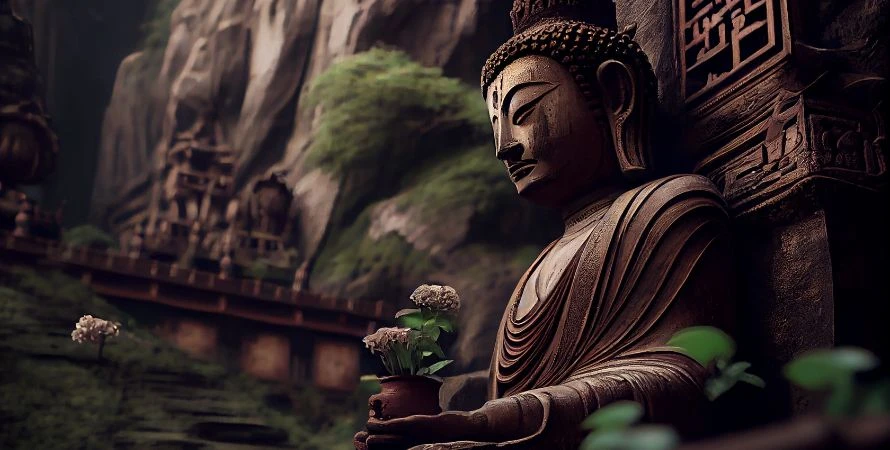

The Ajanta and Ellora Caves are a remarkable testament to India's rich cultural heritage and artistic achievements. Located near Aurangabad in Maharashtra, these ancient rock-cut cave complexes are UNESCO World Heritage Sites and attract thousands of visitors each year. The caves showcase exquisite sculptures, breathtaking paintings, and intricate architecture, providing a glimpse into the past. In this article, we will delve into the history, significance, and mysteries surrounding Ajanta and Ellora Caves, as well as provide practical tips for visiting these fascinating sites.
The History and Significance of Ajanta Caves
The Ajanta Caves date back to the 2nd century BCE and were created by Buddhist monks. These caves served as monastic retreats and were adorned with elaborate paintings depicting the life of Buddha, Jataka tales, and various mythological scenes. The exquisite artistry and craftsmanship displayed in the Ajanta Caves highlight the artistic prowess of the ancient Indian civilization. The caves were abandoned in the 7th century CE and remained hidden from the world until their rediscovery in the 19th century by a British officer named John Smith.
The History and Significance of Ellora Caves
Unlike the Ajanta Caves, the Ellora Caves represent a fusion of three different religions: Buddhism, Hinduism, and Jainism. These caves were carved out of the Charanandri Hills between the 5th and 10th centuries CE. The Ellora Caves consist of 34 monasteries and temples, each showcasing unique architectural styles and religious motifs. The most notable cave is the Kailash Temple, dedicated to Lord Shiva, which is the largest monolithic structure in the world. The Ellora Caves are a testament to the religious harmony that prevailed during ancient times in India.
10 Interesting Facts
1. The magnificent Kailasa Temple
In the Ellora caves, the Kailasa Temple is cave number 16. Because of its size and style, it is the most famous attraction cave, and it is fully cut out of a single rock. Mount Kailash inspired the shrine, which is dedicated to Lord Shiva.
Among other rock-cut monuments, it was dubbed "a wonder of the world" by Carmel Berkson. It is regarded as a significant example of temple construction from 1st-millennium Indian history.
2. Sculptures and paintings from antiquity
Buddhism and its loving spirit influenced the ancient paintings and sculptures in the Ajanta and Ellora caves. When you visit the famed Ajanta cave, you are sure to love the old paintings associated with Gautam Buddha and his Jataka tales. The picture depicts Gautam Buddha's life tale.
Later, in 1983, UNESCO designated the Ajanta and Ellora caves as a World Heritage Site because the paintings and sculptures were considered masterpieces of Buddhist religious art and had a significant influence on the development of art in India.
3. The Chaitya griha and the Vihara
The two types of caves are vihara and chaitya griha. Viharas are square halls with little cells along the sidewalls that were used for dwelling and devotion. Monks used the cells for rest and other tasks, while the central bigger square space was used for prayers. Chaitya grihas are prayer chambers. They are, however, large tunnel-like caves with circular pillars on both sides and a stupa at the end as a symbol of Lord Buddha.
4. The cave of Vishvakarma
Vishvakarma cave is the most captivating in Ellora since it embodies a Buddhist shrine as well as a stupa. It is a chaitya worship hall that was constructed around 650 CE. The 'Carpenter's Cave' got its name because the rock was given a polish that resembled a wooden beam. The caverns are multi-story structures that housed monks and served as living rooms, kitchens, and sleeping chambers.
5. Dashavatara Temple
This is another large excavation that was conducted following Cave 14. Dashavatara Temple is located in cave number 15. It has an open court in the center with a freestanding monolithic ' mandapa' and an excavated temple in the back.
It is well-known for displaying Lord Vishnu in ten various avatars. According to Coomaraswamy, the best relief in the cave shows Hiranyakashipu's demise, with Vishnu emerging from a pillar to place a lethal hand on his shoulder. As a result, it is a Rastrakoot.
6. The caves were carved at various times
The Ajanta and Ellora caves are recognized as the same historical landmark, yet they were carved during distinct historical times, including tourism and touring.
The Ajanta caves have a long history, having been built between the 5th and 11th centuries A.D. by numerous guilds from Vidarbha, Karnataka, and Tamil Nadu, whereas the Ellora caverns date back to the 9th century BC. They are newer than the Ajanta caves. The Hindu period lasted from 550AD to 600AD, the Buddhist phase from 600AD to 730AD, and the Hindu and Jain phases from 730AD to 950AD.
7. Lord Parshvanath etched in rock
The Jain temple houses a 16-foot-tall rock-carved figure of Lord Parshvanath from the Rashtrakuta dynasty. It bears an inscription dating from 1234AD. The inscription refers to Charana Hill as a holy location. Dharaiedndra and Padmavati encircle the portrait. It is still in use as a place of worship. The ASI does not safeguard it, but it is handled by a Jain Gurukul.
8. The center of attraction is Cave 26
Cave 26 is a significantly larger worship chamber with characteristics of a Vihara style. It is regarded as a tourist attraction because of the miracle of Shravasti, which is a family group. It was a village where the locals considered themselves fortunate since they had seen Mahatma Buddha.
This family group was painted in this cave and was seen to represent an ideal family at the time, as well as God's visage, which reflects his spiritual advancement.
9. The caves symbolize several traditions.
The Ellora and Ajanta caves showcase ancient India's various customs and religious tolerance. As a result, the Ellora carvings and monuments are associated with Hindu, Jain, and Buddhist cultures, whilst the Ajanta monuments are associated with Buddhist cultures.
The Ellora monuments and carvings, which include the Rashtrakutas, Kalachuris, Chalukyas, and Yadavas, are examples of this. The Rashtrakutas and Kalachuris, on the other hand, were built as part of the Hindu and Buddhist caves of Ellora, while the Yadava was built as a series of Jain caves.
10. They are a collection of several caves.
The number of caverns at Ajanta and Ellora differs. Ajanta features a collection of 29 caves that are among the finest specimens of early Buddhist architecture, cave paintings, and sculptures. Ellora features around 34 caves that house Buddhist Chaityas or halls of worship, Viharas or monasteries, and Hindu and Jain temples.
The Mysteries Surrounding Ajanta and Ellora Caves
While the Ajanta and Ellora Caves have fascinated historians and archaeologists for centuries, they still hold many mysteries waiting to be unraveled. One of the greatest mysteries is how the ancient artisans managed to create such intricate sculptures and paintings in the dimly lit caves. The source of light during the construction of these caves remains unknown, as there are no visible traces of soot or lamp fixtures. Additionally, the purpose behind certain enigmatic symbols and figures depicted in the artwork is yet to be fully understood. These mysteries continue to fuel speculation and intrigue.
Exploring the Architecture of Ajanta Caves
The architecture of the Ajanta Caves is a fine example of ancient Indian rock-cut architecture. The caves are carved into a horseshoe-shaped cliff, with each cave designed to serve a specific purpose. The viharas (monastic chambers) are rectangular in shape, while the chaitya halls (prayer halls) have a semi-circular apse. The intricate detailing, elegant columns, and stunning sculptures within the caves showcase the skill and creativity of the craftsmen. Exploring the Ajanta Caves is like stepping back in time and marveling at the artistic genius of ancient India.
Exploring the Architecture of Ellora Caves
The architecture of the Ellora Caves is a fascinating blend of different architectural styles. The Buddhist caves feature simple and elegant designs, while the Hindu and Jain caves are more ornate and elaborate. The Kailash Temple, dedicated to Lord Shiva, is a masterpiece of Dravidian architecture, with intricate carvings and sculptures adorning its walls. The monastic caves of Ellora are characterized by their spacious interiors and vaulted ceilings. Each cave tells a unique story through its architectural elements, and visiting the Ellora Caves is a truly immersive experience.
How to Reach Ajanta and Ellora Caves - Cab Services in Aurangabad
To reach the Ajanta and Ellora Caves, the most convenient mode of transportation is by hiring a cab service in Aurangabad. Aurangabad has well-established taxi services that offer comfortable and reliable transportation to the caves. By opting for a cab service, visitors can enjoy a hassle-free journey and have the flexibility to explore the caves at their own pace. The cab drivers are knowledgeable about the area and can provide valuable insights and guidance during the trip. Booking a cab service in Aurangabad ensures a smooth and enjoyable visit to the Ajanta and Ellora Caves.
The Best Time to Visit Ajanta and Ellora Caves
The best time to visit Ajanta and Ellora Caves is during the winter months, from November to February. The weather during this time is pleasant and ideal for exploring the caves. The scorching heat of summer and the heavy rainfall during the monsoon season can make visiting the caves uncomfortable and challenging. It is advisable to check the weather forecast and plan your visit accordingly to make the most of your experience.
Other Attractions near Ajanta and Ellora Caves
A visit to Ajanta and Ellora Caves offers an opportunity to explore other attractions in the vicinity. Aurangabad, the gateway to these ancient caves, has several other historical sites worth visiting. The Bibi Ka Maqbara, often referred to as the mini Taj Mahal, is a stunning mausoleum built in memory of Emperor Aurangzeb's wife. The Daulatabad Fort, once the capital of the Tughlaq Dynasty, is a magnificent fortress with impressive architecture and panoramic views. These attractions add further depth to the cultural and historical significance of the region.
Aurangabad Taxi Service - Exploring Aurangabad and its Surroundings
Apart from visiting the Ajanta and Ellora Caves, hiring an Aurangabad taxi service allows you to explore the city and its surroundings. Aurangabad itself has a rich history and offers attractions such as the Aurangabad Caves, which are Buddhist rock-cut caves, and the Panchakki, a water mill dating back to the medieval period. Additionally, the taxi service can take you to the nearby heritage sites like the famous Ajanta and Ellora Caves, as well as the stunning UNESCO World Heritage Site of the Elephanta Caves, located near Mumbai. Exploring these sites with the convenience of a taxi service ensures a memorable and enriching experience.
Conclusion
The Ajanta and Ellora Caves are a treasure trove of history, art, and spiritual significance. These awe-inspiring caves provide a glimpse into the ancient past and showcase the artistic brilliance of the people who carved them out of solid rock. The mysteries surrounding these caves only add to their allure, leaving visitors captivated and intrigued. By hiring a cab service in Aurangabad, visitors can embark on a memorable journey to explore these magnificent caves and immerse themselves in the rich cultural heritage of India. So, plan your visit, pack your bags, and get ready to be transported to a bygone era as you step into the enigmatic world of Ajanta and Ellora Caves.
CTA: Book your cab service in Aurangabad today and embark on a captivating journey to the Ajanta and Ellora Caves. Experience the magic of ancient India and create memories.
#facts #interesting #history #mysteries #factsonfacts #historyfacts #factsaboutlife #interestingfactsinhindi #facts💯💯💯💯#JBcabs #aurangabadcabservices #AjantaandElloraCaves #ElloraCaves











Sign in to leave a comment.