

Renovating a home before listing it on the market is one of the smartest ways to add value and attract serious buyers. However, it can also become an expensive and time-consuming mistake if approached without proper planning. Many homeowners dive into renovations with the goal of boosting their sale price, but end up over-improving, mismanaging their time, or creating a space that appeals only to them. Here are ten critical mistakes to avoid to ensure your remodel increases value and leads to a successful sale.
1. Personalizing the Design Too Much
Homeowners often design remodels based on their own preferences—bright colors, bold patterns, or trendy layouts. While this might make the space feel more like home to them, it can alienate potential buyers. The goal is to make the home appealing to as many buyers as possible. Choose neutral colors, simple finishes, and timeless materials that allow buyers to imagine adding their own touches.
2. Skipping Permits
It may be tempting to save time and money by not pulling permits for certain types of work, especially for DIY electrical or plumbing projects. But skipping permits can lead to serious problems. Buyers may walk away if inspections uncover unpermitted work, and insurance companies may refuse coverage. Always check with your local building authority and ensure your work is legal and documented.
3. Neglecting Curb Appeal
The exterior of your home sets the tone for the entire showing. No matter how beautiful the interior is, if the lawn is overgrown, the paint is chipped, or the walkway is cracked, buyers may never make it through the front door. Invest in simple upgrades like fresh mulch, power washing, new lighting, and a fresh coat of paint on the door.
4. Over-Improving Beyond the Neighborhood Standard
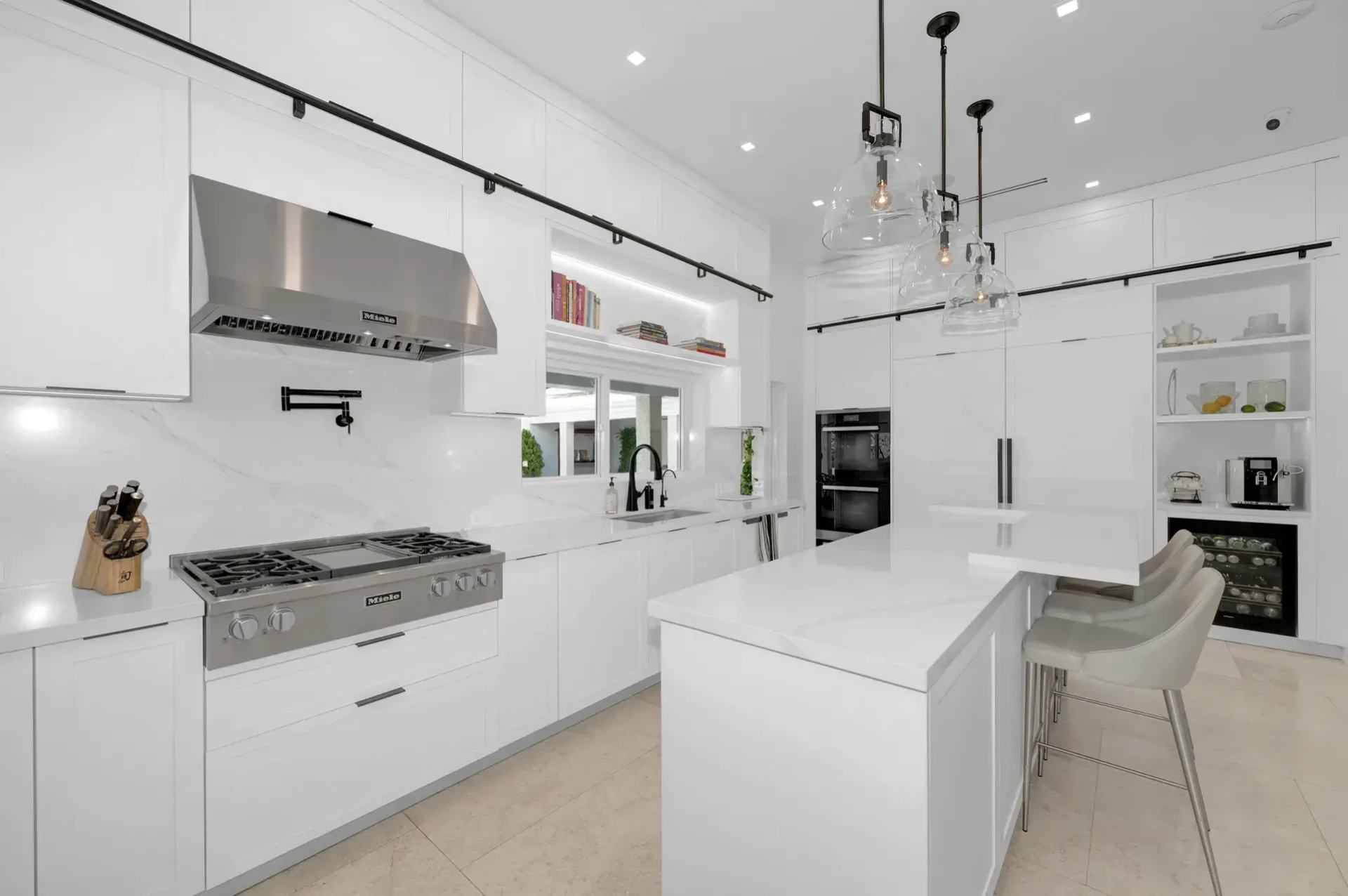
A common trap is to spend money on upgrades that far exceed what’s typical for the neighborhood. Installing marble floors or custom cabinetry might look great but could be a waste of money if the surrounding homes are modest. Buyers won't pay extra for features that price the home out of its market.
5. Attempting Work Beyond Your Skill Level
Doing the work yourself can save thousands—if you know what you're doing. Projects involving framing, roofing, plumbing, or electrical work should be left to licensed professionals. Poor execution not only risks safety but will be obvious to inspectors and savvy buyers, costing more in the long run.
6. Using Cheap Materials
Budget materials may look acceptable at first, but buyers can tell when corners were cut. Flimsy doors, laminate countertops that peel, or easily scratched floors send the message that the home wasn’t improved with care. Opt for mid-grade materials that are durable and stylish without overspending.
7. Reducing or Removing Storage
Minimalist designs are in style, but not at the expense of practicality. Removing closets or cabinetry to make a room appear larger might make the home less functional. Buyers expect a certain amount of storage space, especially in kitchens, bathrooms, and bedrooms.
8. Overlooking Lighting
Lighting can dramatically change how a space feels. A dim room may seem smaller, outdated, or less inviting. Replace old fixtures, add recessed lighting if possible, and consider using higher wattage bulbs or LED lighting to create a bright, modern atmosphere.
9. Poor Layout Decisions
Even expensive finishes can’t overcome a poorly designed floor plan. Make sure the home’s flow makes sense—don't block paths with oversized islands, and avoid putting bathrooms in awkward locations. Good design should enhance how people move naturally through the home.
10. Rushing the Process
Last-minute renovations often lead to sloppy workmanship. Rushed paint jobs, incomplete trim, or visible patchwork signal a lack of care and can turn off buyers. Plan ahead, budget extra time, and finish all work before showing the property.
Final Thoughts
Remodeling a home before selling it can be incredibly rewarding when done right. By avoiding these ten mistakes, sellers can increase their chances of a quicker sale, better offers, and less stress throughout the process. Think like a buyer, stay within budget, and don’t cut corners—it will pay off.
































Sign in to leave a comment.