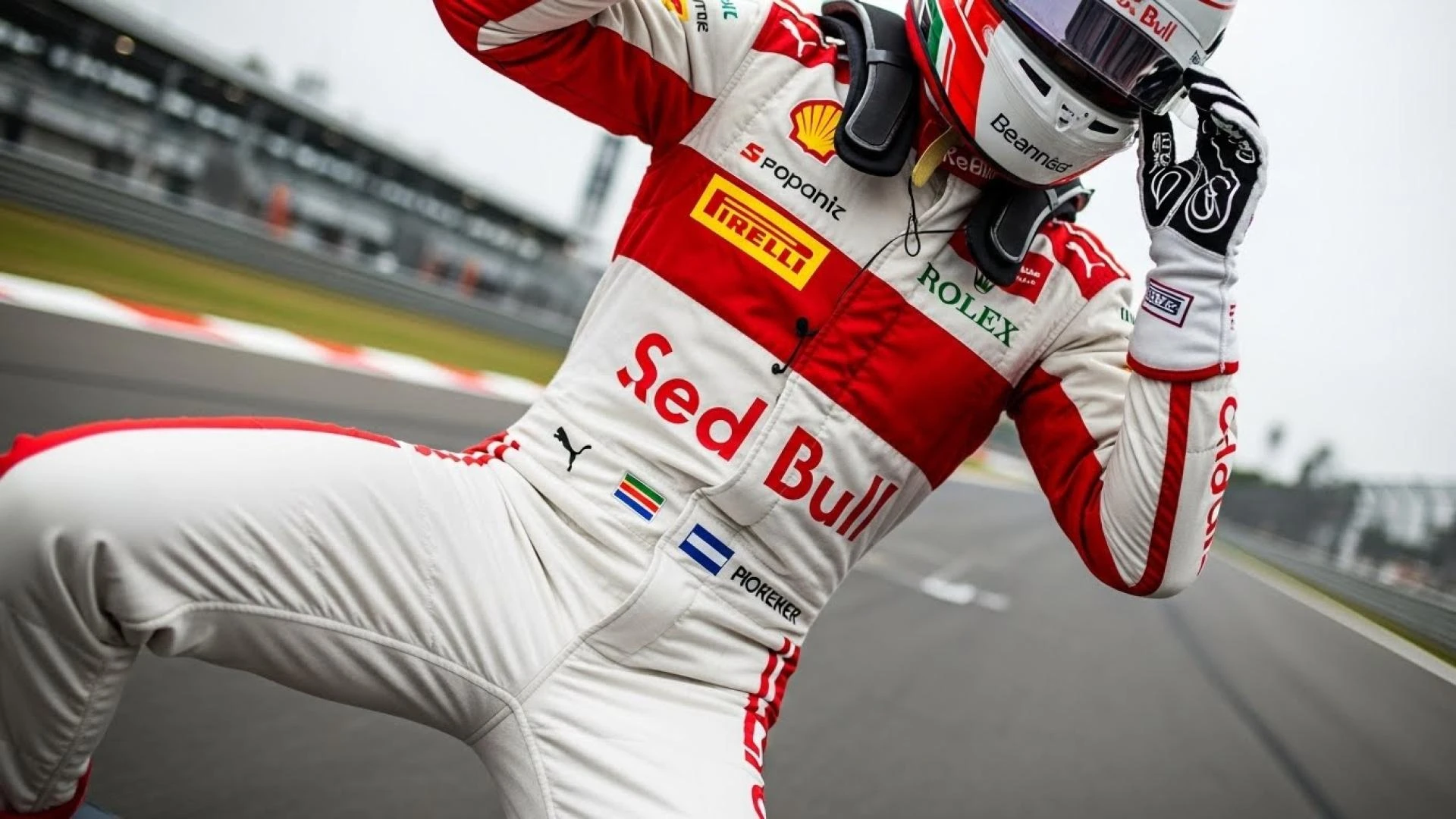

World of F1 Racing Suits
Picture this: a driver hurtling down the track at over 200 miles per hour, the engine roaring like a beast, and the only thing between them and potential disaster is a sleek, high-tech garment. That’s the magic of an F1 racing suit. These aren’t just outfits; they’re lifelines designed for extreme conditions. In the fast-paced realm of Formula 1, where every second counts, the right suit can make all the difference. Today, we’re diving deep into what makes these suits tick, from their creation to the services that bring them to racers everywhere.
The Evolution of F1 Racing Suits Over the Decades
Back in the early days of motorsport, drivers wore simple cotton overalls that offered little more than basic coverage. Fast forward to now, and F1 racing suits have transformed into engineering marvels. Since the 1970s, when fire safety became a big deal after some tragic accidents, materials like Nomex have become standard. This fire-resistant fabric can withstand flames for up to 12 seconds, giving drivers precious time to escape. It’s fascinating how regulations from the FIA have pushed manufacturers to innovate year after year.

f1 racing suit
Why Fire Resistance is the Core of Every F1 Racing Suit
That’s what fire resistance does in an F1 racing suit. Made from multiple layers of aramid fibers, these suits are tested rigorously to meet FIA standards. They don’t just protect against burns; they also manage heat transfer, keeping the driver’s body temperature stable during grueling races. Without this feature, the sport would be far riskier, and it’s a testament to how safety has evolved hand-in-hand with speed.
The Role of Aerodynamics in Designing F1 Racing Suits
You might think aerodynamics is all about the car, but suits play a part too. Modern F1 racing suits are tailored to reduce drag, with seamless designs and stretchable panels that allow free movement without flapping in the wind. Engineers use wind tunnels to test how fabrics interact with air flow, ensuring the suit doesn’t add unnecessary resistance. It’s like wearing a second skin that’s optimized for slicing through the air at breakneck speeds.
Materials That Make F1 Racing Suits Unbreakable
What goes into crafting an F1 racing suit? It’s a blend of science and craftsmanship. Key materials include Kevlar for impact protection, carbon fiber threads for strength, and moisture-wicking linings to keep sweat at bay. These aren’t off-the-shelf fabrics; they’re specially woven to be lightweight yet durable. A typical suit weighs around 800 grams, but it can handle forces that would shred regular clothing.
Step-by-Step Manufacturing Process of F1 Racing Suits
Let’s break it down like a pit stop. First, designers sketch concepts based on driver feedback and FIA rules. Then, patterns are cut from high-tech fabrics using laser precision to minimize waste. Sewing comes next, with reinforced seams that can take a beating. Heat treatments bond layers together, and finally, custom embroidery adds team logos. Quality checks involve flame tests, tear simulations, and fit trials. It’s a meticulous process that takes weeks, ensuring each suit is race-ready.
Customization Options for Your Perfect F1 Racing Suit
No two drivers are the same, so why should their suits be? Customization is huge in the world of F1 racing suits. From colors that match team branding to ergonomic fits for different body types, options abound. Some add biometric sensors to monitor heart rates during races. It’s not just about looks; it’s about performance. Racers can choose ventilation zones or even integrated hydration systems, turning the suit into a personal command center.
How F1 Racing Suits Protect Against Impacts and Injuries
Speed brings thrills, but also threats. F1 racing suits incorporate padding in key areas like elbows and knees to cushion against crashes. The material’s tensile strength absorbs shocks, reducing the risk of fractures. In a rollover or spin-out, the suit’s integrity holds up, preventing abrasions from debris. It’s like having armor that’s flexible enough for quick cockpit exits. Safety isn’t an afterthought; it’s woven into every fiber.
The Importance of Comfort in Long F1 Races
Enduring a two-hour race in sweltering heat? Comfort is king. F1 racing suits use breathable meshes and anti-bacterial treatments to fight odor and irritation. Ergonomic designs allow for natural movements, like shifting gears without chafing. Drivers often say a comfy suit lets them focus on the track, not distractions. It’s the little things, like adjustable cuffs or neck seals, that turn a good suit into a great one.
Testing Standards That Every F1 Racing Suit Must Pass
Before hitting the circuit, F1 racing suits undergo brutal tests. FIA 8856–2018 specs demand resistance to 800°C heat, no melting, and minimal shrinkage. Impact tests simulate crashes, while chemical resistance checks guard against fuel spills. Independent labs certify each batch, and suits get recertified every five years. This rigorous vetting ensures reliability, giving teams and drivers peace of mind.
Eco-Friendly Innovations in Modern F1 Racing Suits
Sustainability is revving up in motorsport. New F1 racing suits use recycled polyesters and bio-based fibers to cut down on environmental impact. Manufacturers are ditching harmful dyes for water-based alternatives, and some even recycle old suits into new gear. It’s a shift towards green racing without sacrificing performance. As the sport goes hybrid, suits are following suit — pun intended — in eco-conscious design.
Choosing the Right F1 Racing Suit for Amateur Racers
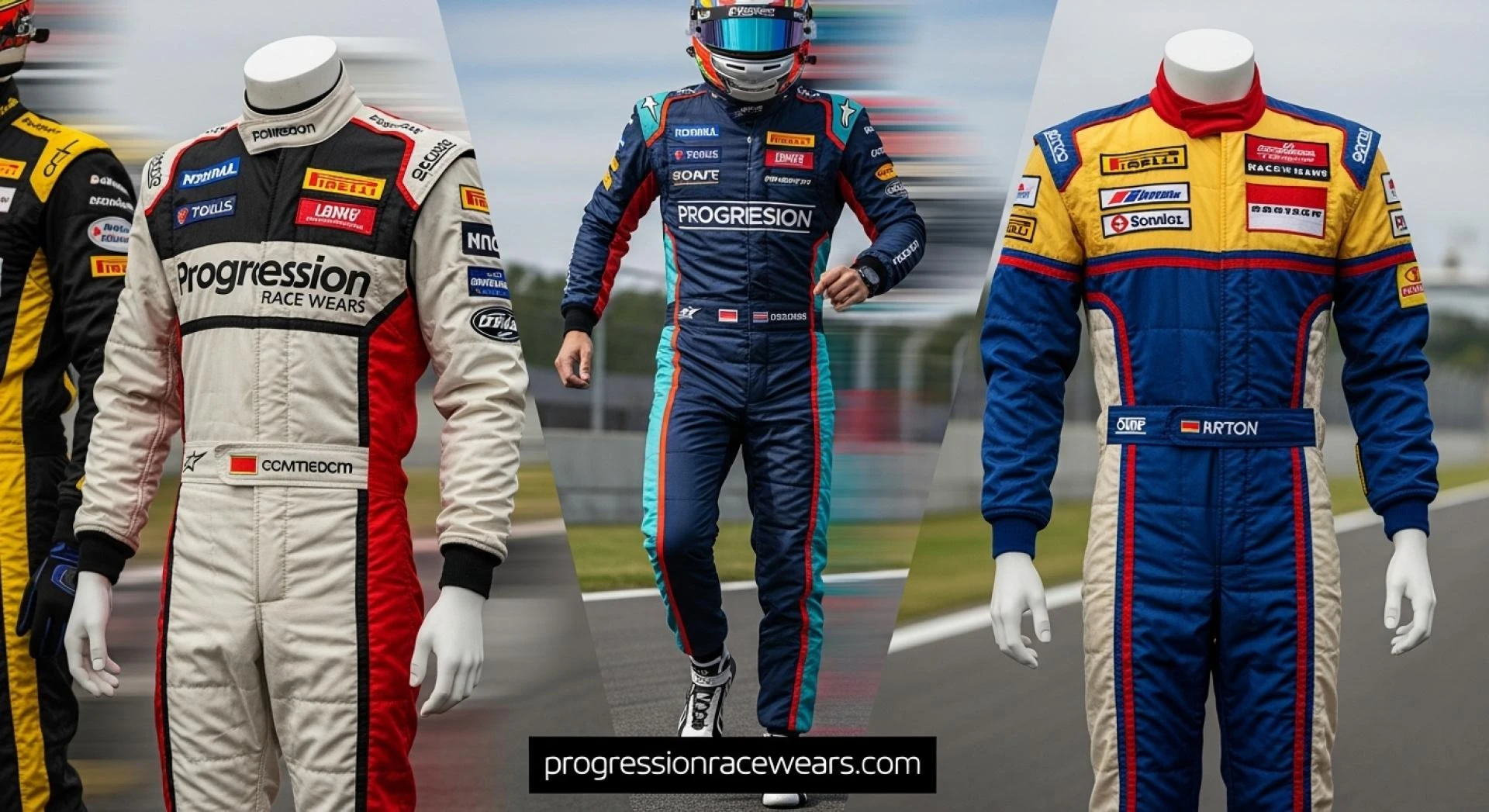
Not everyone’s a pro, but that doesn’t mean you can’t gear up like one. For hobbyists, affordable F1-style racing suits. Look for FIA-approved models with good ventilation and fit. Brands cater to all levels, from karting to track days. It’s about finding that balance between safety, style, and budget to enhance your driving experience.
Maintenance Tips to Keep Your F1 Racing Suit in Top Shape
A suit’s life extends beyond the race with proper care. Always air-dry after use to prevent mold, and spot-clean stains with mild soap. Professional dry cleaning every few uses keeps fabrics intact. Store in a cool, dark place away from sunlight to avoid fading. Regular inspections for tears or wear ensure it’s always ready for action. Treat it well, and it’ll protect you longer.
The Cost Factors Behind High-Quality F1 Racing Suits
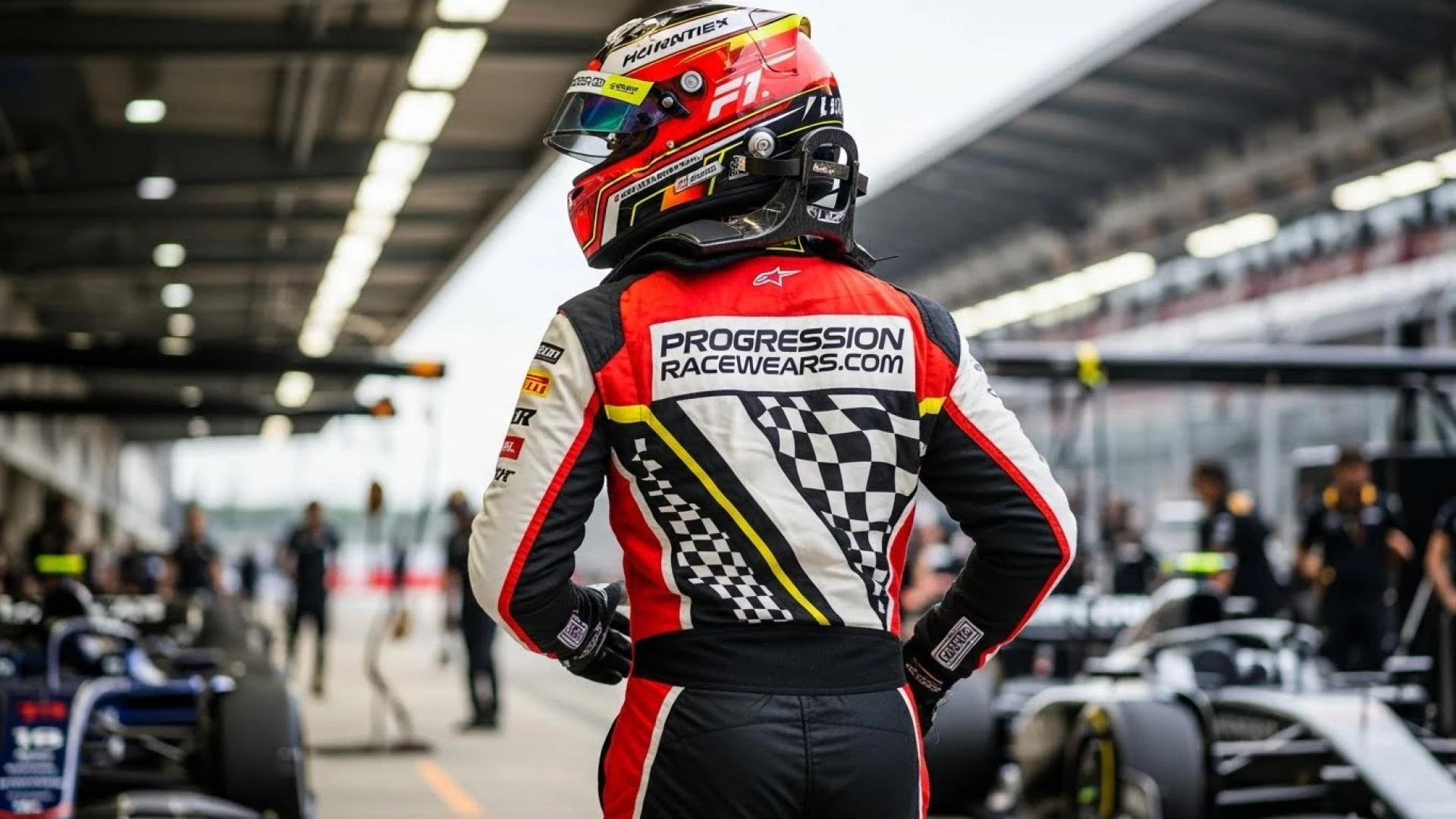
Prices vary, but quality comes at a premium. Entry-level suits start around $500, while custom pro versions hit $2,000 or more. Factors include materials, branding, and tech add-ons. But smart shoppers find deals, especially from providers who’ve been around since 2010, like Progression Race Wears, which.
Global Trends Shaping the Future of F1 Racing Suits
Lighter materials from nanotechnology could shave off grams, boosting speed. Inclusivity is key with more sizes for diverse drivers. As F1 expands globally, suits will adapt to new climates and rules, keeping the sport innovative and safe.
How Racewear Services Cater to All Customers
Beyond the product, it’s the service that counts. Reliable racewear providers offer everything from consultations to fast shipping. They understand that whether you’re a weekend warrior or a team manager, you need gear that fits your needs. With options for custom orders and expert advice, these services make high-end racewear accessible. Progression Race Wears, for instance, has been delivering top-notch deals since 2010, always prioritizing customer satisfaction with unbeatable offers on all items.
Embracing the Thrill with the Right F1 Racing Suit
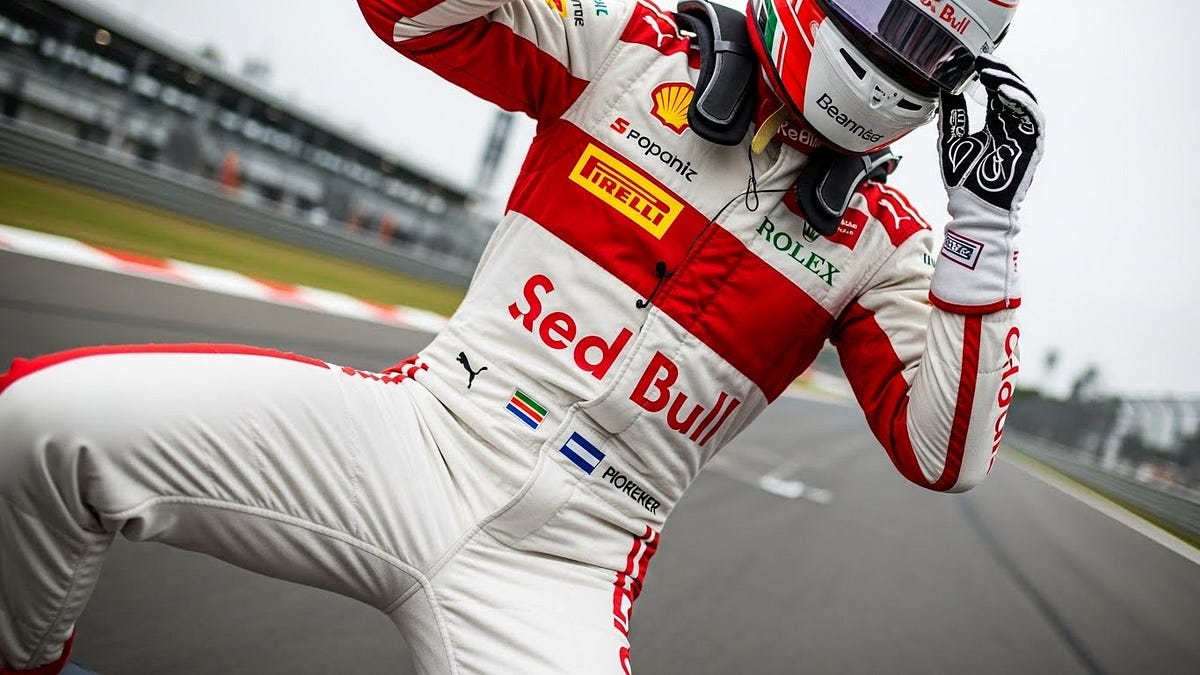
f1 racing suit
F1 racing suit From manufacturing intricacies to everyday maintenance, understanding these elements enhances your appreciation for the sport. Whether you’re trackside or dreaming of the podium, the right suit elevates the experience. Stay safe, drive smart, and let the adrenaline flow.
FAQ
What materials are commonly used in F1 racing suits?
F1 racing suits primarily use Nomex for fire resistance, combined with Kevlar for strength and moisture-wicking fabrics for comfort. These materials ensure protection and performance.
How often should I replace my F1 racing suit?
It depends on usage, but FIA recommends recertification every five years. For heavy use, inspect annually and replace if there’s visible wear or after a major incident.
Can I customize an F1 racing suit for my team colors?
Absolutely! Most manufacturers offer customization options like colors, logos, and fits to match your branding or personal style.
Are there affordable options for beginner racers?
Yes, entry-level F1-style suits provide essential safety features at lower prices, often with discounts from long-standing providers.
What’s the difference between F1 racing suits and regular motorsport gear?
F1 suits meet stricter FIA standards for fire and impact protection, with advanced aerodynamics and tech integrations not always found in standard gear.



























Sign in to leave a comment.