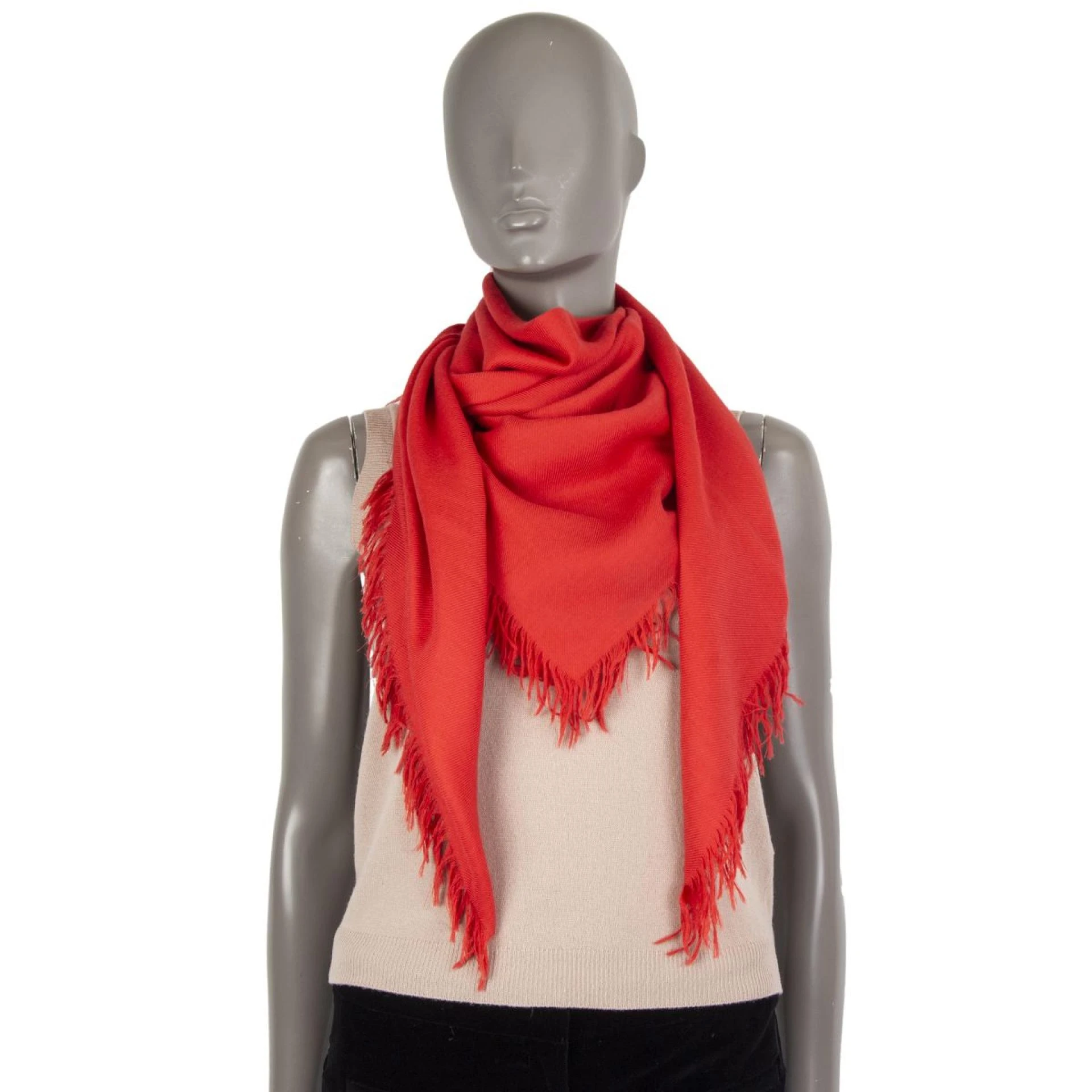

Anyone who has worn a cashmere sweater at least once will confirm: there is simply no softer and more pleasant material. Cashmere is synonymous with comfort, warmth and a pleasant feel to wear. This material owes its name to the Indian state of Kashmir, where, as legend has it, they began to pronounce it for the first time. In the Middle Ages and in modern times, when cashmere became extremely popular in Europe.
Much time has passed since then, but there are still many ambiguities and sometimes outright prejudices regarding cashmere. Some people are sure that cashmere, even today, is prohibitively expensive, while others (yes, don't be surprised) think that sweaters made from this warm fabric are disposable socks. To dispel stereotypes and answer 10 naive questions about cashmere, we asked a recognized expert in working with this difficult art - designer Svetlana Tegin.
How, in Fact, is Cashmere Different from Ordinary Wool?
Cashmere and wool are obtained from different types of animals. Wool is the hairline of sheep and is shaved off. Cashmere is an undercoat, down, which is combed only from goats that live in Mongolia and Inner Mongolia. Their livestock in these regions is very limited, while sheep are a widespread species.
Cashmere is 8 times warmer than wool, but when cashmere goats are raised in other countries, their fluff loses its useful qualities. Only the harsh climate of Mongolia (in summer it rises to +40, and in winter it drops to -50 degrees Celsius) makes it possible for goats to form the necessary undercoat. The finest villi (up to 5 mm long, up to 14 microns thick) are very light, because they are hollow inside. They and the camera are air thermal protection.
What are its Advantages and What are the Disadvantages?
Cashmere is a very thin, light, pleasant and warm material; these are its indisputable advantages. Of the shortcomings, I will note two: the need for special care and a rather big cost.
Why are Cashmere Items so Expensive?
One cashmere goat is capable of producing only 200 grams of down per year, which is why there are so few products made from this material, and it itself is so highly valued. On a regular sweater, you need to spend two or three pieces of cashmere, on a cashmere red scarf, for example, one piece. The price of cashmere, like gold, depends on its weight. In addition, the collection of down is carried out only by hand: the tradition of combing, sorting and spinning materials goes back to antiquity.
Why does One Cashmere Sweater Cost 70$, and Another (Like, for Example, Loro Piana) - 1500$? Is the Only Difference in the Brand?
The price of cashmere products depends not only on their brand, but also on the quality and even weight. To create threads, which in their work are used by brands of the mass market category, fluff of a lower quality is used: their villi are shorter and thicker. In addition, synthetic fluff, identical in texture, can be added to the thread, which is often not even indicated in the composition. I also see that some brands often use a looser twist thread, which creates a deceptive feeling of softness: such products, however, quickly lose their shape.
Then How Can Ordinary Customers Distinguish High-quality Cashmere from Low-quality Cashmere? How to Understand that the Manufacturer is "Lying" on the Tag?
Luxury brands use carefully selected raw materials called baby cashmere. It is quite difficult for an inexperienced buyer to distinguish quality products from low-quality ones by touch, so I would advise you to choose brands that have been proven over the years.
Why Does a Conventional Cashmere Sweater Cost 300$, While a Cashmere Sweater, Which Includes, for Example, Silk, is Already 500$? After All, Silk is Cheaper than Cashmere!
The idea that silk in a cashmere thread makes it cheaper or more expensive seems to me to be wrong. The thread, which includes quite expensive silk, is usually used in summer collections. This texture makes the thing thinner, which means it is more difficult to manufacture. Hence the high price of the products.
Cashmere for Summer - isn't It Hot?
There is an opinion that cashmere is neither cold nor hot. On a cool summer evening, there is nothing more pleasant than wrapping yourself in a thin cashmere stole or throwing on a cashmere cardigan with silk: you can often see Angelina Jolie in these.
Anything is Sewn from Cashmere: from Jumpers to Coats. Other Things Being Equal, What Do You Think will be the Most Practical and Durable Product?
Cashmere products from bona fide manufacturers, be they sweaters or coats, are always of excellent quality. Our clients love knitwear.
There is a widespread fear of cashmere: in the minds of many there is an opinion that this material is terribly capricious and, as a result, completely impractical. Is it so?
Every year there are more and more cashmere connoisseurs. Loving this delicate cashmere material means learning how to care for it. A cashmere item can really last you years.
And Yet, How to Take Care of Him so That the Thing Really Lasts for Years, and not Until the First Wash?
Cashmere items should be washed with a special shampoo. As an option - baby shampoo with conditioner. Of course, it is better to do it manually and at a temperature of no more than 30 degrees. If a cashmere item rolls down, it must be washed: the fluff unravels after washing and returns to its original form.
Drying cashmere in a suspended state is by no means possible, because this way the product will stretch very quickly. It is better to lay the product on a flat horizontal surface and let it dry quietly.








Sign in to leave a comment.