
Nyctophobia, or the fear of the dark, is a common phobia among both children and adults. It's a type of anxiety disorder that can cause a wide range of symptoms, from mild discomfort to severe panic attacks. While the fear of the dark may seem irrational to some, there are a number of reasons why it can develop in individuals. In this article, we'll explore ten possible causes of nyctophobia, from past experiences and cultural influences to genetic predisposition and underlying medical conditions. By understanding the root causes of this fear, we can better understand how to overcome it and help those who suffer from it to lead happier, more comfortable lives.
Traumatic Experience
Experiencing a traumatic event, such as a robbery or assault, in the dark can trigger nyctophobia. This phobia may develop as a way to avoid a similar situation in the future. It is the same situation with children at school. How they are aware of the fear of getting bullied, so they avoid going to schools or sharing the same classrooms or corridors with bullies.
Genetics
Like many other phobias, nyctophobia can run in families. If a family member fears the dark, it is more likely that other family members will also develop it along with other chronic characteristics and phobias. Some find ways to tackle their fears, while others are least bothered to face them.
Overactive imagination
Some people with vivid imaginations may conjure up scary images or scenarios in the dark, leading to irrational fear. It is like confusing drapes in their parent's room to be ghosts or witches. Or they are looking at a cat's shadow and confusing it for being a tiny demon. There is no extent to how far a child's imagination goes.
Conditioning
If a person was punished or scolded as a child for misbehaving in the dark, they might develop a fear of the night due to that negative association. Even in animals, if a dog is shown a stick while ordering something, it'll know the last time it didn't listen, it got hit with the stick, so the dog will learn how to behave accordingly.
Lack of control
In the dark, people often lose their sense of control, which can be a frightening experience for some. This lack of control can lead to feelings of vulnerability and anxiety. Along with the reduction of light, it's hard to make sense of what is in front of us and what isn't. If someone hears something in the dark or senses a movement, then it scares them out because they don't know what it is.
Cultural influences
Certain cultures may associate the dark with evil or negative spirits, which can create a sense of fear and anxiety. A person must always have a logical approach to this and should have an understanding of the science of matter around us.
Biological factors
Some studies suggest that there may be a link between nyctophobia and an overactive amygdala, the part of the brain that regulates fear and anxiety. Treatments may include either starting antibiotics or getting surgery. It all depends on the extent of the problems a patient is having.
Underlying mental health conditions
People with anxiety disorders, such as panic or generalized anxiety, may be more prone to developing nyctophobia. The line that divides anxiety and phobia is a blur and can be treated carefully and without haste.
Sleep disturbances
People who suffer from sleep disorders, such as insomnia or sleep apnea, may associate the dark with their sleep difficulties, leading to a fear of the dark. The association isn't limited to just the darkness, although it can be anything that can be objects in the room or even the colour of the room wall that can cause a similar reaction.
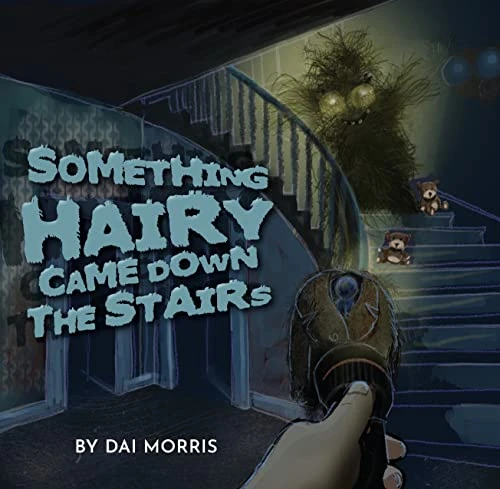
Are you ready for a thrilling journey through the dark, mysterious world of a young girl's imagination? Then pick up a copy of Something Hairy Came Down the Stairs by Dai Morris. This captivating children's book will transport you to a place where shadows and shapes come alive, and courage is the only way to face your fears. It is a good read for children dealing with similar issues, and this book is an excellent way for them to find closure and confidence. Click here and own a copy.









Sign in to leave a comment.