10 Things to Know Before Starting Driving Lessons

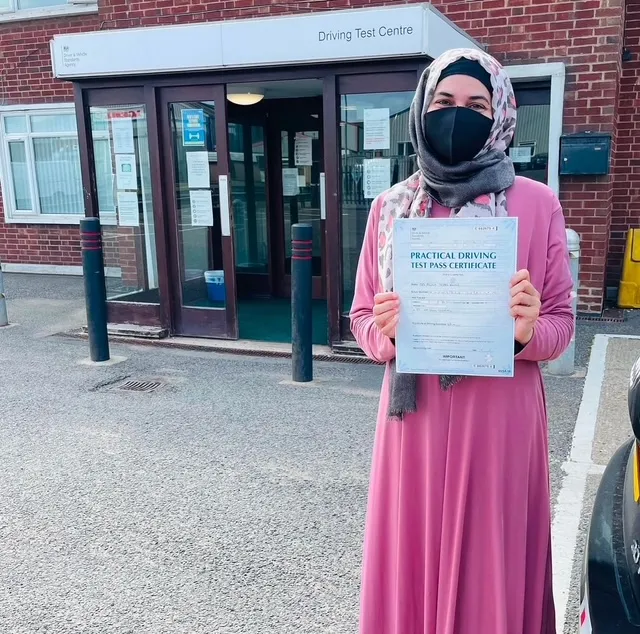
Learning to drive is an exciting step towards more freedom. It can help you travel to work, college, visit family, and make everyday journeys without depending on other people.
If you are planning to take driving lessons in Kenilworth, knowing what to expect can make your learning journey easier. Good preparation can help you feel calm, understand basic road safety, and build confidence behind the wheel.
Here are ten important things to know before you start learning to drive.
1. Get Your Provisional Driving Licence
Before learning on public roads, you need a valid provisional driving licence.
Your instructor may check your licence before starting your driving lessons. You must also meet the legal eyesight rules for driving and be ready to learn safely on the road.
Be Ready Before Your Lesson
Keep your licence ready and wear comfortable clothes. Flat shoes can help you feel and control the pedals more easily.
Being prepared means you can spend more time learning.
2. Choose the Right Driving Instructor
A good instructor can make learning easier and less stressful.
Look for someone who is patient, professional, and clear. You should feel comfortable asking questions when you do not understand something.
During driving lessons, your instructor should teach new skills in simple steps and give you enough time to practise.
3. Choose Manual or Automatic
Before you start, decide whether you want to learn in a manual or automatic car.
Manual Cars
A manual car has a clutch and gears. You need to learn how to use the clutch, brake, accelerator, and gear lever together.
Automatic Cars
An automatic car has no clutch pedal. You also do not need to change gears by hand during normal driving.
Some learners find automatic cars simpler. Choose the type that best suits your needs and future plans.
4. Mistakes Are Part of Learning
Do not expect to drive perfectly during your first lesson.
You may stall the car, brake too hard, forget a mirror check, or have trouble steering. These are common problems for beginners.
A good instructor will explain your mistakes and show you how to improve.
Focus on learning one skill at a time rather than trying to do everything perfectly.
5. Your First Lessons Cover Basic Skills
Your first driving lessons will normally focus on simple skills.
You may learn:
- How to move off
- How to stop safely
- Steering
- Mirror checks
- Road position
- Speed control
- Basic junctions
- Safe observations
Your instructor may start your lesson on a quiet road. This gives you more time to understand the car without dealing with heavy traffic.
6. Local Road Practice Is Useful
Driving on local roads helps you experience real traffic situations.
Learners taking driving lessons in Kenilworth can gradually practise on residential streets, junctions, roundabouts, roads with parked cars, and busier routes as their skills and confidence improve.
Start on Quiet Roads
Beginners usually start in easier areas. As you improve, your instructor can introduce busier roads and harder situations.
Learning step by step can help you feel more comfortable behind the wheel.
7. Observation Is Very Important
Driving is not only about controlling the car. You also need to watch what is happening around you.
Your instructor will teach you when to check your mirrors.
You may need to check them before:
- Moving off
- Turning
- Changing speed
- Changing road position
- Stopping
You must also watch for cyclists, pedestrians, road signs, parked cars, and other hazards.
Good observation gives you more time to react safely.
8. Take Lessons Regularly
Regular practice can help you remember your skills and make steady progress.
Long gaps between lessons may make it harder to remember what you learned.
During your driving lessons, some skills may feel easy while others take longer to master. This is normal because every learner is different.
Learn from Feedback
At the end of each lesson, your instructor may explain what you did well and what needs more work.
Use this feedback to prepare for your next lesson.
9. Learn to Drive Safely, Not Just Pass
Passing your practical driving test is important, but safe driving should be your main goal.
Your lessons should teach you how to make good choices when you are driving alone.
Important skills include:
- Following speed limits
- Keeping a safe distance
- Checking mirrors
- Reading road signs
- Spotting hazards
- Watching for pedestrians
- Sharing roads with cyclists
- Planning ahead
These skills can help you stay safe long after you pass your test.
10. Do Not Rush Your Driving Test
You may want to pass your test quickly, but taking it before you are ready can cause extra stress.
Your instructor can help you decide when your driving is at a safe level.
Before taking your test, you should be comfortable with junctions, roundabouts, parking, speed control, road position, observations, and independent driving.
Build Your Confidence
Confidence comes with practice.
Do not compare your progress with friends or family. Some people learn quickly, while others need more time.
Focus on improving your own skills and becoming a safe driver.
Conclusion
Starting to drive can be exciting, but good preparation is important. Get your provisional licence, choose a suitable instructor, decide between manual and automatic tuition, practise regularly, and focus on safe driving skills.
Professional driving lessons in Kenilworth can help you develop car control, road awareness, observation skills, and confidence while gaining experience in different traffic situations.
At MMS Driving School, we help learners build safe driving skills through clear and structured teaching. With regular practice and the right guidance, you can work towards passing your test and becoming a safe, confident, and independent driver.






Sign in to leave a comment.