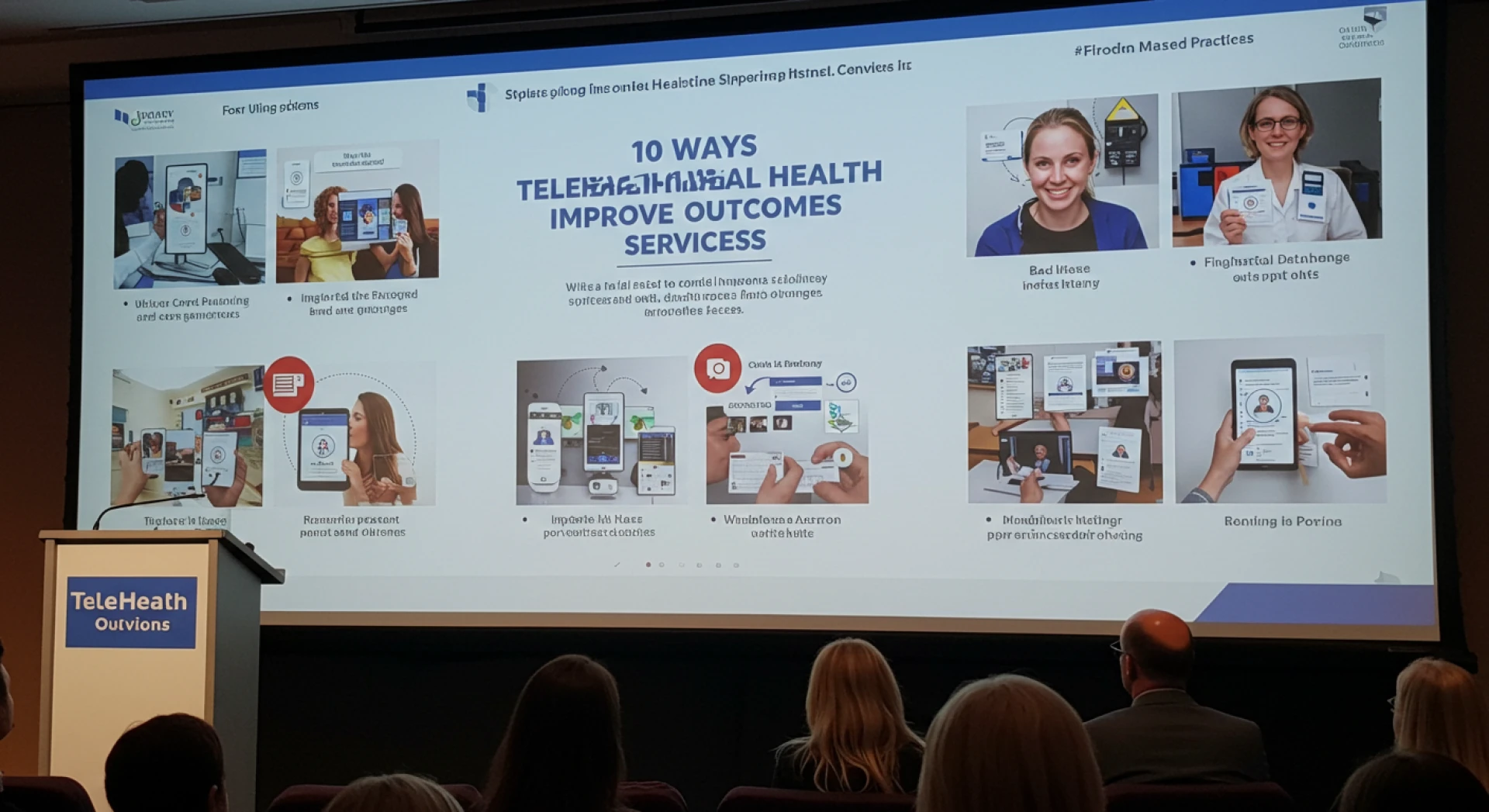

Introduction
The landscape of mental health care is evolving rapidly, with virtual solutions becoming a cornerstone of modern treatment. One of the most impactful innovations is the rise of telehealth mental health services. These digital care options allow patients to access therapy, counseling, and psychiatric support without the barriers of geography, cost, or stigma.
More than a matter of convenience, telehealth has demonstrated measurable improvements in patient outcomes. From reducing missed appointments to enhancing continuity of care, this approach is reshaping how mental health treatment is delivered—and experienced.
1. Breaking Down Barriers to Access
Millions of individuals, especially in rural or underserved regions, face significant challenges in finding care. Telehealth mental health services eliminate the need for long commutes, ensuring patients can connect with specialists no matter where they live.
2. Reducing Stigma and Encouraging Participation
One of the greatest obstacles in mental health treatment is stigma. Patients often feel self-conscious walking into a clinic. Virtual therapy provides privacy and comfort, helping more people feel safe enough to seek help.
3. Increasing Appointment Attendance
Research from the American Psychiatric Association shows that no-show rates drop significantly when sessions are offered virtually. With telehealth mental health services, patients can log in from home or work, reducing the likelihood of skipped care.
4. Supporting Crisis Intervention
Digital platforms enable providers to reach patients in urgent situations faster. Whether through video calls, secure messaging, or hotlines, telehealth mental health services can connect individuals with immediate support during a crisis.
5. Enhancing Continuity of Care
Frequent disruptions in therapy often hinder recovery. Virtual services make it easier for patients to maintain regular appointments—even when traveling, relocating, or facing transportation issues. Consistent care is essential for long-term mental health progress.
6. Personalized Treatment Plans
Many platforms incorporate tools that track progress, mood patterns, and therapy goals. Providers can adjust treatment more dynamically, making telehealth mental health services highly personalized and responsive.
7. Expanding Support Beyond Therapy Sessions
Some digital systems allow ongoing communication between sessions, whether through secure messaging or digital journaling. This helps reinforce coping strategies and provides patients with a sense of continuous support.
8. Cost-Effective Care
Affordability is a major factor in whether patients seek or sustain treatment. Virtual therapy reduces costs associated with travel, time off work, and often session fees themselves. By making care more accessible financially, telehealth mental health services enable more patients to commit to treatment.
9. Integrating Technology for Better Outcomes
Wearables, mobile apps, and AI-driven tools now integrate with virtual platforms, offering insights into sleep, stress levels, and mood. These tools give providers additional data to enhance the effectiveness of treatment and empower patients to track their progress.
10. Long-Term Recovery Support
Mental health is not a one-time fix but an ongoing journey. By making therapy sustainable and adaptable, telehealth mental health services provide long-term support that helps patients maintain stability, resilience, and overall wellness.
Real-World Data on Effectiveness
- A study published in JMIR Mental Health found that teletherapy was as effective as in-person care for treating depression and anxiety.
- According to the CDC, telehealth use increased by 63-fold during the pandemic, demonstrating widespread patient acceptance.
- Surveys show that over 80% of patients report satisfaction with virtual mental health sessions, particularly regarding convenience and comfort.
These findings reinforce the real impact of telehealth mental health services on improving patient outcomes.
Challenges Still to Overcome
While benefits are clear, challenges remain:
- Unequal internet access in rural communities.
- Variability in insurance reimbursement.
- Concerns about establishing emotional connection virtually.
- Ensuring data security and patient confidentiality.
Addressing these issues will further strengthen the role of telehealth in modern healthcare.
The Future of Telehealth in Mental Health Care
Experts predict that virtual care will remain a permanent, integral part of mental health systems. As technology advances, tools like AI-powered assessments and virtual reality exposure therapy will make telehealth mental health services even more effective.
The goal is not to replace traditional care but to create hybrid models that combine the strengths of both in-person and virtual approaches.
Conclusion
The evidence is clear: telehealth mental health services significantly improve patient outcomes by increasing access, reducing stigma, lowering costs, and enhancing long-term recovery. As technology advances and insurance support grows, these services will only become more vital.
For patients seeking convenient, effective, and supportive care, telehealth offers a pathway to a healthier, more resilient future.
































Sign in to leave a comment.