
Life offers a lot of surprises, and sometimes your car might surprise you, too--just when you least expect it. It's a must to do a task Having a roadside service checklist. In this guide, we'll reveal the car maintenance tips that every car driver must follow for safe, worry-free driving.
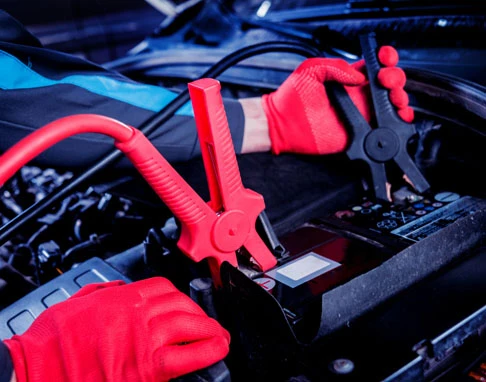
Tire Maintenance- Kicking things off Let's start with the foundation of your vehicle, the tires. Routine tire care is necessary to ensure a smooth, safe, and economical ride. Using a reliable gauge, check the tire pressure and make sure it's at the recommended levels listed in your car's manual. And remember the spare tire – it's your last resort in an emergency. make sure it's fully inflated and able to go the distance.Fluid Check- Check Your Car's Fluids Drivewise, your car requires various fluids to run smoothly. First, look at the engine oil. Check the dipstick to make sure the oil level is between what is recommended. Check the coolant level in the reservoir and make sure it's enough for your journey. Fluid levels should also receive attention, especially brake fluid and transmission fluid. Refer to your manual for the correct levels and top up if necessary.Safe lights-The right light isn't just for your safety, it's the law. Check all exterior lights (headlights, tail-lights, brake lights and turn signals) before hitting the road. Replace any burned-out bulbs at once. It's a minor detail that nevertheless helps make you more visible on the road and lets other drivers know your intentions.Braking System- Your car's most important safety feature is its braking system. If you hear an abnormal noise when braking, you need to check the brakes. Check brake pads and rotors for wear and damage. If in doubt, seek a professional mechanic to inspect and problem solve speedily.Battery health- Check the terminals of the battery for any signs of corrosion, and if necessary, clean them up. If your battery is more than three years old, you should test it to make sure it has enough juice for the journey ahead. Keep jumper cables in your trunk--you never know when they might help you jump start your own car or come to the aid of a fellow traveller.Belts and Hoses-Lift the hood and check belts and hoses for wear, cracking or leaking. These small components are key to the operation of your car. If you see anything wrong, then replace them before they can cause more serious problems.Air Filter- Like you, your car needs to breathe. The air filter protects the engine by keeping out dust and debris, maintaining the maximum in performance. Regularly check the air filter and replace it when dirty to maintain fuel efficiency and engine health.A case of Murphy's law According to Murphy's Law, if something can go wrong on a road trip, chances are it will. Therefore an emergency kit is a necessity. Put in a first aid kit, a flashlight with extra batteries, a blanket, and non-perishable snacks. The difference between a disaster and a manageable situation can be preparedness.
You don't have to be a mechanic, but if you have a minimum tool kit with you, you can clear up minor glitches on the road. Jacks, lug wrenches and screwdrivers are all basic tools that can be very helpful when unexpected hiccups happen.
Before hitting the road, have a look at your car's environment. Is there any evidence of fluid seepage? Are there any strange noises? If you keep your eyes open, you will observe these problems before they become serious.
Five safe ways to deal with a roadside emergency
Have the Proper Tools on Hand: In this entry of the blog, we said planning is the key. The right tools can turn an unmanageable situation into a manageable one. Create an emergency kit for your vehicle that includes essentials such as a:
First aid kitFlashlightJumper cablesTire pressure gaugeJack and lug wrenchGet Off the Road: If your car is still running, first get off the road. Manoeuvre your vehicle off the main road to safety. This avoids the risk of colliding with other vehicles, and provides a place to observe the situation.
Make Your Vehicle Visible to Others: When a roadside emergency occurs, vision is vital. Flash your hazard lights to warn other drivers that something's wrong. If your emergency kit includes flares, warning lights, or a hazard triangle, use them to improve visibility. The more your car stands out, the less likely it is that an accident will result (and if it does, help is all the nearer).
Exercise Caution: When stranded by the roadside, safety is your first consideration. Stay inside your car with the doors locked. If someone offers help, be careful in accepting it.
Call for Assistance: It isn't always possible to take care of a roadside emergency without someone else's help, and that is where calling for assistance comes in. If you happen to have a roadside assistance service, use it. In unfamiliar surroundings, in bad weather or when it is dark outside, these services are a lifeline. No matter if it's a flat tire, dead battery or anything too complex, professional help will not make the process more difficult.
Conclusion
Remember, your safety is paramount. By preparing in advance for any potential emergency and knowing just what to do when the time comes, much of the stress is avoided. Moreover, it will obviously be far safer that way. When a helping hand is the best tool in your emergency kit, don't be afraid to call for assistance. Stay safe on the roads!




















Sign in to leave a comment.