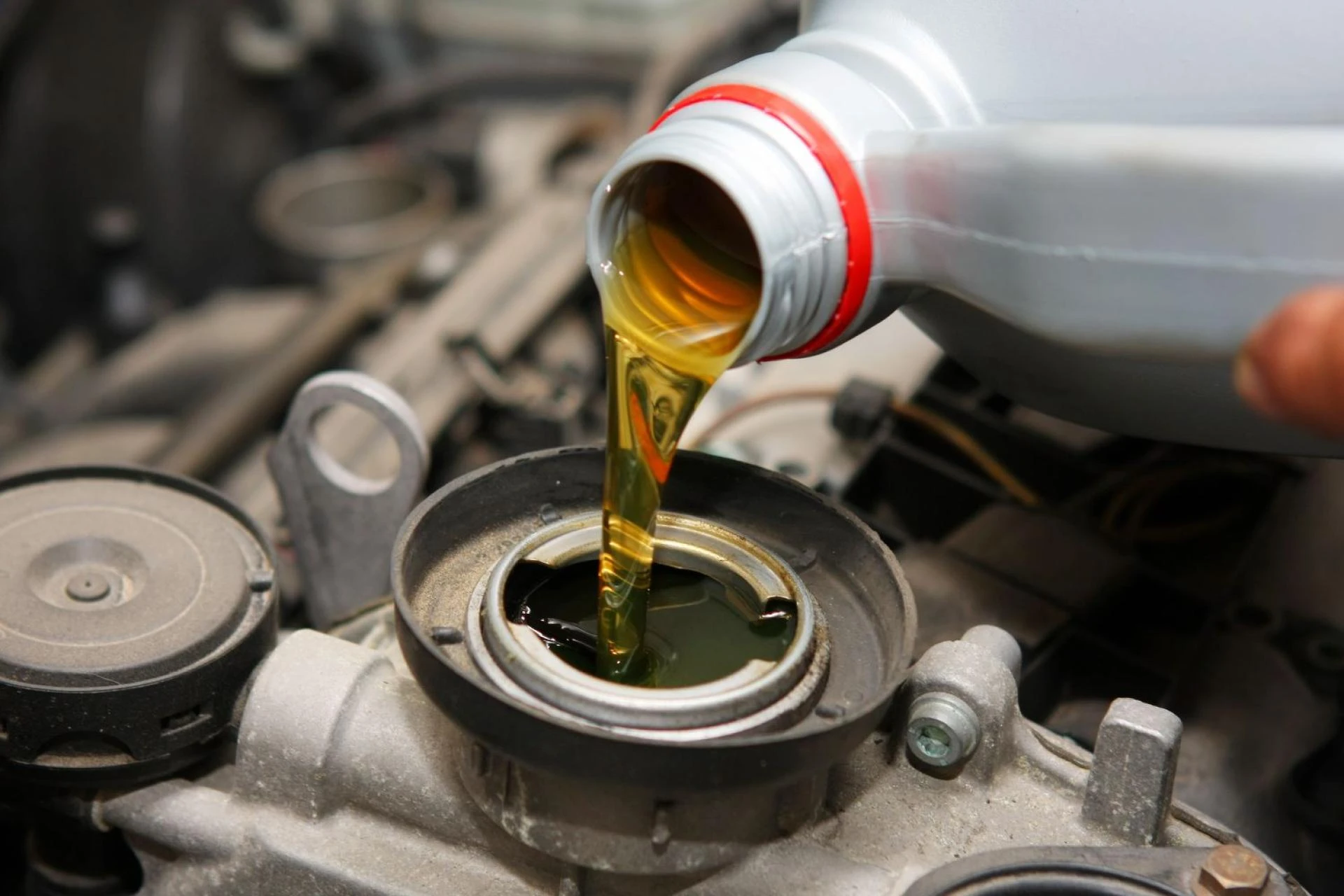

Welcome to our comprehensive guide on 20W-50 engine oil for your car! Whether you're a seasoned car enthusiast or a casual driver, understanding engine oils is crucial for maintaining your car's health and maximizing its performance. In this blog, we'll cover what 20W-50 engine oil is, its benefits, its application, and some essential tips for using it effectively.
What is 20W-50 Engine Oil?
Engine oil is the lifeblood of your car's engine, responsible for lubricating, cooling, and protecting its critical components. The numbers "20W-50" denote the oil's viscosity grade, which signifies its flow characteristics under different temperature conditions. The "20W" represents its winter or cold temperature viscosity, while "50" is the viscosity at operating temperatures.
In simple terms, 20W-50 engine oil has a thinner consistency in cold weather, allowing it to flow quickly to protect the engine during start-up, and it thickens up at higher temperatures to provide adequate lubrication and protection under hot running conditions.
Benefits of 20W-50 Engine Oil
Using 20W-50 engine oil offers several advantages for your car's engine and overall performance:
Versatility: 20W-50 oil is suitable for a wide range of temperatures, making it a great all-season choice, especially in regions with varying climate conditions.
High-Temperature Protection: This oil grade provides excellent protection at high temperatures and helps prevent engine overheating, reducing the risk of engine damage.
Wear Protection: The thicker viscosity of 20W-50 oil forms a durable film on engine components, reducing metal-to-metal contact and minimizing wear and tear.
Leak Prevention: Its higher viscosity can help seal minor leaks and reduce oil consumption, keeping your engine cleaner and maintaining optimal oil levels.
Improved Engine Performance: Proper lubrication with 20W-50 oil leads to smoother engine operation, better fuel efficiency, and overall improved performance.
Older Car Engines: 20W-50 oil is particularly beneficial for older car engines, which may experience looser tolerances and require a thicker oil to maintain proper oil pressure.
Application of 20W-50 Engine Oil
Now that we understand the benefits, let's explore when and how to use 20W-50 engine oil in your car:
Check the Owner's Manual: The first step is always to refer to your car's owner's manual. It will specify the recommended viscosity grade and oil type for your vehicle. While 20W-50 might be suitable for some cars, others may require different grades based on the engine's design and requirements.
Climate Considerations: If you live in an area with extreme temperature variations, 20W-50 oil might be an ideal choice. However, if you reside in a consistently cold environment, a lower winter viscosity oil may be more appropriate.
Older Vehicles: As mentioned earlier, if you own an older vehicle or a classic car, 20W-50 oil is often a preferred choice due to its added protection for engines with higher mileage.
Driving Conditions: Consider your typical driving conditions. If you frequently engage in stop-and-go traffic, drive in extreme heat, or haul heavy loads, 20W-50 oil can handle these challenging conditions more effectively.
Regular Oil Checks: Regardless of the oil grade you choose, always adhere to regular oil change intervals and inspect the oil level on a monthly basis.
Tips for Using 20W-50 Engine Oil Effectively
Using the right oil is crucial, but so is its proper application. Here are some tips to make the most of 20W-50 engine oil:
Warm-up Your Engine: Before taking off, allow your engine to warm up for a few minutes, especially in colder weather. This allows the oil to flow smoothly and reach all parts of the engine, reducing wear during start-up.
Monitor Oil Consumption: Keep an eye on your car's oil consumption. If you notice a significant increase in consumption after switching to 20W-50 oil, it might not be the right fit for your engine. Consult with a mechanic to determine the best alternative.
Use Quality Oil Filters: Investing in high-quality oil filters is essential for the longevity of your engine. These filters prevent contaminants from circulating and keep the oil clean and effective for longer periods.
Regular Maintenance: Engine oil is just one component of a well-functioning car. Regular maintenance, including scheduled oil changes, filter replacements, and overall inspections, is vital for optimal performance.
Consider Synthetic Alternatives: If your vehicle manufacturer allows for it, consider synthetic versions of 20W-50 oil. Synthetic oils offer enhanced performance, extended oil change intervals, and improved protection against extreme temperatures.
Seek Professional Advice: If you're uncertain about which oil grade suits your car best, or if you experience any engine issues, seek advice from a qualified mechanic. They can provide personalized recommendations based on your vehicle's needs.
In conclusion, 20W-50 engine oil is a versatile and reliable option for various car engines, particularly those in older vehicles or subject to harsh driving conditions. However, always refer to your car's manual and consider your specific driving environment before making a decision. By using 20W-50 oil correctly and maintaining regular car maintenance, you can ensure your car's engine performs optimally and lasts for years to come. Happy driving!



























Sign in to leave a comment.