
What Is 2D Art production?
2D art production is an essential aspect of the creative industry that involves the creation of two-dimensional artwork, including illustrations, paintings, and graphics. It has been around for centuries and has evolved with the advancement of technology. Today, 2D art production is used in various industries, such as advertising, gaming, and film. The process of 2D art production involves several stages, including idea generation, sketching, and final artwork creation using various tools and techniques.
Once the thumbnail sketch is complete, the artist will begin to create the final artwork using various tools and techniques. These tools may include pencils, pens, paintbrushes, and digital software programs such as Adobe Illustrator or Photoshop. The artist will use these tools to create lines, shapes, and colors that bring their concept to life.
One of the most important aspects of 2D art production is color theory. This involves understanding how colors work together and how they can be used to create different moods or emotions within the artwork. The artist must also consider lighting and shading to create depth and dimension within the artwork.
In addition to traditional 2D art production techniques, there are also new technologies that are being used in the industry. For example, some artists are using virtual reality tools to create immersive 2D environments that can be explored by viewers. Others are using augmented reality to create interactive 2D art that can be viewed through a smartphone or tablet.
2D art production steps
The first stage of 2D art production is idea generation. This involves coming up with a concept or idea for the artwork. The artist may create a sketch or a detailed description of what the final artwork should look like. The concept serves as a guide for the artist and helps them refine their ideas. Once the concept is established, the artist moves on to the next stage.
The second stage of 2D art production is sketching. The artist creates a rough draft of the artwork, often referred to as a thumbnail sketch. This sketch serves as a guide for the final artwork and helps the artist refine their ideas. The artist may use pencils, pens, or digital software programs such as Adobe Illustrator or Photoshop to create the sketch.
The final stage of 2D art production is creating the final artwork. The artist uses various tools and techniques to create lines, shapes, and colors that bring their concept to life. These tools may include pencils, pens, paintbrushes, and digital software programs such as Adobe Illustrator or Photoshop. The artist must also consider color theory, lighting, and shading to create depth and dimension within the artwork.
2D character design and 2D environment
When it comes to 2D character design, artists must consider various factors such as the character's personality, appearance, and backstory. They can use traditional drawing techniques or digital software to create sketches and refine the design until it meets their vision.
In addition to character design, artists must also consider the environment in which the character will exist. This includes creating a background, setting, and atmosphere that complements the character's design and enhances the overall artwork.
To create a cohesive and visually appealing environment, artists can use techniques such as color theory, composition, and lighting. They can also experiment with different textures and patterns to add depth and detail to the artwork.
Overall, creating high-quality 2D character designs and environments requires a combination of creativity, technical skills, and attention to detail. By utilizing various techniques and experimenting with different approaches, artists can create stunning artwork that captivates and inspires viewers.
THE BEST 2D ART METHODS AND TECHNIQUES
There are several methods and techniques that artists can use to create high-quality 2D artwork. Here are some of the best ones:
Traditional Drawing and Painting Techniques
These techniques involve using pencils, pens, paintbrushes, and other traditional tools to create artwork on paper or canvas. Artists can use different types of pencils and brushes to create different textures and effects.
Digital Art Techniques
Digital art involves using software programs such as Adobe Illustrator or Photoshop to create artwork on a computer. Artists can use a variety of digital brushes and effects to create unique and visually appealing artwork.
Mixed Media Techniques
Mixed media involves combining different materials and techniques to create artwork. For example, an artist may combine traditional painting techniques with digital art techniques to create a unique piece of artwork.
Collage Techniques
Collage involves using different materials such as paper, fabric, and photographs to create artwork. Artists can use different types of glue and cutting tools to create interesting textures and effects.
Printmaking Techniques
Printmaking involves creating artwork by transferring ink or paint onto paper or other materials. Artists can use different types of printing techniques such as etching, lithography, and screen printing to create unique and visually appealing artwork.
Overall, the best 2D art methods and techniques depend on the artist's preferences, skills, and the type of artwork they want to create. By experimenting with different techniques and materials, artists can develop their own unique style and create stunning 2D artwork.
2D art production in polydin studio
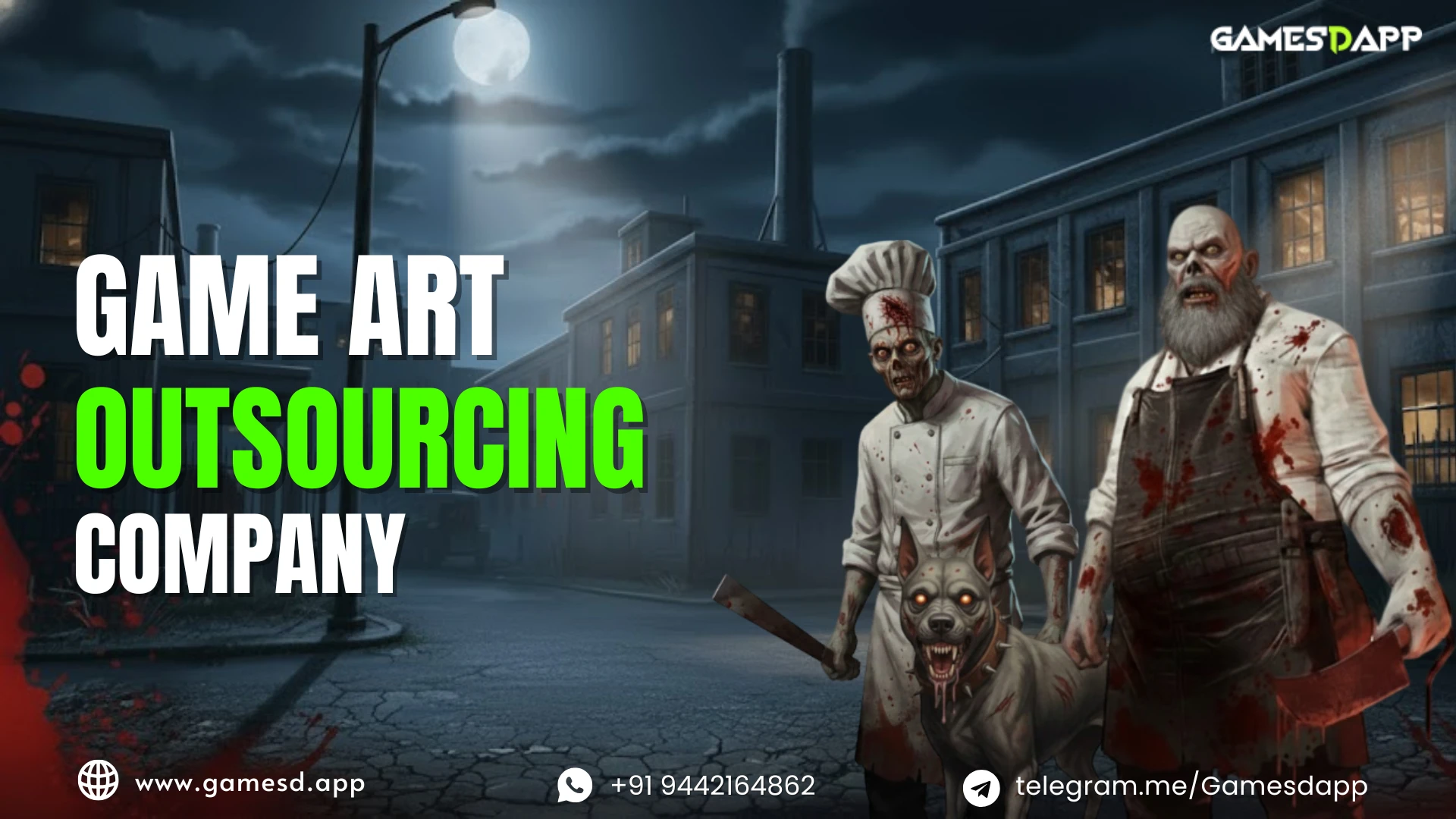
The transformation of innovative ideas into aesthetically pleasing designs is a wonderful process in the art of 2D design. From generating amazing keyframes for epic battles to bringing artistically compelling characters to life, 2D art is crucial in game-related or interactive projects. Because 2D art production is such a large topic that encompasses many aspects of early-stage game development, it is a crucial step in the design process. With the support of a creative team of concept artists at Polydin Studio, you can define the tone and feel of your story, bringing your idea to life in a visually compelling and immersive way.
Conclusion
In conclusion, there are various methods and techniques that artists can use to create high-quality 2D artwork. From traditional drawing and painting techniques to digital art and printmaking, artists have a wide range of options to choose from. By exploring and experimenting with different techniques, artists can develop their own unique style and create visually appealing artwork. Ultimately, the key to producing great 2D art lies in the artist's creativity, skills, and willingness to try new things.



Sign in to leave a comment.