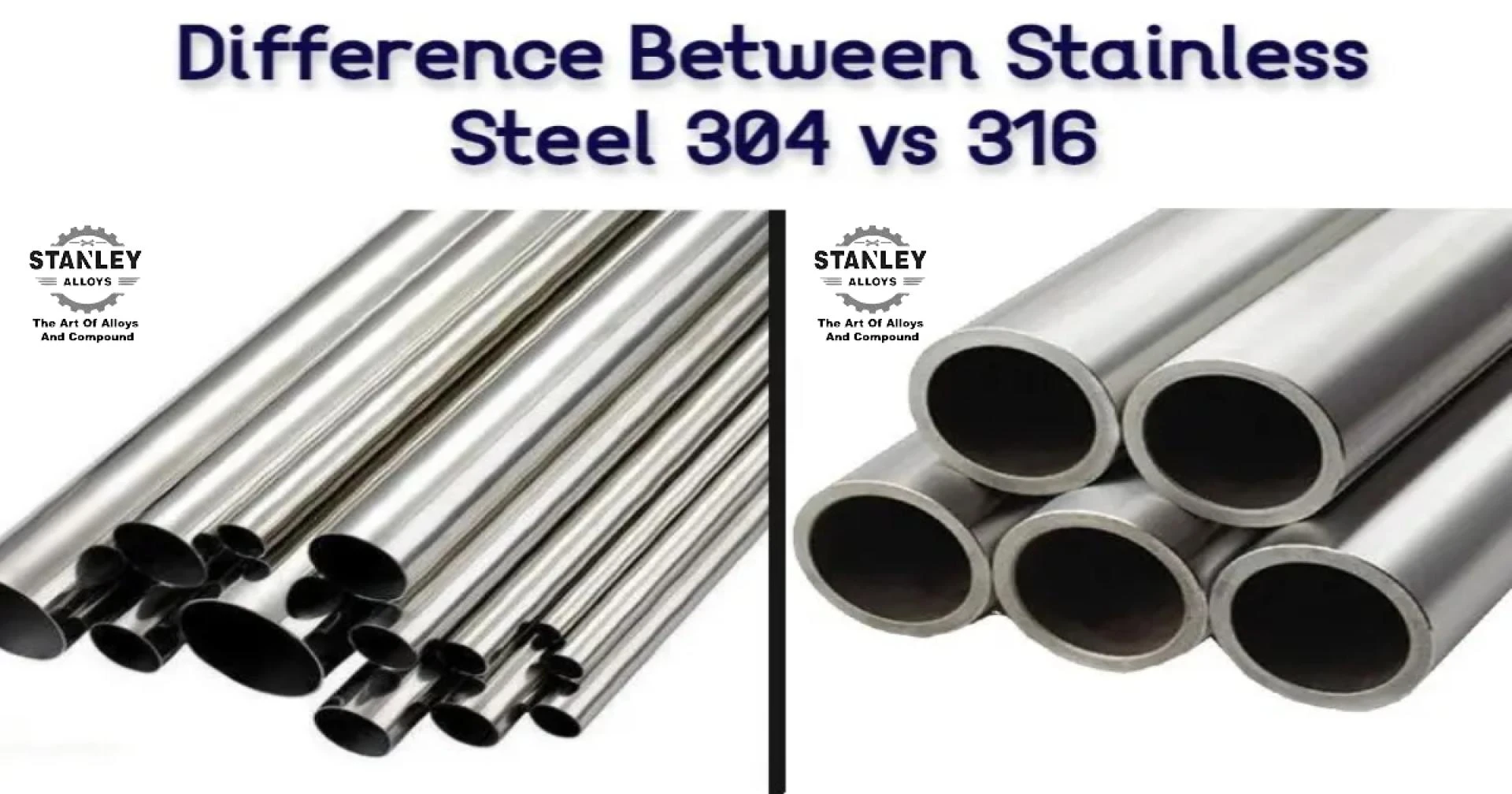

The combination of chromium and nickel is what creates the stainless steel pipe known as 304 stainless steel pipe. This particular form of stainless steel pipe is composed of stainless steel. 304 stainless steel pipe is commonly used in various industries including food and beverage processing, chemical processing, pharmaceuticals, and petrochemicals. It is also used in construction, marine, and automotive applications.
SS 316 Pipe is a type of stainless steel pipe that is made from a combination of molybdenum, chromium, and nickel. It is one of the stainless steel grades that has the highest level of corrosion resistance and is often used in severe situations such as those found in the chemical processing industry and the maritime industry.
The corrosion resistance of UNS S31600 Pipes is much stronger than that of UNS S30400 Pipes, particularly in situations containing chlorides. It also has higher strength and higher temperature resistance. This makes it ideal for applications that require excellent corrosion resistance, such as in chemical and petrochemical industries, food and beverage processing, and medical equipment.
Distinguish Between 304 VS 316 stainless steel pipes:
Chemical Composition: Stainless steel 304 has a chromium content of 18% and a nickel content of 8%, while stainless steel 316 has a chromium content of 16%, a nickel content of 10%, and a molybdenum content of 2%. In certain atmospheres, the molybdenum content of stainless steel type 316 confers an increased resistance to corrosion on the material.
Strength and Hardness: 316 stainless steel typically has a higher hardness and tensile strength than its counterpart, 304 stainless steel. Because of this, 316 stainless steel is a better option for applications that call for strong strength and a high level of hardness.
Weldability: Both 304 and 316 stainless steel are easy to weld, but 316 stainless steel requires more care due to its higher susceptibility to heat stress cracking.
Appearance: Both 304 and 316 stainless steel have a similar appearance, but 316 stainless steel may have a slightly darker color due to the presence of molybdenum.
Applications: Both 304 and 316 stainless steel pipes are commonly used in the food and beverage industry, as well as in the chemical and petrochemical industries. On the other hand, stainless steel type 316 is more often used in maritime conditions, whilst stainless steel type 304 is more frequently utilized in domestic applications.
The main difference between 304 stainless steel pipes and 316 stainless steel pipes is their corrosion resistance, with 316 being more resistant in chloride-rich environments, and their relative cost.










Sign in to leave a comment.