
Introduction
The world of art has witnessed a remarkable transformation with the advent of three-dimensional (3D) art production techniques. This essay explores the evolution, techniques, and impact of 3D art in contemporary artistic expression. By examining its history, tools, and applications, we can appreciate how this innovative medium continues to redefine the boundaries of creativity.
What is a 3D art production?
3D art production possess physical space and can be seen from all angles and sides since they are represented in the dimensions of height, breadth, and depth. Two-dimensional art, on the other hand, can only be perceived in dimensions of height and breadth since they are produced on flat surfaces.
For ages, sculptures have been the main three-dimensional art forms, changing continuously across different time periods of art history. However, innovative art groups that flourished in the 20th century questioned the traditional idea of fine art by employing unorthodox art mediums to communicate their aesthetics and beliefs. As a result of this process, performance and installation art emerged as modern versions of three-dimensional media.
Understanding 3D Art Production
Definition: 3D art refers to artwork that possesses depth and dimensionality beyond traditional two-dimensional representations.
It creates an illusion of form by mimicking real-life objects or constructing entirely imaginary worlds.
Techniques Used in 3D Art Production: Sculpting: Artists shape physical materials like clay or resin to create tangible sculptures with depth and texture.
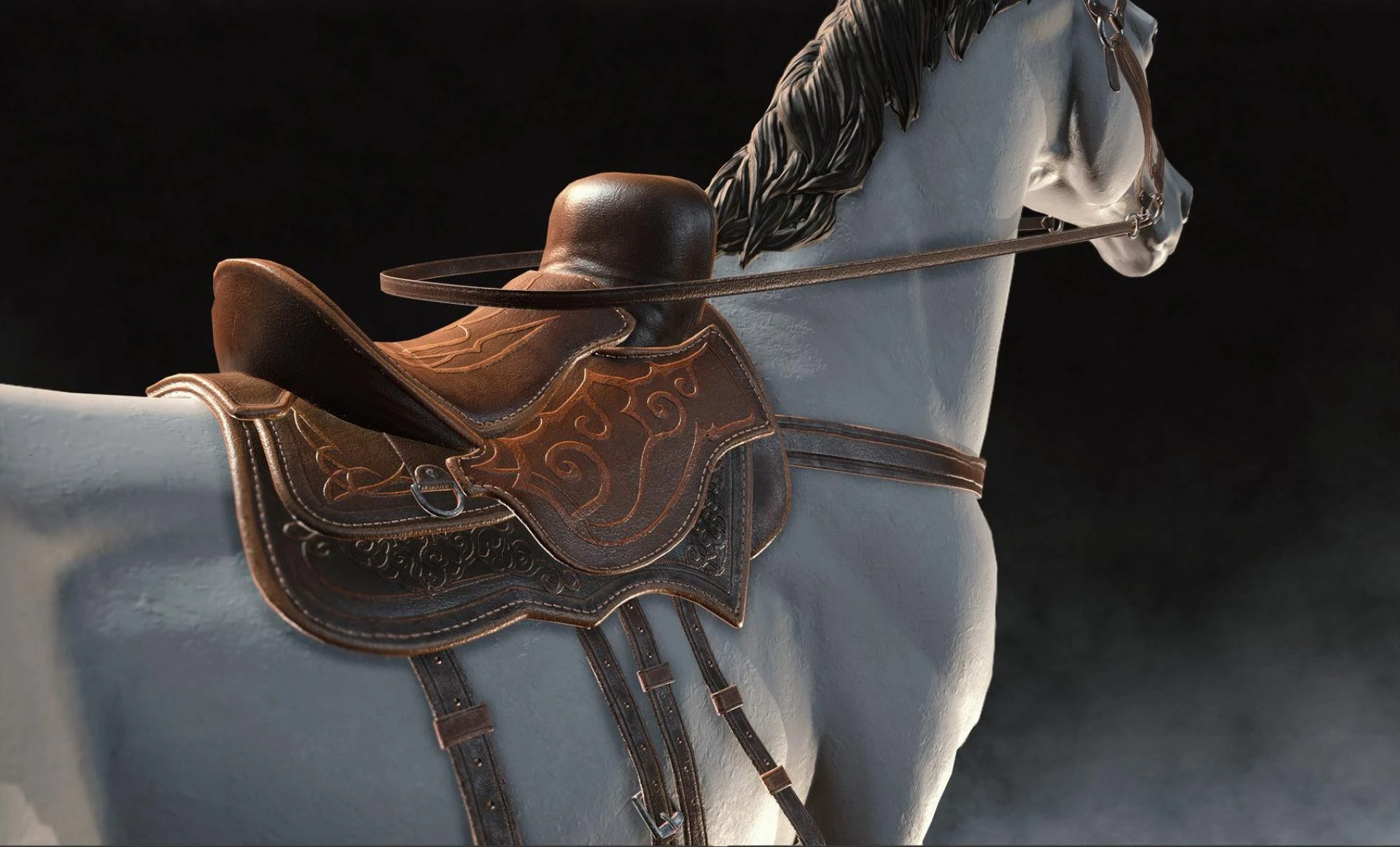
Digital Modeling: Utilizing software programs like ZBrush or Blender enables artists to sculpt virtual objects using digital tools.
The Historical Context of 3D Art Development
Early Beginnings: The roots of three-dimensional representation can be traced back thousands of years ago through ancient civilizations' statues and reliefs.
Greek classical sculptures were particularly influential in capturing realistic human forms through their mastery over proportions.
Technological Advancements as Catalysts for Change: The emergence of computer graphics during the mid-20th century marked a significant turning point for creating immersive visual experiences.
Early pioneers like Ivan Sutherland laid the groundwork for subsequent innovations by developing interactive computer-generated displays.
Tools Shaping Contemporary 3D Art
Computer-Aided Design (CAD) Software: CAD software allows artists to design intricate models digitally using precise measurements,simulations,and realistic rendering capabilities. It provides a foundation for various industries such as architecture,film animation,and product design.
Virtual Reality (VR) and Augmented Reality (AR): VR technology enables artists to create immersive, interactive environments that viewers can explore with the help of headsets.
AR enhances real-world experiences by overlaying digital elements onto physical spaces, opening new possibilities for artistic expression.
Applications of 3D Art Production
Visual Effects in Film and Animation: The film industry regularly employs 3D art techniques to bring fantastical creatures,environments,and visual effects to life.
Pixar's groundbreaking animated films like "Toy Story" revolutionized storytelling through the integration of computer-generated imagery (CGI).
Video Games and Interactive Media: Three-dimensional graphics have become a cornerstone of video game design,enabling realistic characters,detailed worlds,and captivating gameplay experiences.
Impact on Fine Arts and Sculpture
Expanding Boundaries: Traditional sculptors now incorporate digital modeling techniques into their artistic process,resulting in hybrid forms blending traditional craftsmanship with technological innovation.
Galleries worldwide exhibit 3D printed sculptures that challenge conventional notions of materiality and form.
Public Installations: Artists utilize large-scale 3D installations,involving materials such as metal,glass or recycled objects,to engage audiences in public spaces. - These immersive installations encourage viewer interaction while transforming urban landscapes into dynamic works of art.
3D art production in polydin studio
Polydin Studio is a premier provider of 3D art services for a wide range of gaming and interactive projects, such as NFT ventures, Metaverses, and Ecommerce. We specialize in producing aesthetically attractive and entertaining 3D characters, locations, and props for audiences of all types.
We are committed to delivering consistent quality and efficiency throughout the manufacturing process, relying on industry-standard pipelines and battle-tested processes. Our professional artists and designers collaborate closely with customers to understand and implement their vision and generate personalized 3D art that meets and surpasses their expectations.
Challenges and Future Possibilities
Technological Advancements: As technology continues to evolve at an unprecedented pace,new tools,such as artificial intelligence(AI),machine learning(ML)and generative algorithms are being integrated into the field,capturing attention from both artists and scientists alike
Ethics and Authenticity: Questions surrounding authorship,intellectual property rights,and authenticity arise when dealing with digitally reproduced or manipulated artwork.As these concerns grow,it is vital for discussions on ethical guidelines within this domain.
Types of 3d art production
REALISM
Realistic graphics aim to recreate how the world appears to us in real-life upon a digital platform. This isn’t to mean that the style relies on expending massive amounts of processing power toward creating identical replications of human faces. Instead, it describes a direction in which the feel and atmosphere is based wholly upon how reality is visually perceived.
PHOTOREALISTIC
Photorealistic graphics concur with the basic premise of “realism” — a commitment to digitally portraying the world as it’s visually experienced — but takes it to the absolute extreme. Photorealism demands that digitally constructed images look as if they were real photographs. When photorealism is done right, a picture and a digital rendering are nearly indistinguishable.
UNREAL
Fantasy, sci-fi and steampunk games constitute a large majority of the most popular video and tabletop games currently on the market. Each of them comes with their own specific tropes and styles. Fantasy and sci-fi often involve aliens, races and creatures that, while not “real”, are depicted realistically within the game world. This is often mirrored by environments that do not exist on our own planet but fundamentally follow our perceptions of structure, physics and coloring. The key with developing with this style is to let the game world express itself while maintaining a level of realism that offsets the suspension of belief.
COLLAGE
Collages traditionally use different art mediums (ink, felt, paper, etc.) in conjunction to create works of art that feel at once crafty and evocative. Depending on the content used, collages can run the gamut from childish and goofy to surreal and provocative. The strength of collages arise from their ability to create artwork with “texture.” The result is that they can paradoxically seem more realistic than forms of digitalization that cast everything in the same chromatic and textural scheme.
Anime
This style of animation originated in Japan and has since grown into arguably the most recognizable and iconic of all. As with most major genres of art, it is heterogeneous and divided into specific forms.
Conclusion
The journey through the evolution of 3D art production showcases the incredible fusion of creativity and technology. From traditional sculpting techniques to digital modeling, this medium continues to push artistic boundaries in various industries like film, gaming, and fine arts. As technology advances further, it opens up new possibilities for immersive experiences and challenges our perception of reality. With ongoing innovations shaping its future trajectory, 3D art production promises to inspire and captivate audiences with its depth, dimensionality,and limitless potential for self-expression.



Sign in to leave a comment.