
Introduction
In recent years, the field of visual arts and design has witnessed a remarkable transformation with the advent and proliferation of 3D modeling studios. These studios have revolutionized the way we perceive and create art, architecture, animation, gaming, product development, and more. In this essay, we will explore the evolution of 3D modeling studios, the impact they have had on various industries, and their role in shaping the future of visual communication.
The Birth and Advancement of 3D Modeling Studios
The concept behind 3D modeling studios emerged from advancements in computer graphics technology. Computer-generated imagery (CGI) gained prominence through films like "Jurassic Park" in the early '90s.The demand for realistic CGI effects led to rapid progress in software tools, such as Autodesk Maya, Cinema4D, and Blender. These tools enabled artists to create stunning three-dimensional models, textures, and animations that were previously impossible or highly challenging using traditional methods.
Applications Across Industries
Entertainment Industry: One significant area where 3D modeling studios have made a profound impact is within the entertainment industry. They have become an integral part of film production, gaming, cartoon animation, virtual reality experiences, and advertising. Within these domains, stunning visuals are created using advanced techniques such as character modeling, set design, digital sculpting, texturing, rigging, particle simulations, and rendering. These technologies bring fictional worlds to life, enabling filmmakers to tell captivating stories while pushing creative boundaries.
Architecture and Design: The architectural industry has also embraced 3D modeling studios as invaluable tools. Architects can now visualize designs by creating accurate virtual representations. This allows clients to better understand spatial concepts before construction begins. It also facilitates collaboration among architects, suppliers, and builders. Additionally, modeling software helps simulate lighting conditions, test structural integrity, optimize energy efficiency, making it easier for professionals to refine their designs.
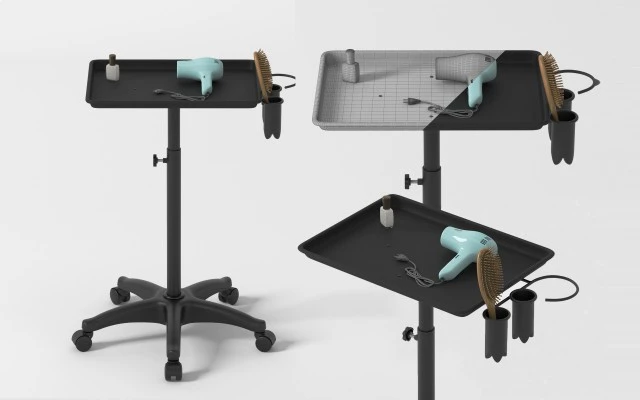
Product Development: 3D modeling studios play a crucial role in product development across industries. These studios assist designers and engineers by visualizing concepts, creating prototypes, and conducting virtual testing before products are manufactured. The ability to iterate quickly through digital models significantly speeds up the design process, reduces costs, and improves overall quality.
Medical Field: The medical field has also benefited from 3D modeling studios. Imagine surgeons being able to study accurate three-dimensional models of organs or complex anatomical structures prior to performing intricate procedures. This technology aids in surgical planning, provides better visualization for training purposes, and allows for improved patient communication regarding treatment plans. It can even be used to create customized prosthetics and implants.
Collaboration and Innovation
One of the key features of 3D modeling studios is their ability to foster collaboration among artists, designers, and other professionals involved in creative projects. Teams can work together remotely on different aspects of a project, sharing assets and making real-time adjustments. This collaborative environment fuels innovation as diverse talents combine their expertise, resulting in groundbreaking creations that push the boundaries of imagination.
Challenges and Future Prospects
While 3D modeling studios have made significant strides, the field continues to face challenges. Creating realistic simulations requires substantial computing power. As technology advances, this barrier is gradually diminishing. However, costs associated with hardware upgrades or software licenses remain a consideration. Furthermore, the learning curve associated with mastering these tools demands dedication, time, and ongoing skill development. To address these challenges, studies focus on simplifying workflows, integrating artificial intelligence algorithms into software tools, and exploring cloud-based solutions that reduce hardware requirements while increasing accessibility.
Looking ahead, the future prospects for 3D modeling studios are promising. Advancements such as virtual reality (VR), augmented reality (AR), and real-time rendering technologies offer exciting possibilities. With VR/AR integration, artists will be able to immerse themselves within their creations, enabling more intuitive and immersive design processes. Real-time rendering will provide instant visual feedback, enabling artists to make adjustments on the fly. These developments will further democratize the use of 3D modeling studios, allowing even more individuals to explore their creativity.
Realistic Visual Effects
One of the significant contributions of 3D modeling studios is their ability to create realistic visual effects. Whether it's simulating natural phenomena like water, fire, or explosions, or crafting intricate details on characters and objects, these studios can bring imagination to life with stunning accuracy. This level of realism enhances audience engagement and immersion in various media forms such as films, video games, and virtual reality experiences.
Virtual Prototyping
In addition to product development mentioned earlier, 3D modeling studios offer a valuable tool for virtual prototyping. By creating accurate digital representations of physical products before they are manufactured, companies can save time and resources by identifying design flaws or making necessary improvements early in the process. This helps streamline production cycles and reduces the likelihood of costly errors once manufacturing begins.
Education and Training
3D modeling studios have also found applications in education settings. They provide students with hands-on experience in creating three-dimensional models and animations for various subjects ranging from science to art. These tools facilitate interactive learning experiences that engage students' creativity while improving their understanding of complex concepts through visualization.
Archaeological Reconstruction
Another fascinating application is using 3D modeling studios for archaeological reconstruction. By employing historical data such as photographs, measurements, and expert analysis, researchers can recreate ancient structures, dwellings, cities, and artifacts digitally. These reconstructions aid archaeologists, historians, and educators in understanding past civilizations more comprehensively. They allow us to visualize how cities may have appeared thousands of years ago or explore lost architectural wonders virtually.
Polydin’s 3d modeling services
Polydin Studio is a one-stop-station for all your 3D modeling needs. With years of experience in the game industry, the studio offers a comprehensive range of 3D modeling services for games and interactive projects. Whether you need character modeling, environmental modeling, or asset creation, the skilled and dedicated team of artists at our 3D modeling studio can deliver stunning and realistic 3D models that meet your project’s specific requirements.
We understand the importance of meeting project deadlines and work closely with clients to ensure timely delivery of their projects without compromising on quality. Our extensive portfolio and projects with various clients in the game industry, showcase our versatility and expertise in 3D modeling.
Conclusion
The rise of 3D modeling studios has revolutionized various industries by providing new creative avenues and enhancing productivity. With applications spanning entertainment, architecture, product development, and medicine, these studios have transformed the way we visualize concepts and bring them to life. Collaboration among professionals in these fields has reached new heights as technology enables seamless teamwork. Challenges such as infrastructure requirements and skill acquisition are being addressed with ongoing research. Innovation continues unabated as advancements in virtual reality, augmented reality, and real-time rendering push the boundaries of what is possible. The future looks bright for 3D modeling studios as they continue shaping visual communication across sectors.



Sign in to leave a comment.