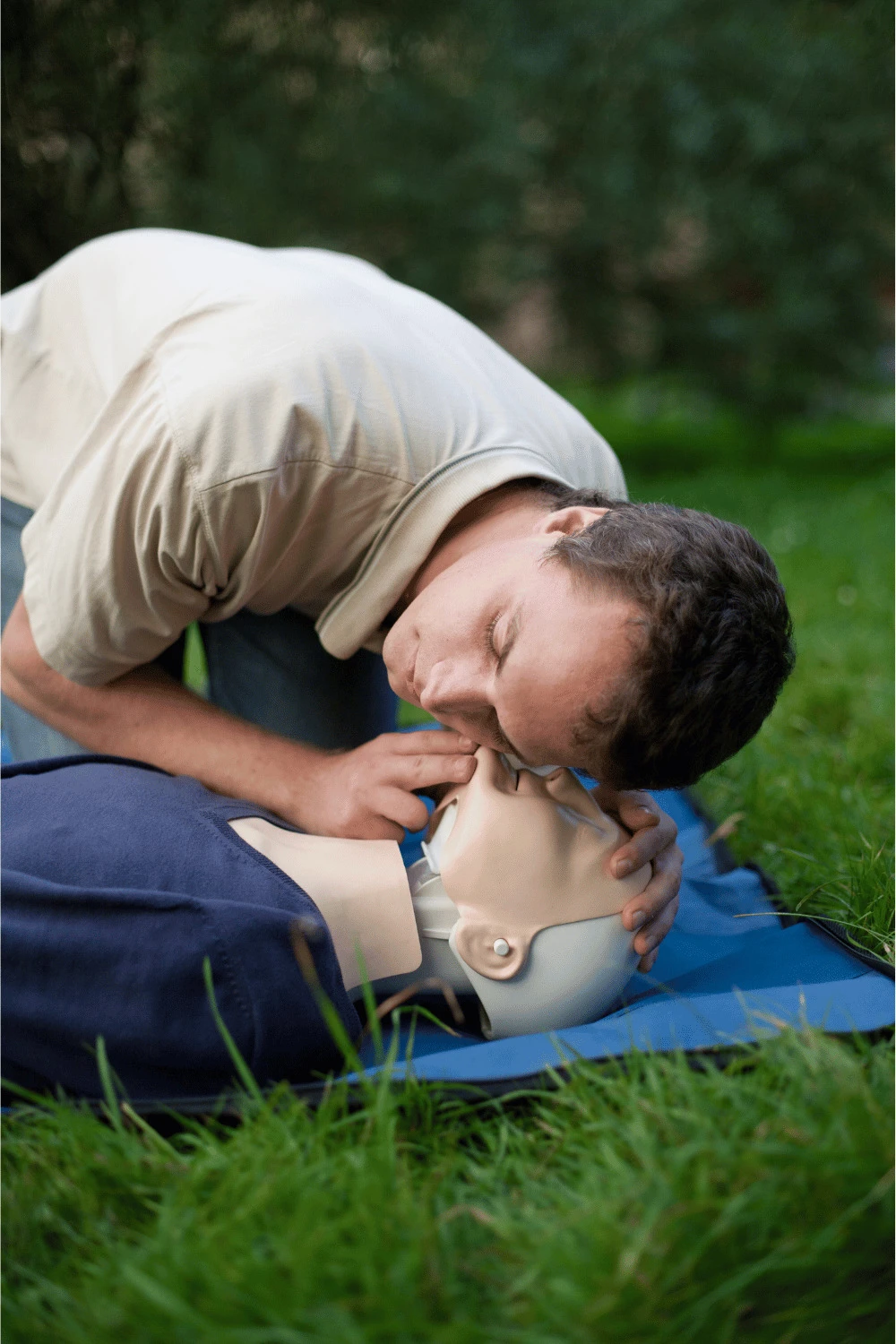
You probably already know that emergency medicine is one of the most competitive specialties for medical students, with plenty of medical knowledge required in order to provide proper life-saving care. But what else is needed? There are certain skills—some of which you can learn in a required ACLS class—that you will need to become an ER doctor. Here’s everything you need to know to excel as an emergency medicine physician.
Decision-Making Skills
Emergency medicine positions tend to be fast-paced, and every second matters. When a child comes into your hospital or clinic with respiratory distress, you need to be able to quickly evaluate the situation, make the right decisions, and take effective action to save the pediatric patient’s life. While many of these skills can be honed with a PALS course, you still need the confidence and knowledge to decide which resources, treatments, and tests can make the biggest impact based on their situation.
Ability to Problem-Solve
Treating patients in an emergency setting is all about using both your skills and the available resources to determine the source of a patient’s ailment. This leads to being able to give the best possible treatment. But you need to have the foundational knowledge and problem-solving skills to get there. You need to be able to diagnose an illness by examining a patient and their symptoms. An ACLS course can help you learn how to diagnose cardiac arrest and respiratory problems, for example, but you also need to know that abdominal pain could be an ulcer, stomach flu, appendicitis, or a vitamin D deficiency. Figuring out the potential cause of their discomfort, from patient history and an initial assessment, is key.
Staying Calm and Composed
One of the best life lessons is to master how to remain calm. Given that ER doctors have to deal with a number of cases on any given day, this rings even truer. A single day on the job can easily be hectic, tense, and stressful. Remaining calm and focused will help you avoid mistakes and help you provide patients with the right treatment. You may need to also counsel family members, discussing the condition of their loved one. Remaining calm can help them feel more at ease, even when you need to deliver bad news. Stay calm and composed, assess the situation, and determine the proper course of action.
Work as a Team
No matter your position in emergency medicine, you will need to be able to work efficiently as part of a team. Collaboration is essential in an emergency department, and you will need to work well with the paramedics who bring patients in and other physicians to provide the highest level of care. While you can learn teamwork skills and strategies in classes, like during advanced life-saving certifications, you need to be able to put them into practice in real-world scenarios. Prioritize intentional listening and communicating effectively with others.
About Cascade Training Solutions
Cascade Training Solutions saves lives with world-class training. They’re an authorized provider of a wide range of healthcare and workplace safety curricula, teaching more than 100,000 students every year. Cascade Training Solutions has provided healthcare organizations, individuals, corporate entities, and public safety agencies with safety, resuscitation, and compliance training since 2002. From advanced life-saving techniques to basic workplace safety, they offer more than 25 nationally validated certification courses at seven training. That means Cascade Training Solutions is poised to help you perform your job better and even advance your healthcare career. Whether you are an individual in need of a specific certification or a multi-state organization looking for a complete education and compliance program, Cascade Training Solutions offers the cost-effective and patient care-focused solutions you need.
Take an ACLS or PALS course and get closer to being an emergency physician at https://www.cascadetraining.com/
Original Source: https://bit.ly/3QXSbuq











Sign in to leave a comment.