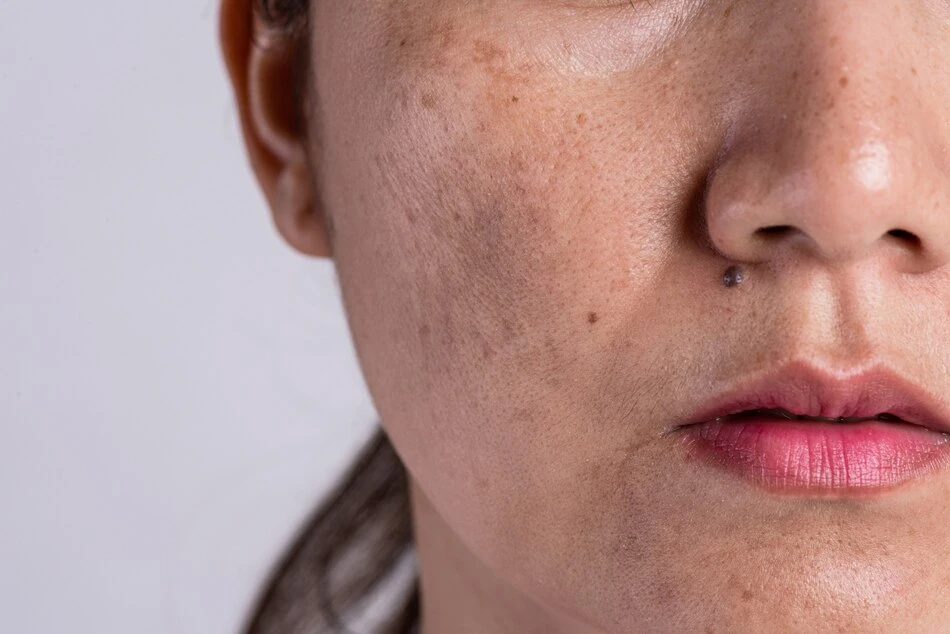

Many people aspire to have perfect, beautiful skin, but pigmentation can sometimes make it difficult to achieve that desired tone. Facial pigmentation is a prevalent issue that impacts individuals of various age groups and skin types. For successful therapy and prevention, it is essential to comprehend the underlying causes of pigmentation. Get the best skin pigmentation treatment in Coimbatore , if you face any skin issues. We'll look at five typical causes of face pigmentation in this blog post along with solutions.
1.Sun Exposure:
Excessive sun exposure is one of the main causes of face pigmentation. Melanin, the pigment that gives skin its colour, can be produced more readily when exposed to ultraviolet (UV) rays from the sun. Uneven pigmentation, black patches, and freckles caused by the sun can result from prolonged exposure to the sun without the appropriate protection. It is crucial to use a broad-spectrum sunscreen with an SPF of at least 30 and to reapply it every two hours when exposed to sunshine in order to prevent sun-induced pigmentation.
2. Hormonal Changes:
An excess of melanin can be produced due to hormonal fluctuations, particularly during pregnancy or while taking birth control pills. This can lead to melasma or chloasma. Dark patches on the face, especially on the forehead, cheeks, and upper lip, are a common symptom of many illnesses. Seeking advice from a dermatologist for customised skincare regimens and steering clear of excessive sun exposure are essential for managing hormonal pigmentation.
3. Post-Inflammatory Hyperpigmentation (PIH):
Psoriasis, eczema, and acne are examples of inflammatory skin disorders that can cause PIT. Excessive melanin production can result from damage or inflammation to the skin, leaving behind dark areas or blotches. It's critical to promptly treat and manage inflammatory skin problems in order to prevent PIH. Additionally, pigmentation risk can be reduced by not plucking or squeezing acne blemishes.
4. Age-related Factors:
As we age, our skin experiences a number of changes, such as a reduction in the creation of collagen and a slower rate of cell turnover. An increased vulnerability to pigmentation problems, such as liver or age spots, is a result of these conditions. The best ways to reduce age-related pigmentation on the skin are to protect it from the sun, use antioxidants and exfoliants in your skincare regimen, and drink plenty of water.
5.Genetics:
The pigmentation of the face can also be significantly influenced by genetic predisposition. Uneven skin tone might result from certain people inheriting a predisposition to develop birthmarks, moles, or freckles. Although genetics cannot be changed, inherited pigmentation disorders can be managed and their effects reduced by following a strict skincare regimen and using sun protection measures.
Conclusion:
The issue of facial pigmentation is complex and has a number of underlying reasons. People can make more informed decisions about their skincare regimens and lifestyle choices if they are aware of these prevalent causes. A holistic approach is essential to developing and maintaining a beautiful, even skin tone, whether it is through sun protection, hormonal balance, treating inflammatory diseases, fending against age-related factors, or navigating inherited predispositions. Speaking with a pigmentation dermatologist in Coimbatore can guarantee a route towards healthier and more vibrant skin by offering individualized advice and treatment solutions catered to each person's needs.









Sign in to leave a comment.